In the 2024 U.S. presidential election, Donald Trump’s return to the White House was not only due to the support of his grassroots fan base and the Republican establishment but also because of the involvement and strong backing of billionaire Elon Musk. This business magnate, who dominates multiple industries such as aerospace, the internet, and automotive technology—and is also the world’s richest man—leveraged vast resources and platforms to rally support for Trump, helping him defeat Kamala Harris, who had once led in the polls, and reclaim the presidency.
Recently, Musk has fiercely criticized the ruling Labour government in the U.K., expressing dissatisfaction with its immigration policies and stance on crimes involving Muslim offenders, while encouraging white right-wing populists to oppose the government. Earlier, he also made controversial remarks on German politics, the Russia-Ukraine war, and other international issues, including supporting the far-right “Alternative for Germany” party, defending Putin’s invasion, and criticizing Ukraine. These actions indicate that Musk’s political interventions have extended beyond the United States, positioning him as a billionaire-politician who seeks to influence and even dominate global political trends. Notably, the Trump he supports is also a businessman and a U.S. billionaire.
Businesspeople and billionaires engaging in politics enjoy unique advantages. First, due to the nature of their wealth accumulation, they frequently interact with politicians, giving them a deeper understanding of political power, a higher participation frequency, and a greater ability to influence government affairs compared to ordinary citizens. Second, billionaires possess immense personal wealth, which can be converted into substantial political influence. Third, many billionaires achieve their status through exceptional business acumen and interpersonal skills, which provide a strong foundation for political engagement, making their transition into politics relatively seamless. Furthermore, beyond material wealth, many billionaires develop broader aspirations and idealistic goals, with politics serving as a crucial avenue for realizing those ambitions.
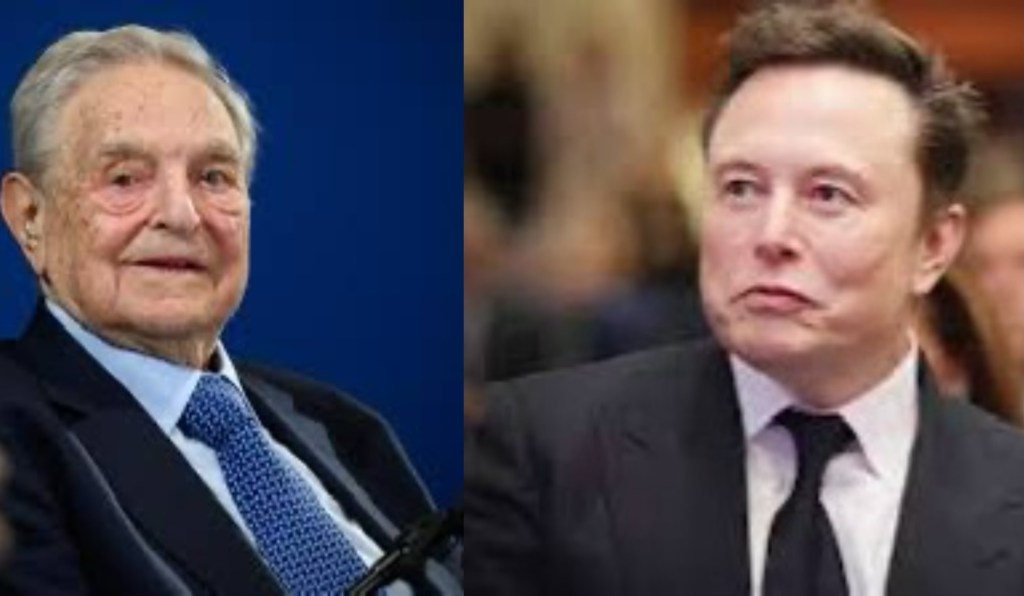
In the 20th century, numerous businesspeople and billionaires ventured into politics. Among them, the most politically and ideologically influential figure was George Soros.
Born in Hungary, educated in the U.K., and later immigrating to the U.S., Soros—a Jewish businessman who lived through Nazi rule, World War II, and the Cold War—developed a strong desire to engage in politics and change the world, likely due to his complex life experiences and multifaceted identity. After amassing vast wealth, Soros dedicated significant financial resources to supporting specific political groups in the U.S. and other countries.
In the U.S., Soros has been an outspoken supporter of the Democratic Party and progressive movements, playing a crucial role in Barack Obama’s presidential victories in 2008 and 2012, as well as backing Hillary Clinton in 2016. Internationally, he has actively supported opposition groups in authoritarian states, promoted liberal democracy, and championed the concept of an “open society.” In his birthplace, Budapest, he founded Central European University to train young leaders committed to freedom and progress. Additionally, Soros has strongly advocated for women’s rights, LGBTQ+ rights, environmental protection, and the rights of minorities and marginalized groups.
Soros’ activities have had significant impacts and achieved notable results, but they have also sparked major controversies. Right-wing figures in the U.S. and Europe criticize him as a manipulator of global politics and the mastermind behind the “deep state” that controls establishment politicians. Meanwhile, authoritarian regimes such as China and Russia accuse him of interfering in their domestic affairs.
Beyond Soros, other billionaires like Bill Gates and Warren Buffett have also actively engaged in public affairs, though their political involvement is relatively moderate and neutral.
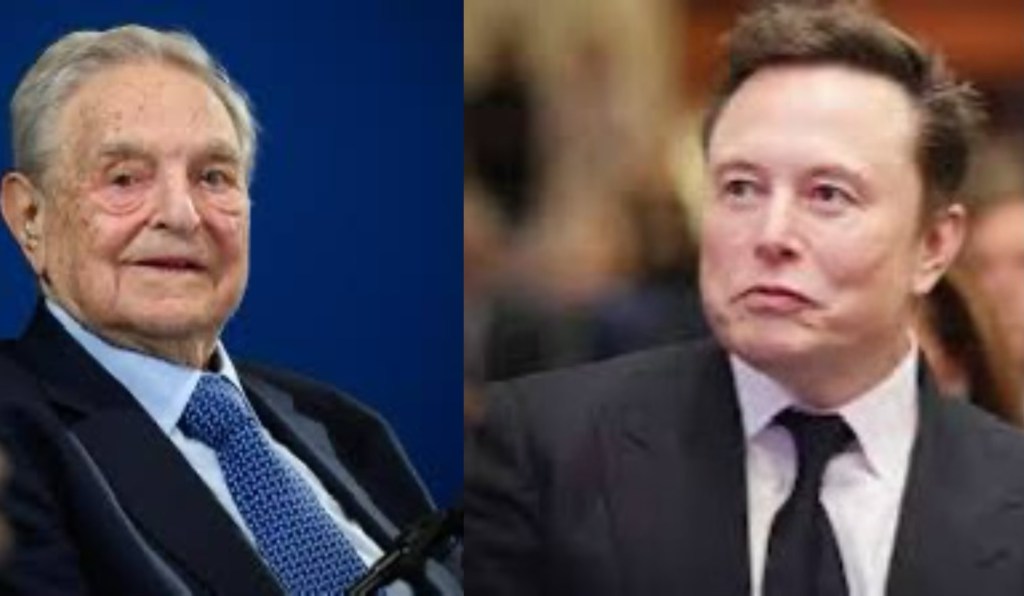
Today, Musk, like Soros, is both a businessman and a billionaire who is passionate about politics, but their values and political stances are starkly opposed. Musk is a vocal supporter of the Republican Party and the right wing, often exhibiting a strong populist streak while opposing the Democratic Party and progressive movements. Internationally, he leans toward supporting Putin’s Russia and other authoritarian regimes, while aligning himself with the rise of right-wing populism in Europe. Hungarian Prime Minister Viktor Orbán—who has a longstanding rivalry with Soros—maintains close ties with Musk, with the two even dining together at Trump’s Mar-a-Lago estate. Musk also endorses Western white identity politics and a “native-first” ideology. Although both Musk and Soros claim to champion and defend “freedom,” their definitions, criteria, and target groups for this concept are fundamentally different.
Compared to Soros’ idealism, Musk prioritizes efficiency and profit, displaying a strong tendency toward social Darwinism. One could even argue that Musk sees efficiency and social Darwinism as ideals in themselves, seeking to influence government policies and civil society to instill these values in the broader public.
Unlike Soros—who, despite his radicalism, generally adheres to legal procedures and exercises caution in his public statements—Musk is more individualistic, unrestrained, and unpredictable. His acquisition of Twitter, rebranding it as “X,” and transformation of its content policies, his high-risk experiments with SpaceX’s Starship, and his provocative political statements in both U.S. and global affairs all reflect this bold and unconventional approach. Some of these actions have been lauded for their innovation and adventurous spirit, while others have sparked concern and unease.
Regardless of their differences, both Soros and Musk have profoundly influenced American and international politics, even playing the role of “kingmakers” in determining the leader of the world’s most powerful country. Musk’s deep involvement in shaping Trump’s presidential transition—such as his influence on H-1B visa policies, key personnel appointments, and even clashes with Trump’s grassroots supporters—has intensified concerns over the entanglement of business and politics. Even within Trump’s own circle, voices have emerged questioning Musk’s interference in government affairs. Ironically, Musk and other right-wing populists in the U.S. have frequently criticized Soros for manipulating American politics as a businessman, yet Musk himself now faces the same accusations.
In major powers such as Russia and China, there have also been high-profile oligarchs and business magnates—such as Boris Berezovsky, Mikhail Khodorkovsky, Jack Ma, and Ren Zhiqiang—who actively engaged in politics. However, due to systemic constraints or shifts in political power, many were forced out of the political arena, with some even imprisoned. Their willingness to take enormous risks to participate in politics despite operating in highly restrictive environments highlights the powerful allure of politics for business elites. Similarly, countries like India, Japan, and Mexico have seen numerous business figures deeply embedded in politics, significantly shaping national policies.
The involvement of billionaires in politics presents both advantages and drawbacks. The extent of these benefits and risks depends on the political system, social environment, the power structures backing them, and their personal character and values. As citizens, billionaires have the right to participate in politics, but they must also be subject to legal and ethical constraints. Their wealth, though a product of personal effort, is also built upon broader societal development and collective labor. As Warren Buffett once stated, billionaires, having gained from society, must also give back to society.
Most importantly, billionaires and other influential figures must recognize that their immense power comes with greater responsibility. Their political involvement must be tempered with self-awareness and self-restraint, taking into account the complex and far-reaching consequences of their actions—particularly their impact on vulnerable groups, the stability of domestic and international affairs, and the balance of social justice. Reckless and self-serving political intervention not only harms the general public but ultimately backfires on the billionaires themselves.
최근 두 달 동안 윤석열 대통령의 미수에 그친 쿠데타 시도와 탄핵 사건을 둘러싸고 한국의 진보 진영(좌파)과 보수 진영(우파) 간에 치열한 공방전이 벌어졌다. 하지만 한국 정치에서의 격렬한 투쟁은 새로운 일이 아니라 오랜 전통이다. 1948년 대한민국 건국 이후 지금까지 13명의 대통령 중 대부분이 임기를 무사히 마치지 못했으며, 일부는 감옥에 갇히거나 암살당하기까지 했다. 이는 한국 정치의 잔혹성과 투쟁의 치열함을 단적으로 보여준다.
수십 년 동안 한국 정치는 기본적으로 좌파 진보 진영과 우파 보수 진영이라는 두 개의 큰 진영으로 나뉘어 왔다. 양측의 적대감은 오래되었으며, 서로에 대한 깊은 증오가 존재한다. 수십 년 동안 쌓여온 두 진영 간의 갈등과 첨예한 대립이 오늘날 한국 정치의 극단적인 양극화, 불안정한 정국, 그리고 상대 진영을 철저히 제거하려는 무자비한 시도의 역사적 근원이다.
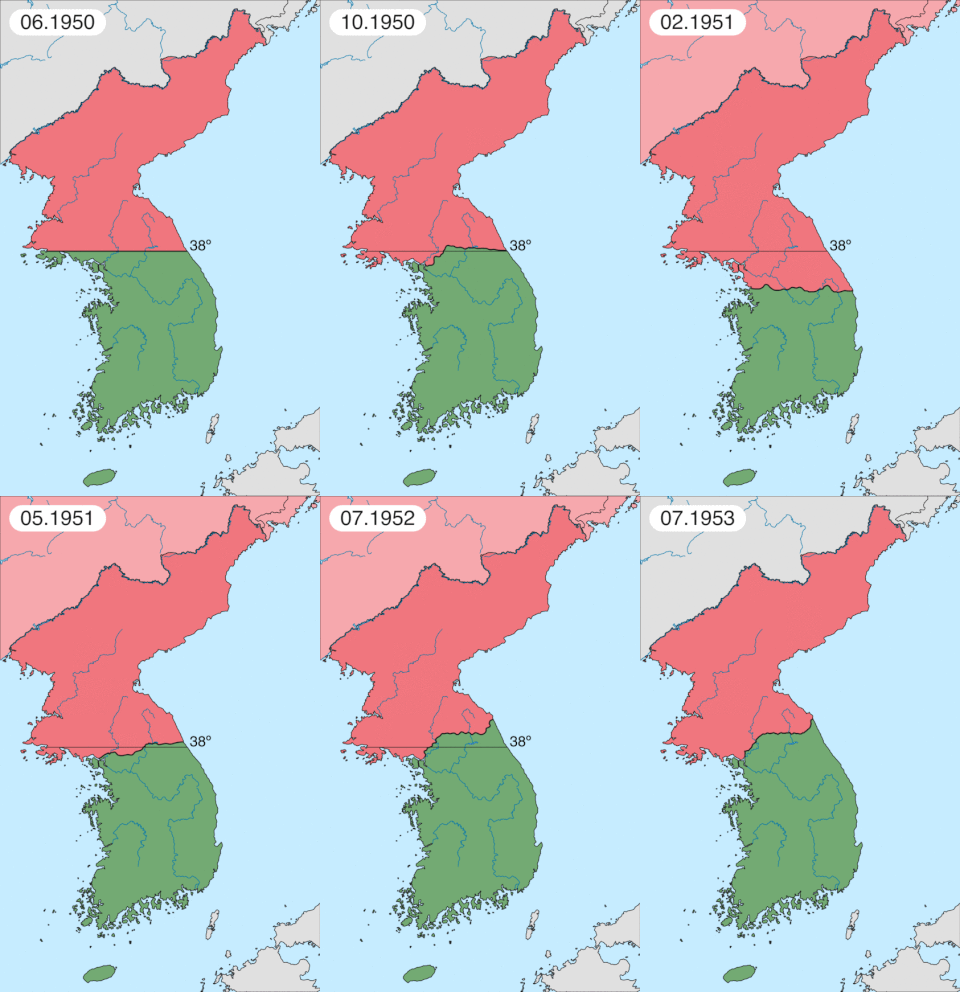
이러한 역사적 적대감은 제2차 세계대전 이후 한반도의 분단, 남한 내전, 그리고 권력 투쟁까지 거슬러 올라간다. 1945년 일본이 항복한 후, 미국과 소련은 38선을 경계로 한반도를 각각 점령하였다. 북쪽에서는 소련이 지원한 김일성과 좌파 세력이 강제적인 토지 개혁, 지주 및 자본가의 자산 몰수 등 극좌 정책을 추진하면서 우파 세력을 폭력적으로 숙청하였고, 이 과정에서 많은 사람이 죽거나 남한으로 피신했다. 남쪽에서는 미국이 지원한 이승만 정권이 좌파 세력을 철저히 배척하며 정치권에서 축출했을 뿐만 아니라 보도연맹 학살, 제주 4·3 사건과 같은 대규모 학살을 저질러 수많은 민간인이 목숨을 잃었다.
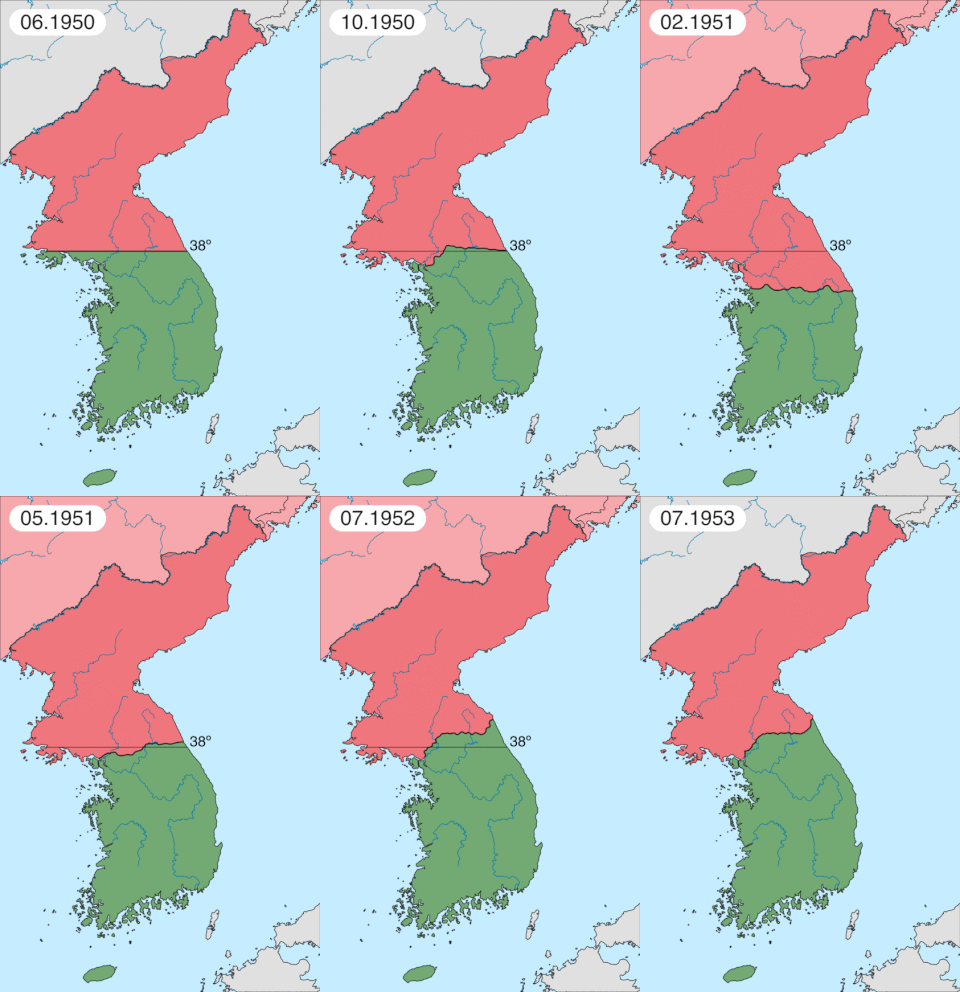
1950년 한국전쟁이 발발하면서 전선이 남북으로 여러 차례 오가며 좌파와 우파 모두 자신이 점령한 지역에서 상대 진영과 민간인을 대규모로 학살했다. 이로 인해 수백만 명이 목숨을 잃었으며, 양측의 증오는 더욱 깊어졌다. 한국 소설과 영화 태백산맥과 태극기 휘날리며 등은 이 비극을 강렬하게 묘사하고 있다. 전쟁 이후 북쪽에서는 김일성이 완전히 우파와 친남 세력, 심지어 노동당 내부의 반대 세력까지 숙청하여 북한은 야당과 반대 목소리가 없는 일당 독재 국가가 되었다.
반면 남한에서는 이승만 정부와 이후의 여러 우파 정권이 독재적 통치를 유지하는 한편, 상당한 규모의 야당 세력과 정치적 반대 세력(좌파, 중도파, 일부 우파 포함)도 존재했다. 우파 성향이 뚜렷한 집권 세력과 달리, 남한의 야당 세력은 상대적으로 좌파 성향이 강했으며, 많은 인사가 1945~1955년 동안 우파 정권의 잔혹한 탄압과 학살을 직접 경험하거나 피해자와 깊은 연관이 있었다. 따라서 그들은 자연스럽게 우파를 강하게 증오했으며, 일부는 공개적으로 또는 은밀하게 북한에 동조하는 성향을 보이기도 했다.
1989년 한국의 학생운동 지도자 임수경이 한국 법률의 제한을 무릅쓰고 북한을 방문한 후 귀국하여 수감되었음에도 후회하지 않았던 사례가 이러한 이념적 갈등을 보여주는 대표적인 예이다.
이승만에서 박정희, 전두환에 이르기까지 한국의 집권 우파 세력은 오랫동안 ‘반공’을 명분으로 독재를 유지하면서 좌파 및 중도파 야당 민주 세력을 탄압했다. 이 과정에서 감금, 고문, 처형 등의 수단을 사용하며 강압적으로 억압했다. 예를 들어, 김대중은 여러 차례 사형을 선고받았다. 이러한 탄압은 좌파 민주 인사(지식인, 청년 학생, 노동자 포함)의 우파 정권에 대한 강한 증오심을 더욱 깊이 각인시켰으며, 이는 현재까지 이어지고 있다.
1980년 광주 민주화 운동과 그에 대한 유혈 진압은 군부 독재 정권이 좌파 성향의 학생과 시민들을 탄압한 대표적인 사건이며, 한국 독재 정권 시대 정치 탄압의 상징적인 사례다.
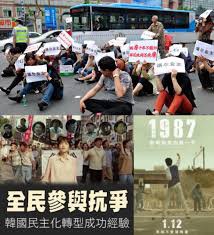
1987년 이후 한국은 점진적으로 민주화를 이루었으나, 역사적인 좌우 갈등과 적대감은 여전히 지속되었다. 양측은 단순한 정치적 대립을 넘어 깊은 원한과 완전히 상반된 가치관 및 정치적 성향을 가지고 있다.
한국의 우파 보수 진영은 군대, 경찰, 엘리트, 재벌과 보수적인 농민 계층의 지지를 받으며, 저세율, 저복지, 효율 우선, 가족 가치, 경쟁적 개인 자유를 중시한다. 외교적으로는 친미·친일 성향이 강하며, 북한을 강력히 반대하고, 중국에 대해서는 경제적 협력은 하되 정치·군사적으로 경계하는 입장을 취한다. 또한 사회주의 및 공산주의 이념을 강하게 배척하고 혐오한다.
한국의 좌파 진보 진영은 노동자의 권리, 여성 인권, 사회적 평등을 강조하며, 학생, 노동자, 여성, 지식인의 지지를 받는다. 고세율, 고복지, 평등 우선, 사회적 약자 보호를 주장하며, 외교적으로는 일본 우익과 군국주의 잔재를 강하게 비판하고, 미국과 우호적 관계를 유지하되 보수 진영만큼 밀착하지 않으며, 중국과 친밀한 관계를 맺고, 북한과의 화해를 지향하는 경향이 있다. 또한 사회주의 및 기타 좌파 이념에 대해 비교적 존중하거나 긍정적인 태도를 보인다.
이처럼 정치적 이념의 극명한 차이와 역사적인 원한이 민주화 이후에도 한국 정치의 극단적인 양극화와 격렬한 투쟁을 초래했다. 오늘날 한국의 정치적 갈등은 과거 한국전쟁 시기나 독재 정권 시대처럼 유혈 사태로 번지지는 않지만, 민주화로 인해 정치적 표현이 더 자유로워지고, 정치 참여가 더욱 확대되면서 좌우 진영 간 갈등이 더욱 빈번하고 다양한 방식으로 표출되고 있다.
물리적인 전쟁은 사라졌지만, 양측은 언론전, 사법전, 선거전, 인사 임명, 파업, 시위, 탄핵 등 다양한 방법으로 치열한 대결을 벌이며, 보이지 않는 전선을 형성하고 있다. 노무현의 수사와 사망, 박근혜·이명박·조국 등의 수감, 김대중·김영삼 가족의 부패 사건 등은 실제 범죄와 연관이 있지만, 동시에 정치적 투쟁과 상대 진영의 공격과도 밀접한 관련이 있다.
최근 윤석열 대통령이 군사 쿠데타를 통해 야당을 탄압하려 했다는 의혹과, 이에 맞서 이재명 등 야당 지도자들이 집회를 열고 윤 대통령의 탄핵 및 체포를 추진하는 상황, 그리고 보수파와 진보파 지지자들이 대규모로 거리 시위를 벌이고 있는 현상 역시 한국 좌우 진영의 역사적 갈등이 계속되고 있음을 보여준다.
한국 정치의 오랜 악순환이 지속되는 것은 국가 안정과 건강한 정치 발전에 도움이 되지 않는다. 오늘날 국제 정세가 점점 불안정해지고 있는 상황에서, 한국 내부의 인구 감소, 빈부 격차 확대, 젠더 및 계층 갈등, 국민 불안 증가 등의 문제를 해결하기 위해서라도 정치적 악습이 지속되어서는 안 된다.
한국의 좌우 양대 진영과 중도파 인사들, 그리고 한국의 미래를 걱정하는 전 세계의 사람들은 한국 내 다양한 진영 간의 관계를 완화하고, 정치적 투쟁과 국력 소모를 점차 줄일 수 있는 방안을 모색해야 한다. 이를 통해 오랜 고난을 겪어온 한반도의 남북한 동포들과 눈부신 발전을 이루어낸 한국 국민들이 안정되고 번영하는 조화로운 사회에서 살아갈 수 있어야 한다.
In the past two months, a fierce political battle has unfolded between South Korea’s progressive (left-wing) and conservative (right-wing) factions over President Yoon Suk-yeol’s alleged attempted coup and subsequent impeachment. However, political strife in South Korea is nothing new—it is a long-standing tradition. Of the 13 presidents since South Korea’s founding in 1948, most have not ended their terms peacefully, with some even being imprisoned or assassinated. This alone reflects the brutality and intensity of political struggles in the country.
For decades, South Korean politics has been dominated by two major factions: the left-wing progressives and the right-wing conservatives. Their deep-seated animosity and mutual hatred have persisted for generations. The long-standing hostilities and sharply opposing positions of these two camps are the historical roots of today’s extreme political polarization, political instability, and ruthless attempts to eliminate the opposing side.
These historical grievances can be traced back to the post-World War II division of the Korean Peninsula and the subsequent civil war and power struggles in the South. After Japan’s surrender in 1945, the United States and the Soviet Union divided the Korean Peninsula along the 38th parallel, with each side establishing its own administration. In the North, the Soviet-backed Kim Il-sung and his leftist forces implemented radical policies such as forced land reform and the confiscation of assets from landlords and capitalists. They also carried out violent purges against right-wing forces, resulting in many deaths and forcing others to flee to the South; in the South, the U.S.-backed Syngman Rhee regime aggressively suppressed leftist forces, not only excluding them from politics but also resorting to mass killings, as seen in the Bodo League Massacre and the Jeju 4.3 Incident, where large numbers of civilians were killed.
When the Korean War broke out in 1950, the battle lines shifted multiple times between the North and South. Both left-wing and right-wing forces engaged in mass killings of their political enemies and civilians in their respective occupied territories, leading to millions of deaths and deepening mutual hatred. South Korean literature and films such as Taebaek Mountain Range and Tae Guk Gi: The Brotherhood of War have powerfully depicted these events. After the war, the North, under Kim Il-sung, completely purged right-wing, pro-South elements and even internal opposition within the Workers’ Party, turning North Korea into a one-party, one-man dictatorship without any opposition voices.
Meanwhile, in South Korea, despite the authoritarian rule of Syngman Rhee and subsequent right-wing governments, a considerable opposition force, including leftists, centrists, and even right-wing opponents of the ruling regime, still existed. Compared to the staunchly right-wing ruling powers, the opposition in South Korea leaned more toward the left. Many opposition figures had deep connections to those persecuted by right-wing governments between 1945 and 1955. Naturally, they harbored strong resentment against the right-wing and, to some extent, held pro-North Korea sentiments.
For example, in 1989, South Korean student leader Im Soo-kyung defied South Korean law to visit North Korea. Upon her return, she was sentenced to prison but showed no regret, reflecting the ideological divide.
From Syngman Rhee to Park Chung-hee and Chun Doo-hwan, South Korea’s ruling right-wing forces long maintained authoritarian control under the banner of “anti-communism.” They brutally suppressed left-wing and centrist democratic opposition, using imprisonment, torture, and executions as political tools. Figures such as Kim Dae-jung were repeatedly imprisoned and sentenced to death. This repression only fueled the opposition’s hatred of the ruling right-wing forces, a sentiment that persists today.
The 1980 Gwangju Democratization Movement and its brutal suppression exemplified the military regime’s violence against left-leaning students and civilians. This event became a symbol of South Korea’s authoritarian repression and left a lasting impact on the nation’s political consciousness.
After democratization in 1987, South Korea transitioned to a more open political system. However, the historical resentment and ideological conflicts between the left and right remained. Not only do the two sides have deep-seated blood feuds, but they also hold fundamentally opposing values and political ideologies.
South Korea’s right-wing conservatives represent the military, elites, and business conglomerates (chaebols) and also enjoy support from conservative rural communities. They advocate low taxes, low welfare, efficiency-first policies, family values, and a competitive individualism. In foreign affairs, they are pro-Japan, pro-U.S., strongly anti-North Korea, and view China with economic cooperation but political and military caution. They strongly reject socialist and communist ideologies.
South Korea’s left-wing progressives focus on workers’ rights, feminism, and social equality, receiving support from students, laborers, women, and intellectuals. They advocate higher taxes, greater welfare, and prioritizing social equality and support for the disadvantaged. In foreign affairs, they harshly criticize Japan’s right-wing and militarist remnants, maintain friendly but cautious relations with the U.S., support closer ties with China, and seek reconciliation with North Korea. They also tend to respect or sympathize with socialist ideologies.
The stark ideological divide and historical animosities have led to extreme political polarization and fierce struggles in democratic South Korea. While political conflicts today are not as bloody as they were during the Korean War or the authoritarian era, modern democracy has provided more avenues for political expression and participation, making left-right confrontations more frequent and diverse in their methods.
Though physical violence has diminished, the battle has shifted to media wars, judicial battles, elections, personnel appointments, strikes, protests, and impeachment efforts. This has created an ongoing cycle of political infighting. Cases such as Roh Moo-hyun’s investigation and death, the imprisonment of Park Geun-hye, Lee Myung-bak, and Cho Kuk, and the corruption scandals involving Kim Dae-jung and Kim Young-sam’s families all involve actual crimes but are also deeply intertwined with political struggles and attacks from opposing factions.
Now, President Yoon Suk-yeol’s alleged attempt to suppress the left-wing opposition through a military coup, the left-wing’s efforts to impeach and arrest him, and the mass protests by both conservative and progressive supporters all reflect the continuation of this historical struggle.
For international observers shocked by the brutality of South Korean politics, understanding the historical context of the Korean Peninsula’s division and the deep-seated left-right animosities since 1945 helps explain the current situation. This also fosters greater understanding—particularly sympathy for the left-wing faction, which has endured severe repression throughout history.
Additionally, flaws in South Korea’s political system—such as excessive presidential powers, a winner-takes-all electoral system, an overly powerful prosecution, and military-intelligence interference in politics—have all contributed to recurring political crises.
While South Korea’s political battles are partly a reflection of democratic engagement, their ongoing intensity is ultimately detrimental to the country’s stability. Given today’s global uncertainties, South Korea also faces domestic crises such as population decline, widening wealth gaps, gender and class conflicts, and rising public anxiety. Under these circumstances, allowing political infighting to persist is unsustainable.
South Korea’s left-wing and right-wing factions, centrists, and international stakeholders should seek ways to reduce political hostility, curb destructive infighting, and promote national unity. Only then can the Korean people—who have endured immense suffering but achieved remarkable success—live in a stable and prosperous society.
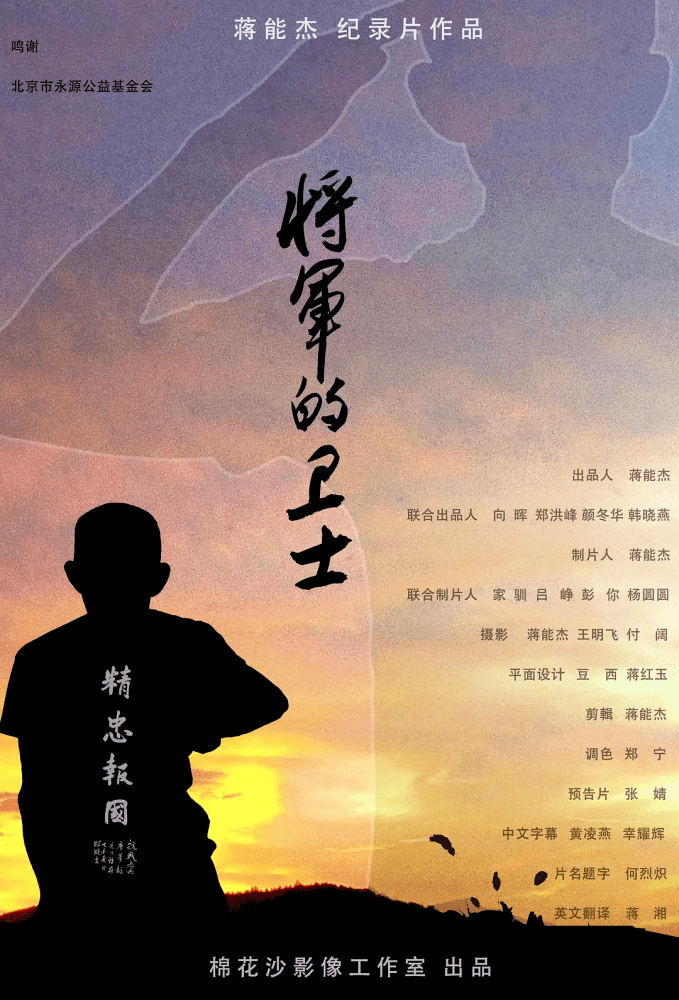
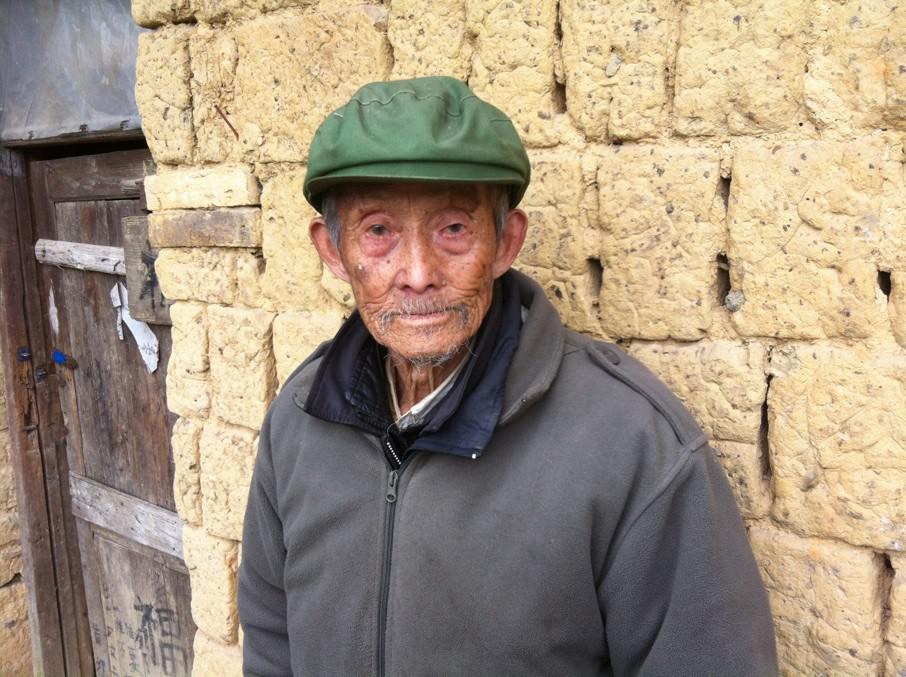
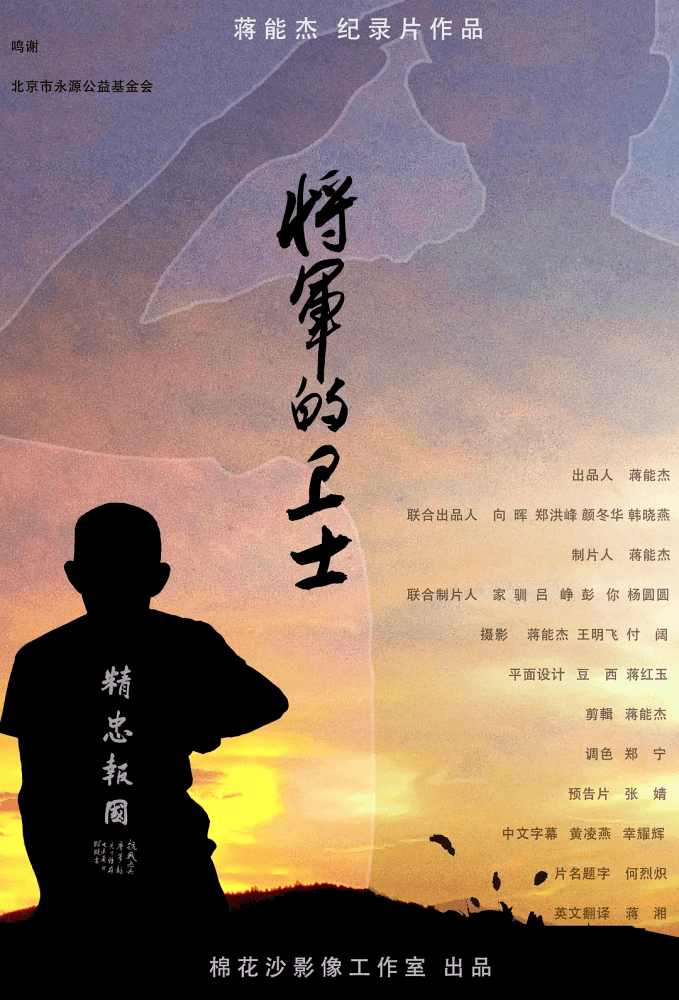
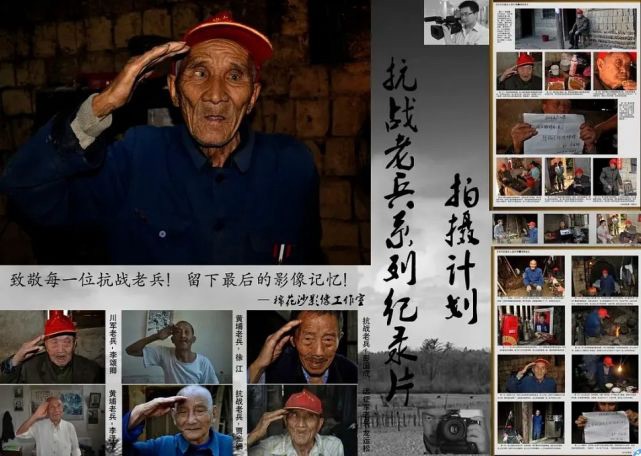
Recently, I watched the documentary The General’s Guard, which depicts the post-war experiences and later-life struggles of Tang Menglong, a Nationalist hero of the War of Resistance Against Japan (1937-1945). After watching this film, I felt compelled to share some thoughts on the history and realities it reflects.
The documentary’s protagonist, Tang Menglong, once served as the bodyguard of Nationalist General Song Xilian. In 1937, after the Marco Polo Bridge Incident, Tang joined the Nationalist army to resist the Japanese invasion and defend his homeland. Alongside General Song and other comrades, Tang endured the brutal war from 1937 to 1945, even sustaining injuries in the line of duty. Through their sacrifice of blood and flesh, they safeguarded the nation and its people. After the war, Tang accompanied Song Xilian to Xinjiang. Like the millions of Nationalist soldiers, Tang Menglong was a celebrated hero of the victorious Allied forces, earning respect from the Chinese people and the global anti-fascist community. A bright future seemed to await him.
However, the outbreak of the Chinese Civil War shattered those expectations. Within just four years, the Chinese Communist forces defeated the Nationalists, and Song Xilian was captured in southwestern China. As for Tang Menglong, who had been demobilized and returned to his hometown, he, along with his wife and children, endured decades of political persecution under the Communist regime, especially during the harrowing years of the Cultural Revolution. This grim reality was something unimaginable even for Nationalist soldiers who had either surrendered or retired to civilian life.
The “New China” that emerged under Communist rule refused to acknowledge these anti-Japanese heroes. On the contrary, Nationalist soldiers—members of the “National Revolutionary Army,” also called the “Kuomintang Army” depending on one’s political perspective—were vilified as part of the “reactionary Kuomintang.” Regardless of their wartime contributions, they were deemed enemies. During Mao Zedong’s era, the prevailing narrative focused on class struggle and opposing Nationalist rule; contributions to the anti-Japanese war were downplayed or dismissed entirely. (During this period, the regime didn’t commemorate the War of Resistance or events like the Nanjing Massacre and even supported Japan’s anti-American stance.) Simply being affiliated with the Nationalist government or military was considered an unforgivable crime—even though Mao himself had once held a senior position in the Kuomintang during the First United Front.
During the “Campaign to Suppress Counterrevolutionaries” in the early 1950s, many heroes of the Xinhai Revolution and the War of Resistance were executed by the Communist regime. Others were sent to impoverished and remote regions for “labor reform.” In the Anti-Rightist Movement, numerous intellectuals who had participated in the resistance were denounced and exiled. During the Great Famine, many Nationalist soldiers and intellectuals who had survived the horrors of the Japanese invasion perished from starvation in labor camps. Later, during the “Four Cleanups Movement,” even Communist members with past Nationalist affiliations were scrutinized and persecuted. These political campaigns and disasters destroyed the lives, careers, and even the very existence of countless heroes of the resistance.
Tang Menglong was one of the few who narrowly escaped death during these tumultuous times. But an even greater ordeal awaited him during the Cultural Revolution, which the Communist Party itself has since acknowledged as a “catastrophe.” During this decade of chaos, Tang and his family were repeatedly humiliated and beaten by Red Guards. Their neighbors, who had joined the Red Guards, not only harassed and oppressed him but even attempted to kill him. Tang survived by fleeing to the mountains, where he hid while his family secretly brought him food. Even in their later years, Tang and his wife remained haunted by these experiences, still fearful of their former Red Guard neighbors.
Tang Menglong’s wife was a Communist Party member, a textbook example of a “progressive youth” during her early years. She had once disregarded her family’s interests to provide food and money to the struggling Communist forces. However, even her sacrifices did not spare her from the Cultural Revolution’s fanatical Red Guards. She was persecuted to the point of lifelong disability and had to rely on a cane for the rest of her life. Her tragic fate mirrored that of many Communist officials, from high-ranking figures like Liu Shaoqi and Deng Xiaoping to countless grassroots Party members. The plight of Tang Menglong and his wife serves as a microcosm of what both former Nationalists and Communists endured during Mao’s era—a testimony to the survivors.
During Mao Zedong’s roughly 30-year rule, Nationalist soldiers who fought in the War of Resistance Against Japan lived through a hellish existence. Many had already died, and those who survived suffered relentless humiliation, as if, to borrow a phrase, they were “enslaved by the hands of others, slaughtered alongside cattle and horses.” Their dignity was stripped away, and their physical and mental suffering compounded by countless abuses. Many could no longer bear the torment and chose to end their own lives. Tang Menglong and his wife also contemplated suicide but ultimately decided to persevere for the sake of their children, unwilling to leave them uncared for.
Yet these wartime heroes should have been revered by the people they fought to protect. In a peaceful era, they could have continued to serve as vital pillars of national defense and reconstruction, enjoying generous compensation and social care. They might have been honored with medals, invited to schools and government ceremonies to recount their wartime stories, and basked in flowers and applause. If circumstances had been different, they could have lived their later years like Nationalist veterans in Taiwan or Allied forces such as U.S. and British soldiers, receiving substantial welfare and dedicated personal care.
However, history’s complex interplay of coincidence and inevitability, both domestically and internationally, altered the fate of the Chinese people and that of these Nationalist veterans. Instead of receiving recognition, they were plunged into a nightmare. Their dignity and honor were destroyed, along with their basic human rights and reputations. Their monumental contributions were erased, and they were burdened with stigmas like “reactionary Kuomintang,” “landlord/exploiter class,” or “zaoyangjun” (a pejorative term for the Nationalist Army during the Civil War and Mao era).
The experiences and stories of countless Nationalist soldiers—their heroic deeds and the profound emotions and reflections born of war—were enough to inspire a thousand Band of Brothers, The Old Gun, or Saving Private Ryan-like films. Yet these narratives have been irretrievably lost as these veterans were silenced by persecution, driven mad, incapacitated by age or illness, or passed away. Even precious wartime relics were destroyed or lost. For example, Tang Menglong’s certificates and badges honoring his wartime achievements were confiscated during raids or buried underground, only to rot away. Many invaluable artifacts of the resistance, comparable to the Sichuan Army’s “Death Flags” or the wooden carvings of Guangxi Student Army’s pledge to “one day raise the Blue Sky, White Sun flag atop Mount Fuji,” were permanently and irreversibly destroyed.
When Mao Zedong passed away and Hua Guofeng and Deng Xiaoping rose to power, surviving resistance veterans no longer faced brutal persecution for their Nationalist affiliations. However, their honor was not fully restored. Even when they were “rehabilitated,” this only meant an acknowledgment that their persecution was unjust; it did not mean full recognition of their status as anti-Japanese war heroes. Later policies, such as the One-Child Policy and other harmful reforms, continued to wreak havoc on the lives of resistance veterans and the Chinese people as a whole, though the scale of suffering was far less than during Mao’s era. Poverty also continued to plague these wartime heroes and their families.
Another critical factor suppressed the memory and commemoration of these veterans and the War of Resistance itself: the 1980s and 1990s were an era of “Sino-Japanese friendship.” At that time, Japan was an economic powerhouse with advanced technology and immense national strength. Its per capita GDP was over 30 times that of China, and its total GDP was more than five times greater. Due to poverty, China’s urgent need for foreign investment and technology, and its opposition to the Soviet Union (a factor behind Mao’s earlier pro-Japanese stance), the Chinese government pursued a conciliatory policy toward Japan. This “friendship” was achieved at the expense of tolerating Japanese right-wing efforts to deny or glorify its wartime aggression, including visits to the Yasukuni Shrine. When Hirohito, Japan’s primary World War II war criminal, died, China sent a high-level delegation to pay respects. Emperor Akihito even visited China in 1992 and was warmly welcomed.
In this context, both the War of Resistance Against Japan and the soldiers who fought in it were handled with restraint and subdued recognition by both the Chinese government and the general public. Faced with the flood of Japanese goods, culture, and people—ranging from tourists to high-ranking Japanese expatriates enjoying “privileged treatment” in China—veterans of the war, along with survivors of Japanese atrocities, felt deeply conflicted. It is reminiscent of a scene from the anti-Japanese film Encirclement, where Erxi, a villager who had fought the Japanese alongside his brother after losing his family, sits in a daze during his later years, watching a Japanese-made SUV drive past the same dilapidated village he has lived in for decades. Similarly, as recalled by Chinese-Canadian writer Tao Duanfang, a Nationalist veteran who had fought in the Battle of Shanghai in 1937 fainted in the 1980s upon seeing Japan’s national flag displayed at an exposition—overwhelmed by either rage or shock.
Although some efforts were made to commemorate the war, such as the production of films like The Battle of Taierzhuang, the degree of emphasis given to the conflict was far less than its monumental historical significance and impact warranted. It also did not reflect the immense suffering of the Chinese people during the war. As a result, the War of Resistance and its heroes faded into the background in the face of contemporary realities. Many veterans, by then elderly, passed away quietly and unacknowledged.
When comparing the postwar experiences of Japanese soldiers to those of Chinese veterans, the contrast is deeply sobering. After Japan’s defeat in 1945, its economy collapsed, and both soldiers and civilians lived in poverty for a time. Many soldiers who had committed atrocities faced the threat of accountability and trials. However, following the outbreak of the Korean War in 1950, the geopolitical calculus of China (both the Communist and Nationalist sides), the U.S., and the Soviet Union shifted to prioritize Japan’s alliance over justice for its war crimes. As a result, the U.S. provided extensive support to Japan, allowing its economy to recover rapidly without fully eradicating the remnants of militarism. By the 1960s, many former Japanese soldiers who had participated in the invasion of China—including those responsible for arson, murder, and sexual violence—were already receiving “consolation payments” from the Japanese government.
By the 1970s and beyond, most surviving Japanese veterans enjoyed substantial pensions and an enviable standard of living. Many Japanese citizens regarded them as national heroes who had safeguarded Japan and restored its postwar dignity. This reverence was epitomized in 1974 when Hiroo Onoda, a Japanese soldier who had waged guerrilla warfare in the Philippines for decades and only surrendered that year, was welcomed home by throngs of flag-waving Japanese citizens. Meanwhile, most members of the Imperial Japanese Army who had invaded China spent their later years in relative affluence, with access to quality care during illness and old age, and often lived long, comfortable lives.
In stark contrast, the fate of China’s righteous and heroic soldiers is all the more infuriating and heartbreaking. The stark disparity raises profound questions about who the true victors and losers of the war were—China or Japan.
World War II is widely recognized as a decisive event that reshaped humanity’s destiny, determining whether the world would move toward independence, freedom, peace, and prosperity, or remain under fascist tyranny, racial oppression, and the destruction of human dignity. Fortunately, with the courageous efforts of the international anti-fascist coalition, including China’s soldiers, justice triumphed over evil. Yet, Chinese veterans of the War of Resistance—who were instrumental in ushering humanity into an era of unprecedented civilization, peace, and prosperity—did not enjoy the fruits of their victory. Instead, they endured conditions more brutal than wartime, in an environment more impoverished and backward than the one they fought to protect, suffering relentless hardship and humiliation.
It was not until the last few years of the 20th century and the early 21st century, under the leadership of Jiang Zemin and Hu Jintao, that China gradually began to mention the War of Resistance Against Japan, and the veterans of the war received some attention and care. However, by this time, most of the veterans had already passed away, and only a few remained. By the period from 2010 to 2015, when the War of Resistance began to receive broader recognition and was elevated to a noble status, very few veterans were still alive, and the vast majority had already passed on. The deceased veterans, like Tang Menglong, generally lived in poverty and humiliation, and did not live to see the day when they were officially recognized as national heroes and contributors to the nation. Many of them died by suicide under unjust circumstances. Even now, despite the more grandiose commemoration of the War of Resistance, it cannot compensate for the tragedies that have already occurred or the consequences that have been caused, leaving only everlasting regret.
This is the bitter consequence of the actions of the Chinese Communist Party during the Mao era. The achievements of eradicating the anti-Japanese Nationalist forces (during the Cultural Revolution, even the CCP’s own anti-Japanese efforts were erased, and anti-Japanese heroes like Peng Dehuai, who commanded the Hundred Regiments Offensive, and the survivors of the five warriors from Langya Mountain were not spared from persecution), and the brutal suppression of the Nationalist forces who fought in the War of Resistance, destroyed both people and memories at a time when the War of Resistance and its heroes should have been celebrated. This damage is irreparable.
Not only were veterans like Tang Menglong treated so tragically, but survivors of various massacres during the War of Resistance, comfort women, and forced laborers also suffered numerous injustices after the founding of the Communist government. Those who survived remained low-key. Their efforts to defend their rights and seek justice from Japan were suppressed by the Communist Party. By the time the Communist government began to support such rights movements, most of the victims had already passed away, and the survivors still did not receive adequate recognition or care. In contrast, victims of the atomic bombings in Hiroshima and Nagasaki received global attention, with various speeches and even a Nobel Peace Prize awarded to related organizations in 2024. This comparison highlights the bitter reality that, in this context, China appears to be the defeated country, while Japan is regarded as the victor. The greatest regret for the survivors of the War of Resistance is that the memories of most of them have been erased from history, with no preservation or transmission of their stories.
What has been destroyed is not just the grand collective memory of the nation, but also the lives and happiness of individual people. The experiences that Tang Menglong recalls in the documentary, where he was repeatedly persecuted during the Cultural Revolution, are real examples of how basic human dignity, body, and spirit were damaged. These persecutions had an indelible impact on his entire family, leaving visible and invisible scars on his children, who were still young at the time. The long-term poverty induced by the political environment and the family’s vulnerable position in their community continued to trouble Tang Menglong’s family even to this day.
During the War of Resistance, Tang Menglong was fearless in sacrificing himself, bravely fighting the enemy, and defending the country. But in the decades that followed, he was powerless even against malicious neighbors, unable to protect his family, enduring humiliation and having to quietly tolerate it. After enduring various humiliations, Tang Menglong transformed from a spirited general’s guard into a cautious, low-key elderly civilian. Yet when discussing the War of Resistance or singing Nationalist military songs, his heroic nature still shines through. Though he was reserved when talking about events after 1949, he still courageously shared many of his experiences, without numbness or loss of courage.
In his later years, Tang Menglong, along with his middle-aged son, finally gathered the courage to demand an explanation from the old Red Guard neighbors who had once tormented them, following the national commemoration of the War of Resistance and the social recognition of Tang Menglong. The defense given by the former Red Guards, like many others—those who had betrayed or harmed people during the Cultural Revolution—was to justify their actions by citing the unavoidable environment of that time. But any evil is carried out by specific people, many of whom were active participants. Even those who merely followed orders were guilty of what has been described as “the banality of evil.” They may have had their own justifications, but if we forgive them, where does that leave the victims? Without distinguishing right from wrong, social morality decays further, and in the confusion between good and evil, more harm can emerge.
The changes in Tang Menglong’s family circumstances were also shaped and determined by national policies and the broader environment. During the thirty years when Satan-like figures were in power, Tang Menglong’s family could only struggle in despair, with life and death in the hands of fate and unable to resist, like fish on the chopping block, at the mercy of others. During Deng Xiaoping’s era, although there was a glimmer of hope and the end of the “untouchable” status, they could only live quietly, too afraid to demand justice. It was only when a new era came that they received some recognition in terms of spirit and reputation. Every individual, under the pressure and manipulation of Leviathan and the shaping of the broader environment, had little autonomy. Various harms, tortures, and the terrifying shadow of fear made people hesitant to resist and claim their rights, even when they were safe. Tang Menglong did not actively fight for compensation and treatment during the 1980s’ “rectification of wrongs” because of his fear that the Mao-era terror might return. The fear of tyranny caused people to “voluntarily” give up their rights, which in itself is a crime of tyranny.
Although after 2013, Tang Menglong’s family finally gained some societal recognition and widespread respect, the mundane matters of life, such as food, medicine, and the inevitable passage of time, continued to trouble him and his family. Interviews and watching military parades brought temporary joy, but everyday life was marked by long-lasting desolation. Family conflicts and the sorrow of having no filial children by the bedside during long illnesses were also present in Tang Menglong’s family. Even great men and immortal achievements cannot offset the hardships of life.
The level of care that society shows to veterans like Tang Menglong is uncertain, partly genuine and partly a facade. Tang Menglong’s daughter’s experience of being rejected when seeking help from charity organizations reflects that the halo of being a war veteran does not bring much tangible help. In China, poverty is still widespread, society remains fragmented, and many public welfare organizations are ineffective. From the Communist Party’s high levels to grassroots organizations, how many really admire his achievements in fighting the Japanese, and how many are simply exploiting him?
Tang Menglong’s achievements were during the War of Resistance Against Japan, but the humiliation and suffering he endured occurred mainly in the decades after the war, in the post-war years. In other words, it was another war outside the war of resistance—a continuous tragedy of fratricidal conflict, a one-sided massacre of unarmed fellow citizens by those in control of the state’s machinery of violence. This is even harder to understand and accept than being tortured by the enemy or dying on the battlefield. In his later years, Tang Menglong refused to wear the medal given to him by the Communist Party/China’s Central Military Commission, which can be seen as his final form of resistance—rejecting and “not cooperating” to denounce the persecution and trauma of those decades that should not be forgotten.
In 2017, Tang Menglong completed his tortuous life and bade farewell to a world that had granted him high honors but also caused him immense suffering. His family continued to live in the mixed joys and sorrows of everyday life.
Tang Menglong was unfortunate—he endured the Japanese invasion of China in his youth and saw his homeland shattered; after 1949, he faced numerous calamities, being harmed by his own countrymen, and his later years were not particularly happy. However, Tang Menglong was also fortunate, for many more Chinese people and many more veterans of the War of Resistance were even more unfortunate, suffering greater persecution and injustice, dying earlier, and quietly aging without recognition. Tang Menglong lived to see the time when the government and society finally recognized him, and he was able to be interviewed and filmed, speaking out the words he once could not speak and could not make known, leaving the world with some images and memories.
Not only Tang Menglong, but in recent years, most of the veterans of the War of Resistance, survivors of the Nanjing Massacre, survivors of comfort women, and others have passed away, with only a few remaining. The echoes of an era, which should not have ended yet (because there are still many untold stories, unresolved issues, and justice yet to be achieved), have already irreversibly faded into permanent silence.
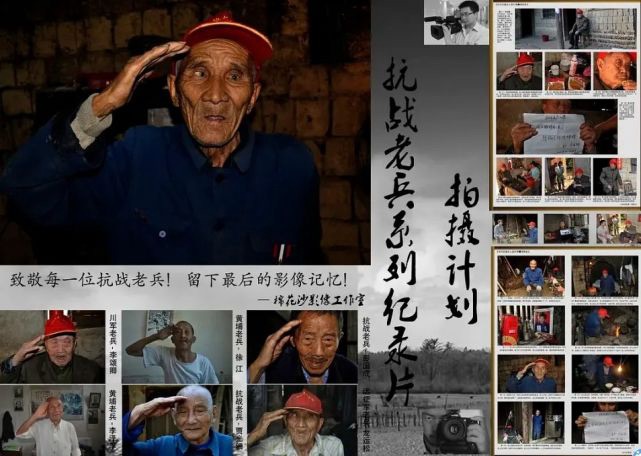
We thank those who care for the veterans of the War of Resistance, for capturing the last living witnesses of that tragic era in the fleeting passage of time, leaving behind images and sounds, allowing history to be remembered even after it has passed, and allowing the lives that have passed away to live on in another way.
“The death of one child in China has triggered such intense emotions in Japan. How do you think the people of Asia, who suffered under Japanese militarism, feel?
Put yourself in their shoes: Japanese courts still use the excuse of ‘state non-liability’ to dismiss the claims of Chinese and Korean victims’ families. How do you think those families feel?”
Recently, on the sensitive date of September 18, a “black swan” incident involving foreign nationals occurred in China: a 10-year-old Japanese boy was fatally stabbed on his way to school in Shenzhen by a 44-year-old Chinese man. Following the incident, public opinion in Japan surged, and some Japanese media interpreted the event as a reflection of anti-Japanese sentiment in China.
Indeed, there is a pervasive atmosphere of anti-Japanese sentiment among the Chinese public. This stems not only from historical grievances but also from Japan’s recent alignment with the U.S. Indo-Pacific strategy, forming alliances with countries like the U.S., India, and Australia, and aggressively promoting the “China threat” narrative. Japan has even declared that “a Taiwan contingency is a Japan contingency, and a Japan contingency is a U.S.-Japan alliance contingency.”
However, anti-Japanese sentiment does not equate to a loss of rationality among the Chinese public. In the past, the compassionate Chinese people repaid hostility with kindness, adopting numerous Japanese orphans after Japan’s defeat in World War II. Even now, they would not vent their anger on ordinary Japanese citizens, let alone innocent Japanese children. Just three months ago, in Suzhou, a Chinese woman, Hu Youping, sacrificed her own life to save a Japanese mother and child—something any reasonable person could recognize as an act of human decency.
In China, where various social contradictions, conflicts, and difficulties intertwine, public safety—particularly the safety of primary and secondary school students—has always been a critical issue requiring strict vigilance. Today, primary, secondary, and even university campuses are equipped with security personnel and guards. Even parents cannot freely enter school premises; they must first contact the school and obtain approval. Such measures were unheard of during my generation.
Despite these precautions, some incidents remain unavoidable. For example, two years ago in Mizhi County, Shaanxi Province, a man surnamed Zhao killed eight or nine elementary school students at the school gate. His motive? He was frustrated by his own failures in life and unleashed his malice on defenseless children. Thus, the tragic incident in Shenzhen on September 18, involving the murder of a Japanese child, appears to be an isolated criminal case with clear antisocial tendencies. What makes it noteworthy is its timing—occurring on September 18, a historically sensitive date, targeting a Japanese elementary school student, and coinciding with a highly delicate period in Sino-Japanese relations. Unlike the Suzhou incident involving Hu Youping, there was no act of heroism to counterbalance this tragedy.
This event is unrelated to China’s patriotic education or the establishment of National Humiliation Day. The principle of “remembering the past to guide the future” remains relevant, particularly as Japan has yet to deeply reflect on and sincerely apologize for its wartime atrocities against China and other Asian nations. Moreover, Japan continues to interfere in the Taiwan Strait and provoke China. Under such circumstances, China will not cease its patriotic education or commemoration of National Humiliation Day. Japan itself quietly regards August 15 (the date of its surrender in World War II) as its own “National Humiliation Day” and commemorates it annually. However, Japan’s perspective on this “humiliation” is historically distorted—China often views it as a dangerous signal of Japan’s attempts to abolish its pacifist constitution and revive militarism.
That said, the Chinese side has its own shortcomings to reflect upon after the incident. Perhaps out of concern for maintaining the overall stability of Sino-Japanese relations, the authorities downplayed the event and did not promptly address concerns raised by relevant parties. Furthermore, the measures to regulate and punish a small number of ignorant and shallow individuals exploiting “patriotic sentiment” for attention online have been insufficient. In many cases, even isolated incidents require heightened vigilance to prevent them from escalating into irrational populist sentiment. Recently, a deputy county governor on secondment in Sichuan reportedly made extreme comments online, such as, “Killing one child is no big deal,” and “It’s not indiscriminate killing—it was just a little Japanese kid.” Such remarks have sparked attention and condemnation in China’s public opinion space. Although this individual is under official investigation, the government must deeply reflect: how was someone so unqualified and cold-hearted selected for such a position? If this person were to climb higher in rank, where would they lead the country?
According to reports, Japan remains dissatisfied with the Chinese government’s response to the September 18 case. Japanese media have suggested that treating “this incident as a simple street murder would be a grave mistake.” While this interpretation is clearly irrational, it is not entirely incomprehensible. After all, the victim was one of their own citizens, and a child no less. But shouldn’t they also consider: if the death of one child in China can provoke such intense emotions in Japan, how did the peoples of Asia, who suffered immensely under Japanese militarism, feel back then?
Empathy matters. Japanese courts still dismiss claims from Chinese and Korean victims’ families, citing “state non-liability.” How do you think those families feel?
September 18 is a day of profound sorrow for all Chinese people, but China does not wish to turn this date—79 years later—into one of mourning for Japanese children and ordinary Japanese citizens. Nor does it want to make it a day of shared grief for both Chinese and Japanese people. In my opinion, this reflects the thoughts and feelings of all rational Chinese citizens.
(This article was published in Lianhe Zaobao. The author, Yang Jianye, is a professor at Xi’an University of Science and Technology.)
Original title: “Yang Jianye: The ‘Black Swan’ Incident on September 18 Requires Deep Reflection”

 王庆民政治评论