The British Prime Minister’s Visit to China and Europe–China Relations: Strategic Adjustment Amid Changing Global Conditions and Europe’s Constrained Choices

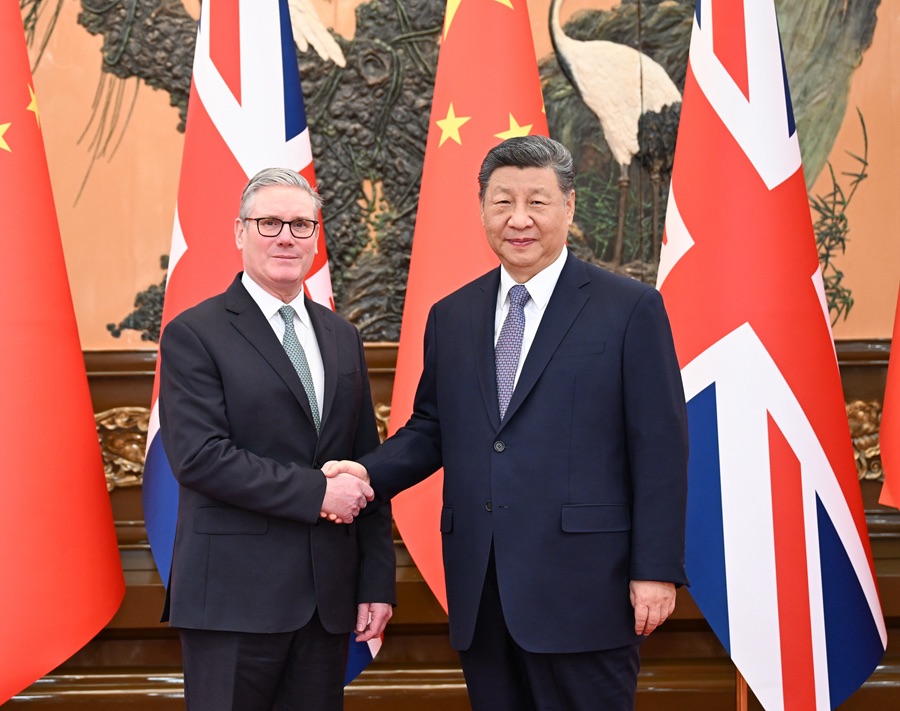
On January 28, 2026, British Prime Minister Keir Rodney  Starmer visited China. This was the first visit by a British prime minister to China since 2018, marking a major turning point in the long-cooled UK–China relationship. Just days earlier, on January 20, the British government finally gave conditional approval to the long-delayed plan for China to build a “super embassy” in the United Kingdom.
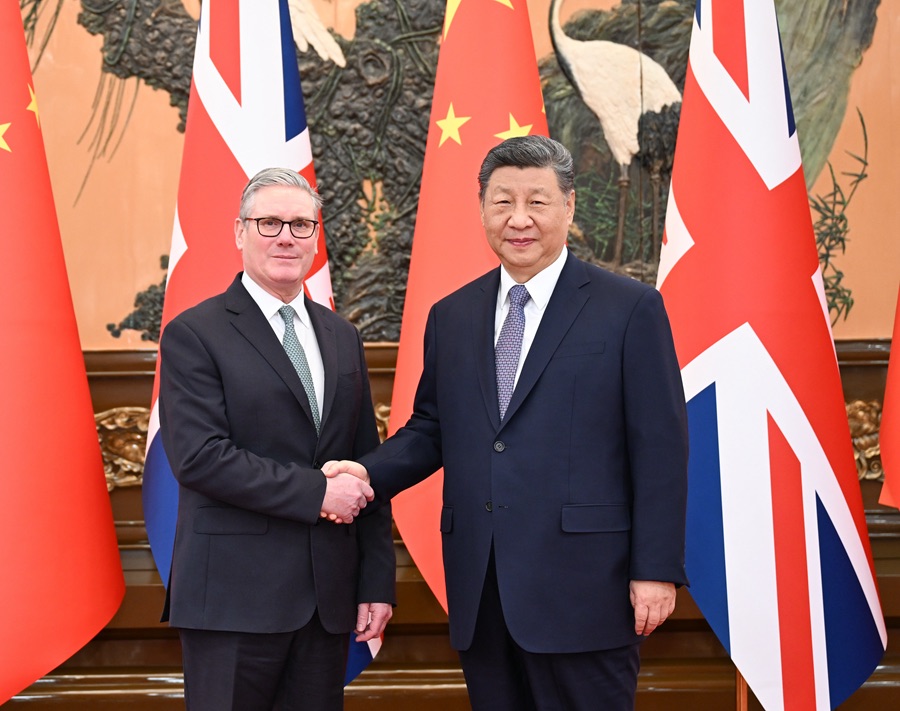
In December 2025, French President Emmanuel Macron visited China. On January 5 of this year, Irish Prime Minister Micheál Martin visited China. On January 25, Finnish Prime Minister Petteri Orpo visited China. In February, German Chancellor Friedrich Merz is also scheduled to visit China. The intensive visits by leaders of several major European countries reflect a gradual warming of Europe–China relations after years of chill.

Why did UK–China relations and Europe–China relations remain frozen for so long, why have they warmed recently, and where will they head in the future?

Historically, relations between the People’s Republic of China and European countries have gone through many ups and downs. The Cold War, the Korean War of 1950, and ideological confrontation once placed mainland China in long-term opposition to Western European powers such as the United Kingdom, France, and the Federal Republic of Germany. 

It was not until the 1970s, when both China and Western Europe fell out with the Soviet Union and had mutual political and economic needs, that Western European countries and China established diplomatic relations and normalized ties. At that time, China’s relations with the Eastern European socialist states were relatively friendly. However, when China and the Soviet Union fell out, some of the pro-Soviet countries also became estranged from China for a period.

For several decades after the reform and opening-up, China maintained close economic and trade exchanges and extensive cooperation in many non-political fields with most European countries, including the United Kingdom, France, and Germany. As China’s economy developed, the volume of bilateral trade between China and Europe continued to increase, and China’s importance to European countries steadily rose. However, due to differences in political systems, China and Europe—especially China and countries such as the UK, France, and Germany—have never been able to achieve deep mutual trust or a higher level of cooperation.

From the late 2010s to 2023, Europe–China relations deteriorated significantly, for a variety of reasons. Politically, China’s stalled political reforms, the intensification of authoritarianism, the detention of ethnic minorities in “re-education camps” in Xinjiang, the suppression of the Hong Kong anti-extradition movement, and other human rights issues led the European Union and European countries, which place great emphasis on human rights, to express strong dissatisfaction and impose sanctions. Public opinion and civil society attitudes toward China also worsened. China, in turn, adopted a number of countermeasures against the EU and countries such as the UK, France, and Germany.

The COVID-19 pandemic, which originated in China from 2020 to 2022 and spread globally, as well as China’s “zero-COVID policy,” also hindered cooperation and exchanges between China and Europe. Differences in pandemic response models and a series of negative effects of China’s “zero-COVID” policy intensified model competition and confrontation between China and the West. From political systems to social governance models, China came under greater scrutiny across European circles. Fewer people praised Chinese culture, government governance capacity, or the perceived superiority of the “China model,” while negative perceptions and criticism increased further, and the former “China fever” receded.

Economically, Europe and China moved from a long period of division of labor and cooperation—Europe providing technology, China providing labor, sharing upstream and downstream roles in the industrial chain, and benefiting mutually—to a situation in which, as China’s economic and technological strength rose, it began to comprehensively challenge Europe. The relationship shifted from being primarily complementary to becoming increasingly competitive. 

Moreover, China’s use of methods such as suppressing labor costs, providing state subsidies, and stealing commercial secrets to gain competitive advantages in less legitimate ways, along with allegations of dumping, also triggered European dissatisfaction and countermeasures, leading to constant trade frictions between China and Europe.

In geopolitics and international relations, the EU and countries such as the UK, France, and Germany formed a “values alliance” based on the foreign policy of liberal democratic “values” together with the United States, Canada, Australia, Japan, South Korea, and others, seeking to contain China. After the outbreak of the Russia–Ukraine war, China tilted toward Russia, which the EU perceived as an even greater threat, prompting responses toward both China and Russia and further intensifying the confrontation between China and Europe based on geopolitics and ideology.

Among the major European powers, the United Kingdom has been the most distant from China and has traditionally had relatively poorer relations with it. British foreign policy has long closely followed the United States, China’s largest competitor, and, due to the natural exclusionary tendencies of an island nation toward continental powers as well as conservative anti-communist ideology, UK–China relations have long been characterized as “hot economically, cold politically.”

Following the 2019 Hong Kong anti-extradition movement and the subsequent crackdown, large numbers of Hong Kong residents fled to the United Kingdom. As the former colonial ruler of Hong Kong and the party that transferred Hong Kong’s sovereignty under the Sino-British Joint Declaration, the UK has been more involved in Hong Kong affairs and has reacted more strongly to Beijing’s actions there than other European countries.

The UK imposed sanctions on China and issued British National (Overseas) passports (BNO passports) to Hong Kong residents, granting them a status similar to British citizenship, providing refuge to many Hong Kong exiles opposed to the Chinese Communist Party and the Chinese government, and allowing them to carry out long-term protest activities against China. China responded forcefully by imposing sanctions on a number of British officials and companies. This led to a marked deterioration in UK–China relations.

As a result of these multiple factors, around 2020, UK–China relations and Europe–China relations fell to their lowest point since the establishment of bilateral diplomatic ties. The UK and many European countries began to “decouple” from China, reducing cooperation and exchanges in areas such as trade, technology, and culture. If there had been no changes in the international situation, this state of affairs would likely have continued.

However, changes in the global situation over the past year—especially changes in relations between the United States and Europe—have profoundly altered the international landscape, prompting the UK and European countries to reconsider their relations with China and to shift their attitudes from cold to more moderate.

After Donald Trump formally took office as President of the United States in January 2025, he and the Republican governing team with strong right-wing populist tendencies carried out many “unorthodox” diplomatic actions. These included fiercely attacking traditional allies such as the UK, France, Germany, and the EU on ideological grounds; criticizing establishment domestic and foreign policies across countries; supporting populist forces within Europe in an attempt to overturn the existing system; launching tariff wars against European countries; drawing closer to Russia, which stands in opposition to Western Europe; distancing the United States from Ukraine, which the EU firmly supports; and repeatedly emphasizing that the United States no longer wishes to defend Europe and that Europe must assume responsibility for its own defense.

Vice President Vance’s speech at the Munich Security Conference in 2025, as well as the speeches by Trump and Musk at the 2026 Davos summit, all reflected the current U.S. administration’s disdain for the European establishment, its promotion of imperial hegemony, and its encouragement of populist politics. 

Trump and the right-wing populism that dominates today’s U.S. foreign policy represent a regime that blends isolationism, hegemonism, and white supremacy, standing in stark contrast to the majority of European countries and the EU, which are dominated by establishment forces that advocate diversity, international cooperation, and an emphasis on equality.

Recently, Trump publicly put forward territorial claims over Greenland, which is located in Europe and is an autonomous territory of Denmark. Toward European countries that oppose U.S. annexation, Trump has used tariffs and military means as threats. 

Trump has also shown contempt for the liberal democratic values cherished by the EU, displaying clear authoritarian and autocratic tendencies. Trump’s arrest of Venezuelan President Maduro, the bombing of Iran, and threats to overthrow Cuba and Colombia have all antagonized the EU, which values international law and the stability of the international order, and European countries also worry that their own security and stability could face similar threats.

For decades after World War II, the United States was a steadfast ally of Western European countries, and U.S. defense commitments to Europe were crucial. During the Cold War, it was with the support of U.S. forces that Europe was able to counter the militarily powerful Soviet Union. In the post–Cold War era, the United States and Europe remained closely aligned, jointly confronting challenges from China and Russia, the threat of terrorism, and together maintaining the international order established after World War II and the Cold War.

Since Trump’s return to office, a series of “crazy” diplomatic actions have shattered the traditionally close U.S.–Europe alliance, making countries such as the UK, France, and Germany feel that the United States has become unreliable or even dangerous. At the same time, Russia’s military threats, the rise of emerging countries in Asia, Africa, and Latin America challenging Europe’s advantages and hegemony, and Europe’s own internal economic and social problems have left European countries feeling surrounded by crises.

In such circumstances, European countries all need to find new paths forward. Looking across the world, China is the strongest power outside the United States, with an economic scale comparable to the combined total of Germany, Japan, the United Kingdom, and France. Re-examining and easing relations with China, and strengthening cooperation with it once again, thus becomes an option that cannot be avoided. 

Compared with a United States that is extending the grasp of its hegemonic ambitions toward Europe, and a Russia that is militarily attacking Ukraine, China—though authoritarian at home and brutally repressive—appears in its foreign policy to be relatively more rational, restrained, and pragmatic, making it a more accessible and workable partner for the EU and countries such as the UK, France, and Germany.

In addition, after the “decoupling” of the past several years and the difficulties encountered in that process, European countries have also discovered that, given the enormous scale of China’s economy and the close, interdependent nature of China–Europe economic and trade relations, true “decoupling” is very difficult and comes at a heavy cost. Maintaining cooperation, by contrast, can help revive Europe’s sluggish economy. 

As for human rights issues, in a world that is once again becoming jungle-like, and in a context where even the United States is openly trampling on human rights both domestically and internationally, the EU no longer has either the will or the capacity to take an especially tough stance on China’s human rights record. The issues of Hong Kong and Xinjiang, two of China’s major flashpoints, have also been gradually downplayed over time.

For China as well, there is likewise a need to work with Europe to counter the United States, promote economic development, and enhance China’s international influence. China’s economic performance in recent years has been weak, and the previous Western containment has indeed caused losses, creating a desire to improve relations with Western countries. 

Compared with the United States, its largest competitor and long-term adversary, and Japan, with which it has historical grievances and current conflicts, European countries have fewer direct clashes with China and greater space for cooperation. With both China and Europe willing to engage and cooperate, it is only natural that leaders of several major European countries have come to visit China and that bilateral relations have warmed.

However, this round of easing in Europe–China relations is also limited, and voices of caution and measures of vigilance toward China remain numerous. During this visit by British Prime Minister Starmer, his remarks not only stated that cooperation with China “serves (the UK’s) national interests,” but also emphasized that differences remain with China and raised sensitive issues such as Hong Kong and Uyghur human rights with the Chinese side. 

Improvements in UK–China and Europe–China relations are mainly reflected in the economic and trade sphere. Diplomatically, the two sides have only reached partial consensus on opposing U.S. hegemony and supporting multilateralism, while in political and military terms they remain fundamentally in a state of opposition. Meanwhile, opposition parties such as the UK Conservative Party have criticized Starmer’s visit to China and his government’s approval of the construction of China’s “super embassy.”

Moreover, just two days before Starmer’s visit to China, European Commission President Ursula von der Leyen made a high-profile visit to India, reaching major agreements with the Indian side, including the establishment of an EU–India free trade area. The French President Macron, who visited China at the end of last year, is also scheduled to visit India in February this year. 

This reflects that Europe will not “put all its eggs in one basket” by becoming overly dependent on China, but will simultaneously court another populous developing power, India, as a partner and as a counterbalance to China. Compared with China, which has a very different political system, India, which shares a democratic system, is more trusted by Europe.

Europe is also strengthening its relations with Japan, South Korea, and countries in Southeast and South Asia, cooperating in many fields, likewise out of a need to balance China and diversify risks. For example, on January 29, European Council President António Costa visited Vietnam, coinciding with Starmer’s trip to China. Over the past year, European leaders and EU officials have also repeatedly visited Japan. These visits by European political figures to China’s neighboring countries are not only meant to consolidate bilateral ties, but undoubtedly also serve the purpose of constraining China.

There are also some countries, parties, and individuals in Europe whose stance toward China remains consistently very hardline, and who refuse to shift toward a more moderate approach in line with changing circumstances. For example, Eastern European countries such as Lithuania, for ideological and geopolitical reasons, have sharply criticized China, which maintains close relations with Russia, and have strongly supported Taiwan. 

Some European political figures who focus on Hong Kong, Xinjiang, and China’s human rights issues—including EU and national officials, members of national parliaments, and Members of the European Parliament—also advocate a tough line on China and seek to prevent national governments and the EU from moving toward a more moderate China policy. These factors also form obstacles to the warming of Europe–China relations.

Therefore, the shift toward a more positive attitude toward China by countries such as the UK, France, and Germany, as well as by the EU, is limited in degree, and the estrangement between the two sides continues to exist. For instance, although the UK government has approved China’s “super embassy” project in the UK, it has attached conditions, reflecting the dual nature of the UK’s approach to China as both more positive and yet still reserved. Other European countries and the EU are similar: while cooperating with China under a pragmatic diplomatic approach, such cooperation is not “without limits” but rather subject to many constraints.

Europe’s easing toward China is clearly not entirely voluntary, but rather the result of the aforementioned “betrayal” by the United States and the worsening of internal problems within European countries, which have compelled Europe to ease relations with China in order to reduce international and domestic pressure. 

The international situation and domestic politics in each country are constantly changing: former adversaries may become allies, and former partners may become enemies in the future, while national conditions and public opinion also rise and fall. China’s efforts to improve relations with Europe are likewise driven by practical needs. Lacking a shared foundation of values, the mistrust and wariness between the two sides will not disappear simply because relations have warmed.

If Trump and U.S. populist forces were to lose influence in the coming years, and the United States were to once again elect a new president and a congressional majority committed to allying with Europe to counter China and Russia, thereby re-forming and strengthening a “values alliance,” then Europe’s attitude toward China could shift once more. If internal problems within European countries were alleviated, or if hardline governments toward China were elected in most countries, then in areas of disagreement between China and Europe—such as trade, human rights, and the Taiwan issue—the stance of national governments and the EU toward China would become more forceful, and Europe–China relations could very well deteriorate again.

Personally, the author holds a generally positive view of improvements in Europe–China relations. The easing of Europe–China relations is beneficial to the development of bilateral trade, to improvements in domestic economies and livelihoods on both sides, to exchanges in science, technology, and culture, to mutual communication and understanding among peoples of different countries and ethnic groups, to regional stability, and to world peace. The author has consistently opposed “decoupling” and intense confrontation between the West and China, and instead advocates handling bilateral and multilateral relations in a more constructive manner and resolving disputes through compromise.

At the same time, the author also hopes that European countries will pay attention to human rights issues in China and, in various forms, promote the advancement of civil rights and improvements in people’s livelihoods in China. Moreover, while Europe has long paid attention to Hong Kong, Taiwan, Xinjiang, and Tibet, which has its reasons, it has neglected the human rights situation of the Han Chinese, who constitute the majority of Mainland China’s population and whose rights also deserve attention. 

Europe, which ranks among the world’s leaders in material living standards and rights protections, should, through various means—including methods that carry less overt political coloration and are more acceptable to the Chinese side—promote the well-being of the Chinese people. This, too, would contribute to a more enduring and genuine friendship and peace between Europe and China.

This article is written by Wang Qingmin (王庆民), a Chinese writer based in Europe and a researcher in international politics.
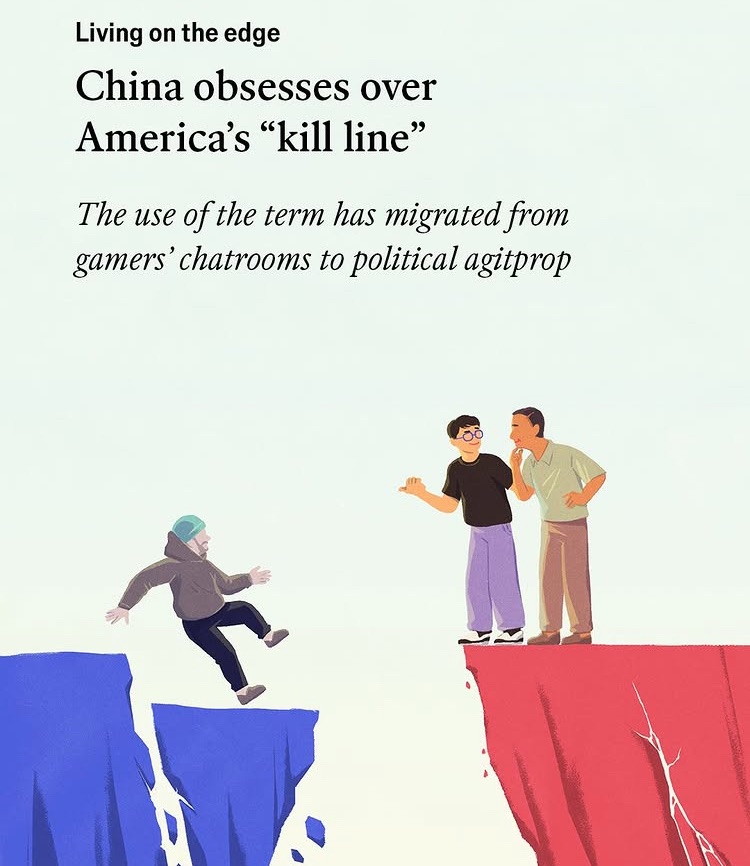
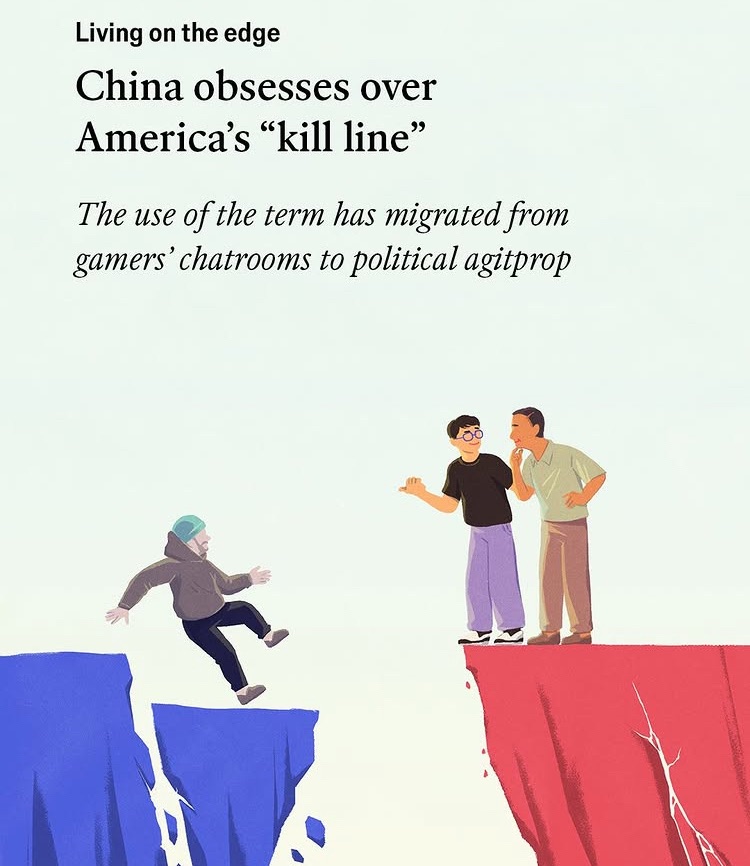
“Kill Line” Controversy and the Popularity of “Win-ism” and “Lose-ism”: “Position First” and Opinion Polarization in the Chinese-Language World

Over the past month, the term “kill line”(斩杀线) has sparked heated discussion across the Chinese internet. This term, originally derived from gaming jargon and adopted by Chinese influencers to describe what they portray as Americans’ lack of social protection and vulnerability, has become a popular talking point among supporters of China’s system and model to disparage the United States and, by contrast, to praise China as superior to the West. The New York Times and The Economist, among other media outlets, have also reported on the Chinese-language public debate surrounding the widely discussed U.S. “kill line” issue.

The “kill line” is also another round of hype surrounding the “win-ism”(赢学) that has flourished in Chinese public discourse in recent years. So-called “win-ism” refers to the practice of praising China’s achievements in areas such as the economy, infrastructure, technology, healthcare, and education, while simultaneously exaggerating and denigrating the shortcomings and weaknesses of foreign countries, especially Europe and the United States, in order to demonstrate that China’s system and model are superior to the West and to argue that China has “won.”

As Chinese scholars with official backgrounds such as Chen Ping(陈平) , Zhang Weiwei(张维为) , and Shen Yi(沈逸)  have claimed, “2,000 renminbi in China has greater purchasing power than 3,000 U.S. dollars in the United States,” “speech in China is freer than in the West,” “Chinese farmers eat better than the middle class in New York,” and “South Koreans cannot afford to eat meat.”

Although these “win-ism” statements are not entirely without basis, they are clearly one-sided and run counter to common sense. They magnify the flaws of foreign countries while covering up China’s own problems.

For example, regarding prices and purchasing power in China and the United States, although prices in the United States are indeed higher, when income and prices are considered together, the average standard of living in the United States remains significantly higher than in China. Comparisons of diet cannot ignore differences in quality and eating habits. And Western restrictions on speech based on “political correctness,” in both content and degree, cannot be equated with the strict controls in China.

The recently hyped “kill line,” which focuses on Americans’ lack of social protection and the vulnerability of their lives, does indeed reflect part of the truth. The United States is, among developed countries, one of those with the weakest welfare protections and the most severe ethnic tensions.

However, promoters such as Squich the King(斯奎奇大王, also known as “Lao A”(牢A)) take issues that have long been commonplace in U.S. media, selectively choose, exaggerate, and process them, failing to present a complete picture of the United States and the complexity of its social problems. For example, both the U.S. government and civil society provide assistance to the homeless, but some individuals use drugs and resist staying in shelters, which is why they are seen living on the streets.

At the same time, these promoters ignore the hardships of China’s poor, while praising China’s system and policies and avoiding the various policy failures of those in power and their negative consequences, creating an atmosphere of “the East rising and the West declining.” The “kill line” hype, like other “win-ism” theories, uses sensational language, selectively edited facts, and draws conclusions that do not align with the full reality.

Beneath the rosy image of China constructed by “win-ism” is the reality that many Chinese people are struggling in hardship. Against the backdrop of China’s economic slowdown, many have seen sharp declines in income, rising unemployment, and immense pressure in daily life. From middle school through the workplace, many are caught in intense “involution” under heavy academic or work burdens, with learning and labor intensity far exceeding that of the United States and most other countries. Common problems such as unfinished housing projects, bank collapses, and failed investments have harmed many, while delivery workers and other laborers work extremely hard yet lack dignity. Many Chinese people endure life in pain and tears, in conditions far more miserable than the poor described under the American “kill line.”

Recently, during the controversy over winter heating in Hebei, higher-level environmental policies banned the burning of coal, and many farmers who could not afford natural gas were forced to endure the winter in freezing conditions. This also reflects the reality that many rural residents in China remain poor, that social security is inadequate, and that official policies are implemented in a heavy-handed manner. In recent years, as climate warming has intensified, heatstroke cases have surged across China in summer, with many people falling ill and some deaths reported.

The poor freeze in winter and suffer from heatstroke in summer, enduring their days in torment. The “kill line” theory promoted by “win-ism” advocates, like other earlier “win-ism” hype that disparaged foreign countries and praised China, quickly encountered a “boomerang” effect.

All of these facts demonstrate that China is not the paradise described by “win-ism” advocates, but rather a place with various negative problems and many unhappy people. Precisely for this reason, there have long been voices on the Chinese internet that mock and deconstruct “win-ism.”

Equally worrying, however, is that many people who oppose China’s regime and governance and reject “win-ism,” including some members of the Chinese opposition and segments of the public, have gone to the opposite extreme. They deny and ridicule everything positive about China, indiscriminately denigrate Chinese people regardless of their qualities, and endlessly predict a bleak future for China.

When it comes to comparisons between China and foreign countries, especially with Japan, South Korea, Europe, the United States, and Taiwan, they unconditionally oppose China and support the foreign side. In contrast to “win-ism” and CCP-style nationalism, the propaganda and positions of these anti-China figures can be described as “lose-ism”(输学)  and “reverse nationalism”(逆向民族主义, “逆民”).

The long-standing “China collapse theory” is a case in point. Those who hold this view believe that the Chinese people are living in misery, that the rulers are brutal, and that the regime will sooner or later collapse, plunging China into civil war and famine.

Chinese liberals and opposition figures also widely believe that the Chinese people’s patriotic feelings and their tendency to face suffering and daily life with an optimistic spirit are the result of government indoctrination, thereby denying their autonomy and authenticity. These views do not accord with the facts, either exaggerating problems or generalizing from isolated cases.

They also portray various social problems and the darker sides of human nature that exist everywhere as phenomena unique to a so-called Chinese “lowland” and to “low-quality” Chinese people, blaming the government or even the entire Chinese population without considering the merits of each case.

Ordinary homicide cases in China, citizens scrambling for promotional giveaways from merchants, traditional customs surrounding weddings and funerals in rural areas, various routine accidents and social news, and even the extreme remarks of a few individuals online are deliberately selected and maliciously arranged as material to criticize the system and stigmatize Chinese people.

Their criticism of China and its people often goes beyond addressing issues on their merits or offering well-intentioned advice and warnings, instead degenerating into malicious denigration, targeted fault-finding, and mockery of the weak.

At the same time, these people also oppose criticism of the United States, Japan, and Taiwan, downplay the negative problems of the United States, Japan, and Taiwan and the negative behavior of related groups, and do their utmost to defend their images, ridiculing and mocking mainland Chinese who criticize the West, Japan, or Taiwan. For example, when some Chinese people accuse foreign countries of racial discrimination, these individuals instead blame the Chinese themselves and defend the discriminators.

On the “kill line” issue, they also refuse to acknowledge that the United States does indeed have shortcomings in social protection and other aspects of people’s livelihoods. In their eyes, the United States, Japan, Taiwan, and Europe are almost perfect paradises, while mainland China is a pitch-dark hell. When conflicts arise between China and foreign countries, they always take the side of the foreign party and criticize China, regardless of the merits of the issue itself.

These claims and stances of “lose-ism” and “reverse nationalism” can be summarized as follows: China is in decline, China’s future is bleak, Chinese people are bad, conflicts between China and foreign countries are always China’s fault, and China is destined to lose in competition with other countries. In Chinese public discourse, people holding such positions and expressing such views are also quite numerous, matching the “win-ism” advocates and their supporters in strength, and in recent times even appearing to gain the upper hand.

There are many reasons for the emergence of such people and such views. Some have suffered repression under China’s system, feel pain, and have had their rights and interests harmed. Some react against and feel repulsed by official claims that “the situation is universally positive” and by the rhetoric of “win-ism” advocates. Others lack judgment and simply follow the crowd, swinging from one extreme to another. And some are driven by multiple factors at once.

“Lose-ism” can also be seen as an alternative form of “win-ism,” in which the idea that “foreign countries (especially Japan and the United States) win while China loses” is used to satisfy one’s animosity toward China and to align with psychological expectations of predicting China’s decline.

In fact, whether “win-ism” or “lose-ism,” although their positions are opposite, their essence is highly similar. Under a position-first premise, they use one-sided views, selective use, and even partial fabrication of facts to interpret and judge all kinds of people and events—especially controversial issues—in ways favorable to themselves, and to guide the public to believe their perspectives in order to serve the interests of those they support or serve. Both violate the principle of seeking truth from facts, and both move toward extremism.

Both “win-ists” and “lose-ists” ignore the reality that China is complex and diverse, that some Chinese people are happy while others are unhappy, that both the wealthy and the poor are only parts of the population, and that in various controversial matters, right and wrong differ according to specific circumstances. Neither side truly cares about the happiness and suffering of the people, nor do they intend to solve real problems. Instead, they merely use livelihood issues as tools to vent their own emotions, achieve their own propaganda goals, and smear the opposing side.

“Win-ism” and “lose-ism,” including the “kill line,” are, in a time when China’s future is filled with uncertainty, society is uneasy, and people’s hearts are confused, a kind of systematic “spiritual opiate” concocted by various forces that exploit people’s sense of emptiness and loss and their need for emotional satisfaction.

Through one-sided presentations of events and figures, the distortion of facts, and particular and excessive interpretations, they deliberately steer public opinion in directions favorable to themselves in order to achieve their own aims.

For those in power, promoting “win-ism” serves to deflect contradictions, reduce dissatisfaction, and improve their image, in an attempt to gain more popular support and affection and thereby stabilize their rule. For the opposition, enthusiasm for “lose-ism” involves selling anxiety, stirring dissatisfaction, and provoking conflict, while also seeking to attract public support in order to overthrow the system, change the status quo, and have themselves or the forces they support take power. All sides also manufacture a sense of “winning” in this way to satisfy the emotional needs of their followers.

In addition, there are various forces with unclear identities that are confused, wavering, and opportunistic, as well as ordinary people who are swept along. All of them also fan the flames of “win-ism” and “lose-ism,” either to muddy the waters and “ride the traffic” for benefits, or simply to satisfy their emotions and obtain an “Ah Q–style”(阿Q式的) spiritual victory in the sense described by Lu Xun(鲁迅).

The supporters of these two currents increasingly clash in emotional ways, mutually provoking, attacking, and reinforcing one another. Both sides grow more extreme as emotions spiral out of control, online public opinion becomes more fractured, and this in turn fuels people’s anxiety and anger in real life.

The simultaneous prevalence of “win-ism” and “lose-ism” has worsened the public opinion environment, damaged interpersonal communication, and undermined the honesty and objectivity that should be maintained in information dissemination and in judging right and wrong. It has misled those who do not know the full truth and intensified polarization in the sphere of public opinion and even in real society. Chinese society does indeed face many thorny real-world problems that need to be addressed, and “win-ism” and “lose-ism” clearly disrupt normal discussion and are not conducive to these problems being properly confronted and resolved.

Whether in power or in opposition, if they truly care about the country and the people and wish to win public support, they should first and foremost seek truth from facts, sincerely face reality, and address specific controversial issues on their merits, rather than putting positions first, confusing the public with fabricated and selectively chosen narratives, and producing “spiritual opiates” to stir up populist sentiment. Comparisons with foreign countries should not be about competing for superiority, flattering the powerful and belittling the weak, self-indulgence, or self-abasement, but rather about using others as a mirror, learning from their strengths and compensating for one’s own weaknesses, ultimately aiming at strengthening the country and enriching the people.

The author also understands that in today’s China, where society is divided, contradictions are sharp, and public opinion is polarized, the above judgments and recommendations may be correct in principle but difficult to realize in practice. The pain and dissatisfaction people experience in their lives, the herd mentality of the masses, the internet’s amplification of extreme voices, and the tendency for bad money to drive out good all make “win-ism” and “lose-ism” more appealing than moderate and balanced views. For example, on the internet, statements that clearly take sides (including both simple emotional venting posts and posts that present themselves as professional and objective but are in fact obviously biased) often receive many likes, while neutral and objective comments attract little response.

With reform stalled and prospects dim, people generally lose hope and no longer expect rational dialogue to solve problems. Simple and crude messages, positions that cater to one’s stance, and views that match one’s tastes are more likely to satisfy the psychological needs of people who are anxious and repressed.

The prevalence and intense confrontation of “win-ism” and “lose-ism” are themselves the result and the manifestation of sharp social contradictions and of the division and opposition among the public in China. As long as real problems cannot be resolved, normal channels of expression and public participation remain blocked, and social contradictions remain acute, “win-ism” and “lose-ism” will continue to have an audience and a market.

Moreover, this is not limited to China. In recent years, many countries and the global internet have also seen similar trends akin to “win-ism,” in which people denigrate others and boast about their own groups in order to gain psychological satisfaction and emotional release. This reflects a universal problem of human nature and the anxiety and polarization induced by the internet. Even developed democratic countries with relatively strong civil rights and material protections are not immune.

Therefore, the author is not optimistic about the prospects for the public to move toward rationality and objectivity or for public discourse to be improved. The two-sided disruptions of “win-ism” and “lose-ism,” the emotionally charged, position-first debates such as the “kill line,” and the reality that genuine livelihood issues are difficult to resolve are likely to continue in China and across the world.

Warming of China–Canada Relations and the Cooling of Western “Decoupling” and Containment of China

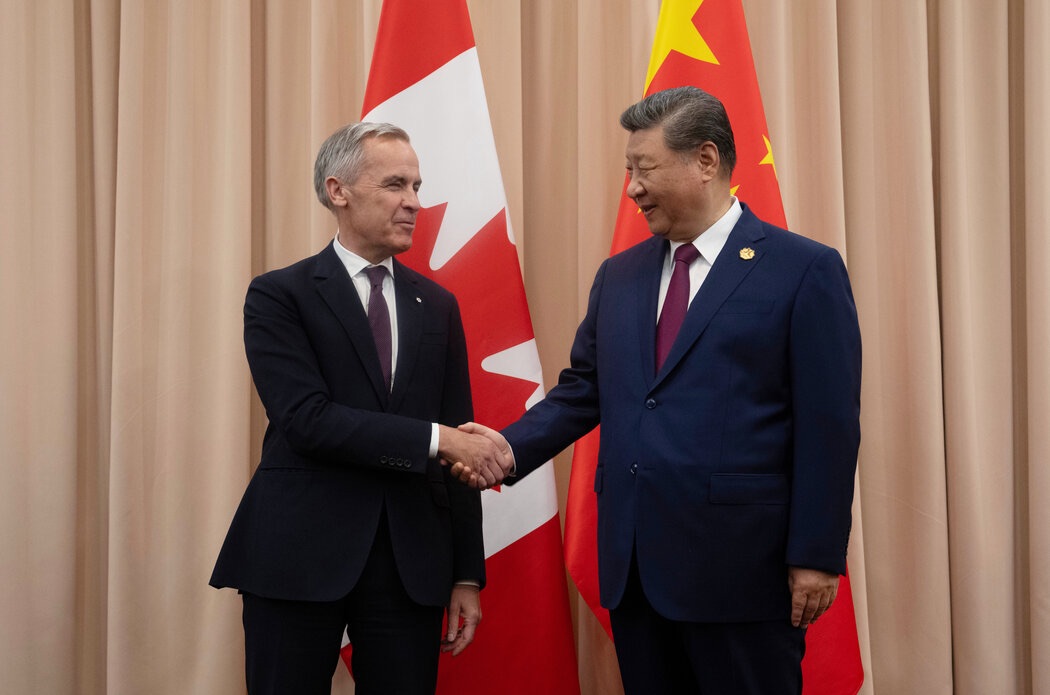
On January 15, 2026, Canadian Prime Minister Mark Carney visited China and met with Chinese leader Xi Jinping and Premier Li Qiang, among others. The two sides signed a joint statement and a number of economic and trade cooperation agreements. This marked the first visit to China by a Canadian prime minister in eight years and signified a comprehensive warming of China–Canada relations.

In 2018, the arrest in Canada of Huawei Vice President Meng Wanzhou, as well as China’s subsequent detention of two Canadian citizens as “hostages,” led to a sharp cooling of China–Canada relations. By the time of the 50th anniversary of the establishment of diplomatic relations between China and Canada in 2020, both sides were very restrained and did not hold any warm celebrations.

 In the years that followed, Canada also participated in a series of Western measures against China, including “decoupling,” trade confrontations, and sanctions triggered by human rights issues. China likewise imposed a number of retaliatory sanctions on the Canadian side.

So why, by 2026, did the Canadian prime minister decide to visit China, and why did the Chinese side receive him warmly, successfully signing many important cooperation agreements and issuing a joint statement?

The specific reasons are very complex, but in brief, they lie in the tremendous changes in the international situation facing both countries. Among these, the dramatic shift in Canada’s relationship with the United States in particular played a key role in bringing about the change in Canada’s position.

For a long time, the United States and Canada have been very friendly, highly trusting allies. Although historically the United States and Canada, then under British rule, briefly went to war, over the subsequent two centuries the two sides have remained at peace, with very close economic, trade, and people-to-people exchanges, and an almost undefended border. In international wars such as World War I, World War II, and the Korean War, Canada stood on the same side as the United States. Canada also supported U.S. military interventions in Afghanistan and Iraq.

The United States and Canada are both members of the “Five Eyes” alliance, dominated by populations of Anglo-Saxon origin, and their relationship is even closer than that with Western countries outside the alliance. During the period from 2021 to 2024, when Joe Biden served as President of the United States, the two countries maintained close cooperation and, together with the broader Western camp, jointly promoted a strategy of “decoupling” from China.

However, after Donald Trump was elected president of the United States for a second time, he openly put forward territorial claims such as “Canada should become a state of the United States,” showing a lack of respect for Canadian sovereignty and dignity, and launched a trade war against Canada. The U.S. government, dominated by right-wing populist forces represented by Trump and Vance, initiated attacks across multiple fields, including trade, ideology, and the distribution of interests, against the Western political establishment, including Canada.

This greatly worsened U.S.–Canada relations and created major rifts within what had previously been a relatively united Western camp. Faced with the aggressive pressure of a powerful and overbearing neighbor to the south, Canada, in order to protect itself and push back, gradually abandoned its earlier approach of joining other Western countries in sanctioning China—a country with a fundamentally different system and sharply contrasting values that poses a major challenge to the Western-led order—and instead moved toward easing relations.

For Canada, the earlier conflicts with China, especially the hostage incident, were indeed painful, and institutional differences also made it difficult for Canada to trust China. But in the face of new changes in the international situation, a rupture with the United States, the growing “law of the jungle” in the world order, and Canada’s own domestic economic and social difficulties, choosing to cooperate with a country as economically massive as China became a path that was taken reluctantly but out of necessity.

Not only Canada, but also many Western countries that in previous years enthusiastically participated in “decoupling” from China and in military, technological, and economic efforts to guard against and contain China, have undergone similar shifts.

France, for example, which has long been relatively independent within the Western camp and unwilling to follow the United States unquestioningly, saw President Macron visit China late last year for cordial exchanges with the Chinese side. Human rights issues were set aside, trade disputes were downplayed, and economic and cultural cooperation was strengthened. 

The United Kingdom, after a period of strained relations with China over Hong Kong several years ago, has also gradually deemphasized the Hong Kong issue, turned to strengthening ties with China, and is preparing to approve the construction of a Chinese “super embassy” in the UK. Germany, Australia, Italy, and other countries have likewise adopted a pragmatic approach toward cooperation with China and no longer emphasize the issue of “decoupling.”

The shift in the attitudes of these countries shares many similarities with Canada’s. They have all felt the strong isolationist and hegemonic behavior of the United States since Trump and right-wing populist forces came to power, including trade wars, a tilt toward Russia and away from Ukraine, and attacks on the ruling establishments of various countries, along with the direct, practical troubles and dangers these policies have created. At the same time, each of these countries faces domestic challenges such as economic downturns, ethnic tensions, intensifying social conflicts, and the gradual disintegration of traditional political orders.

Under these circumstances, the alliance network that once, on the basis of shared interests and liberal democratic values, united to “decouple” from China and to contain countries such as China and Russia has clearly developed serious cracks. Although the alliances among Western countries have not completely collapsed, they can no longer maintain the same level of unity and coordination as before and are increasingly focused on their own national interests. 

Once one country seeks cooperation with China and benefits from its massive volume of trade, the encirclement is broken, and other countries will no longer rigidly adhere to their principles. China has also deliberately taken advantage of this dynamic to divide the West, and it has indeed achieved results.

Moreover, after several years of “decoupling,” Western countries have discovered that it is now very difficult to truly disengage from China. China’s population and economic scale are enormous, and its productivity, labor force, and market are difficult to replace. India and Southeast Asian countries cannot fully substitute for China’s role in Western trade and economic relations. 

Even if the West can reduce cooperation with China in a limited number of areas involving security and high-end technology, it is, overall, very difficult to achieve a complete “decoupling and severing of supply chains” from China. Under globalization, the West and China are mutually dependent and hard to separate.

As a result, in the past two years, countries such as France, Germany, the United Kingdom, Australia, and Canada, as well as the European Union, have become less insistent on a hardline approach toward China and have instead tended toward easing relations. The once-prominent “decoupling” and strategic containment have thus been set aside and cooled.

However, the easing of relations between Western countries and China does not mean that the two sides have truly established reliable and trusting relationships or that the future is bright. Because of differences in systems and ideology, competition in trade and the economy, human rights issues, and the Taiwan question, there are deep-rooted contradictions and difficult-to-bridge divides between the two sides.

Under the current circumstances, the West and China are drawing closer to each other in order to make use of one another and obtain what they need, rather than out of genuine affinity or sincere, close cooperation. Moreover, cooperation between China and the West is almost entirely concentrated in trade and a limited amount of cultural exchange. Even if relations warm further, breakthroughs in the political, military, and international strategic spheres are unlikely, and both sides will remain standing before a deep and unfathomable divide.

The West’s pause in “decoupling” from China in areas such as trade does not mean that it will never “decouple” again. If the United States once again comes under the control of the political establishment, if Western countries regain strength, or if relations between China and the West deteriorate over certain issues, “decoupling” could be restarted. 

Conversely, if China in the future becomes even stronger and more confident and no longer seeks the West, it may likewise shift from its current relatively friendly posture to a harder line, becoming more dismissive of Western human rights criticisms and critiques of its development model, and treating the West with greater indifference and severity.

For decades, relations between the Western camp and China have gone through repeated ups and downs, and individual countries have each experienced their own periods of warmth and cooling in their ties with China. Changes in the domestic politics of China and Western countries (including within the European Union) and shifts in the international situation all affect the quality of their relations. 

It is not surprising that China–Canada relations are warming today and China–Europe relations are easing, only to potentially deteriorate again in a few years. All parties should be prepared for this. It is neither appropriate to be pessimistic and constantly predict the collapse of China–West relations, nor to be overly optimistic.

80年过去了,为什么中国人民仍然应当纪念抗日战争?(对淡漠、质疑、反对纪念抗战者及其理由的批驳)


质疑和反对纪念抗日战争者的若干理由 2

对质疑和反对纪念抗日战争的各种理由/借口的批驳 3

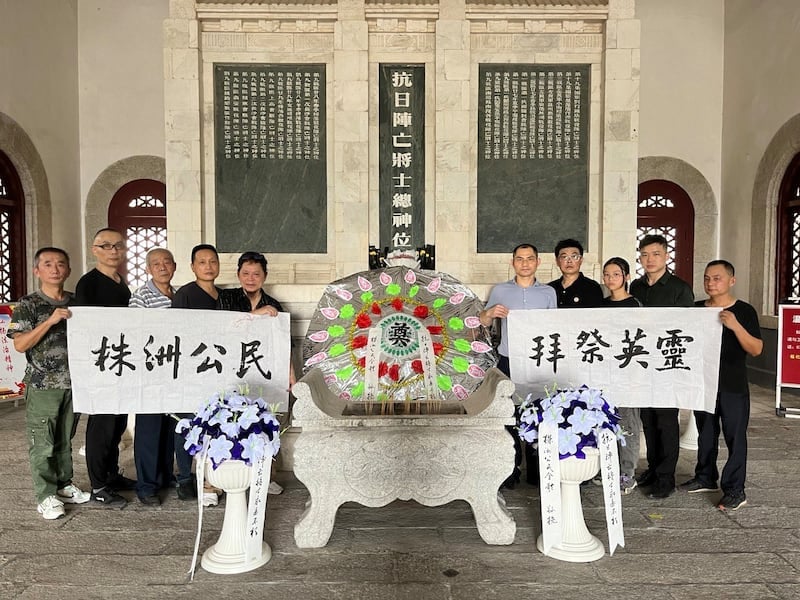
第一,纪念抗日战争,缅怀抗日战争的英雄烈士、纪念日本侵华中被杀害和遭受巨大苦难的中国同胞和国际友人,无论是出于对抗战牺牲者的敬意,还是作为人对先人和逝者起码的责任,本身就是极为必要的、理所应当的。它自身的重大意义和必要性,并不因是否被中共利用而有改变。 3

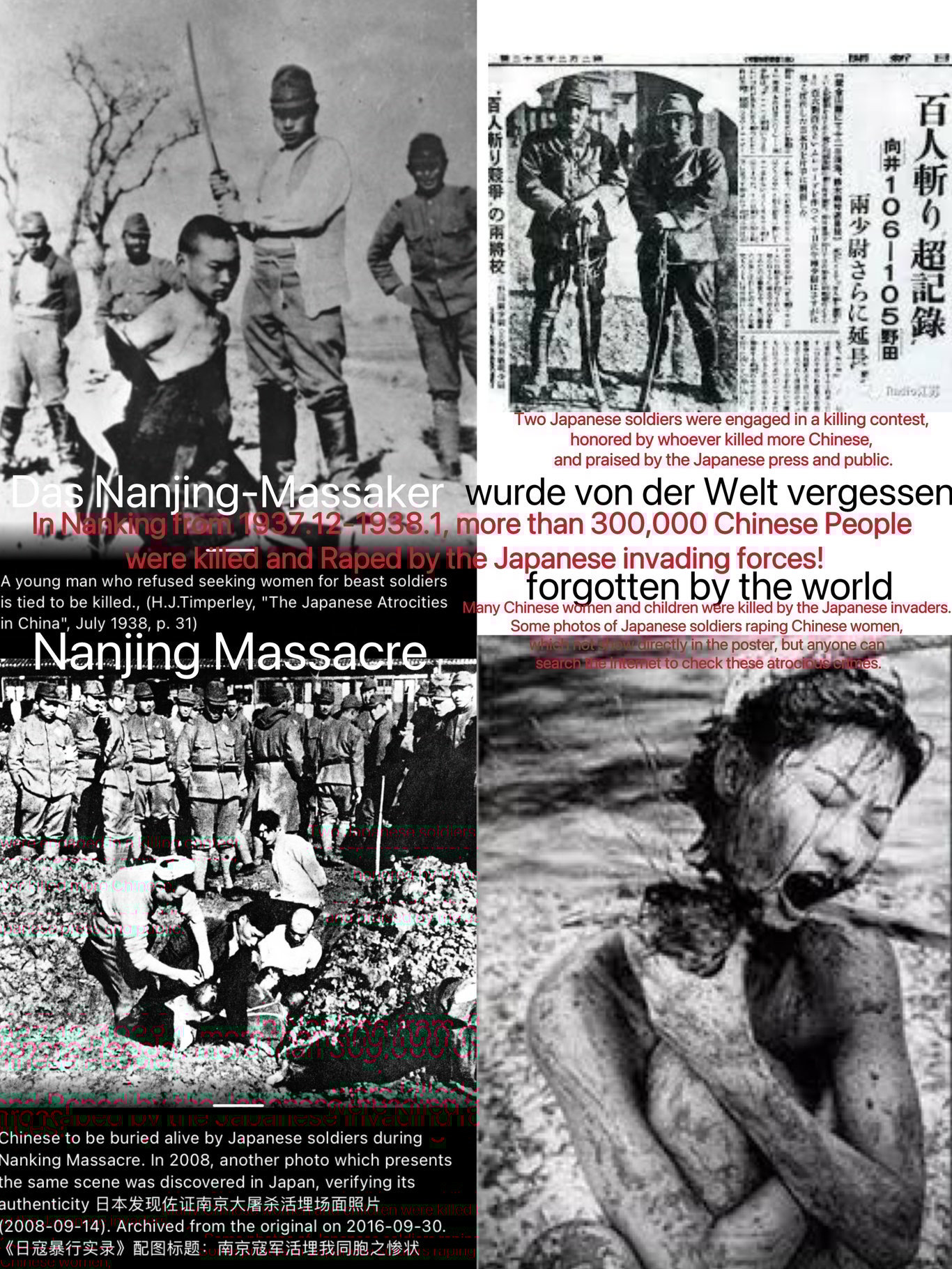
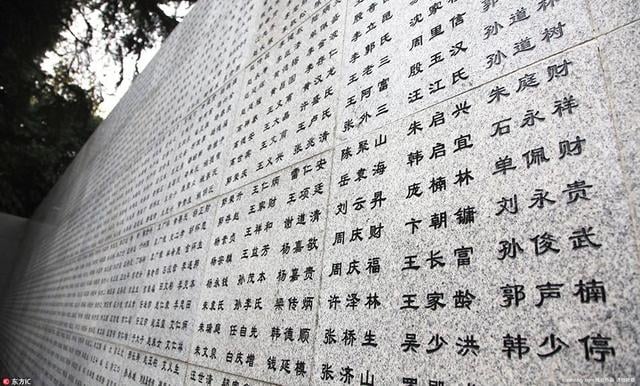
第二,纪念南京大屠杀受难者、“731”部队受难者、“慰安妇”、其他抗日战争中被日军杀害和凌虐的中国人,并不是宣扬仇恨、煽动民族主义,而是对历史的记忆、对受难者的缅怀和告慰。而这些纪念不可避免要讲述和展示日军暴行,且日本暴行有许多极为突出和恶劣的特别情形,引发的对日本侵略者的痛恨、对当今日本法西斯继承者/右翼分子的痛恨,是正常的人类情感,不应以“反对仇恨”为由禁制和抹杀,更不应借口“反对仇恨”、“支持和平”、“中日友好”来规训和责备受害者及其后人。反映日本侵华的影视剧和文化艺术作品不是太多而是太少。 4

第三,之所以过去80年了,还要纪念抗日战争,既是因为历史不应因时间推移而淡忘,还是因为1949年后数十年(尤其毛泽东时代和邓小平时代)对抗日战争的遗忘、淡化,对抗战英雄的杀戮、迫害,对侵华受难者的压制、贬损,长期的记忆与纪念空白,巨大的不公与遗憾,而应做的矫正、弥补。且日本几十年坚持纪念和宣传广岛长崎核爆、塑造“受害者”身份,中国更不可遗忘历史、放弃宣传,必须争夺对抗日战争及二战的话语权。 6

第四,纪念抗日战争、谴责日本战争罪行、纪念抗战牺牲者受难者,与纪念中共专制暴政下的受难者、大饥荒/文革/六四等悲剧死难者,以及关注当下养老金、烂尾楼、政治犯等人权问题,并不矛盾,并非二选一的关系,有良知和正义感的人士应当对抗战和人权同样关心、纪念、抗争。且正是日本侵华促成中共夺权和制造一系列惨祸,1949年之后日本与中共多有合作,中共每桩罪恶皆有日本重大责任。日本也利用中共言论禁制和新闻审查,勾结和施压中共弹压抗日言行。而日本侵华杀戮破坏的酷烈程度、对民族极重要影响,也都应优先于国内矛盾加以铭记宣传。 10

第五,俄罗斯及其他所有国家/列强对中国的伤害、对待中国人民的残暴程度、造成的长久负面影响,都远不及日本,根本不能与日本侵华和屠杀相提并论。而且俄罗斯及苏联还对中国及汉族有不少主观客观的帮助和益处。当今中国自由派反对派一些反俄说辞,恰恰源于毛时代中苏交恶时宣传辞令。 12

第六,日本战争罪行未有清算、战犯和共犯未受惩罚,日本在二战后根本未有真正悔罪、改过自新、“转型正义”,而是在民主、自由、和平的外衣包裹下,保留了法西斯军国主义、种族主义、排外主义的内核和躯干,混淆战争正邪、模糊历史责任、国民从侵略中获利并继续伤害中国人民、对世界公正和平造成损害和长久潜在威胁;日本内部的文明、富裕、法治、民主,也并不惠及中国人,而更衬托侵略者得利与受害者不公。 14

第七,日本并不关心中国人权、并不积极支持中国自由民主,其反中反华反汉远胜于反共,以反中共为名掩饰反中之实,参与打压中国也并不能为中国带来自由民主,只是更加损害中国国家和人民利益,让中国人遭受多重压迫。中共反对派亲日不能换来日本有力支持中国民主事业,只是重演百年历史上日本操纵中国各党各派对立互害、内部互耗,被日本利用、让日本渔翁得利。中共和反对派对立、相互攻讦,不惜在抗战纪念上撕扯、以国家利益为代价牺牲,受害的是中国人民。 18

第八,中国国内矛盾激烈、充满不公平,许多国人遭受政权剥削压迫、蒙冤受屈,被国人同胞虐待、生活痛苦,国家政权利益与人民利益不一致且高度背离,国民身份认同混乱/缺失、民族意识淡漠或错位、价值观扭曲、思想迷惘、缺乏真实共同体和“共同底线”,不同身份、政治派别、立场、观念、利益取向者相互对立、社会高度撕裂,这些人发自内心抗拒纪念民族苦难与辉煌史,更多人缺乏自发、自觉、自主纪念抗战的意愿和勇气,是纪念抗日战争及其他许多事情上遭遇阻力、破坏、扭曲,无法团结同心记忆民族历史、缅怀受难同胞的深层原因。 20

第九,如今中国现实确实不利于纪念抗日战争,内忧外患、社会撕裂下必然诸多阻挠和种种离心。但纪念历史、铭记国殇、吊唁先人,是国人应有情感,也是应尽之责。作为中国人、汉族人、中华认同者一员,无论现实风向潮流如何,都应从心到行纪念抗战、告慰逝者。 23

参考资料 24

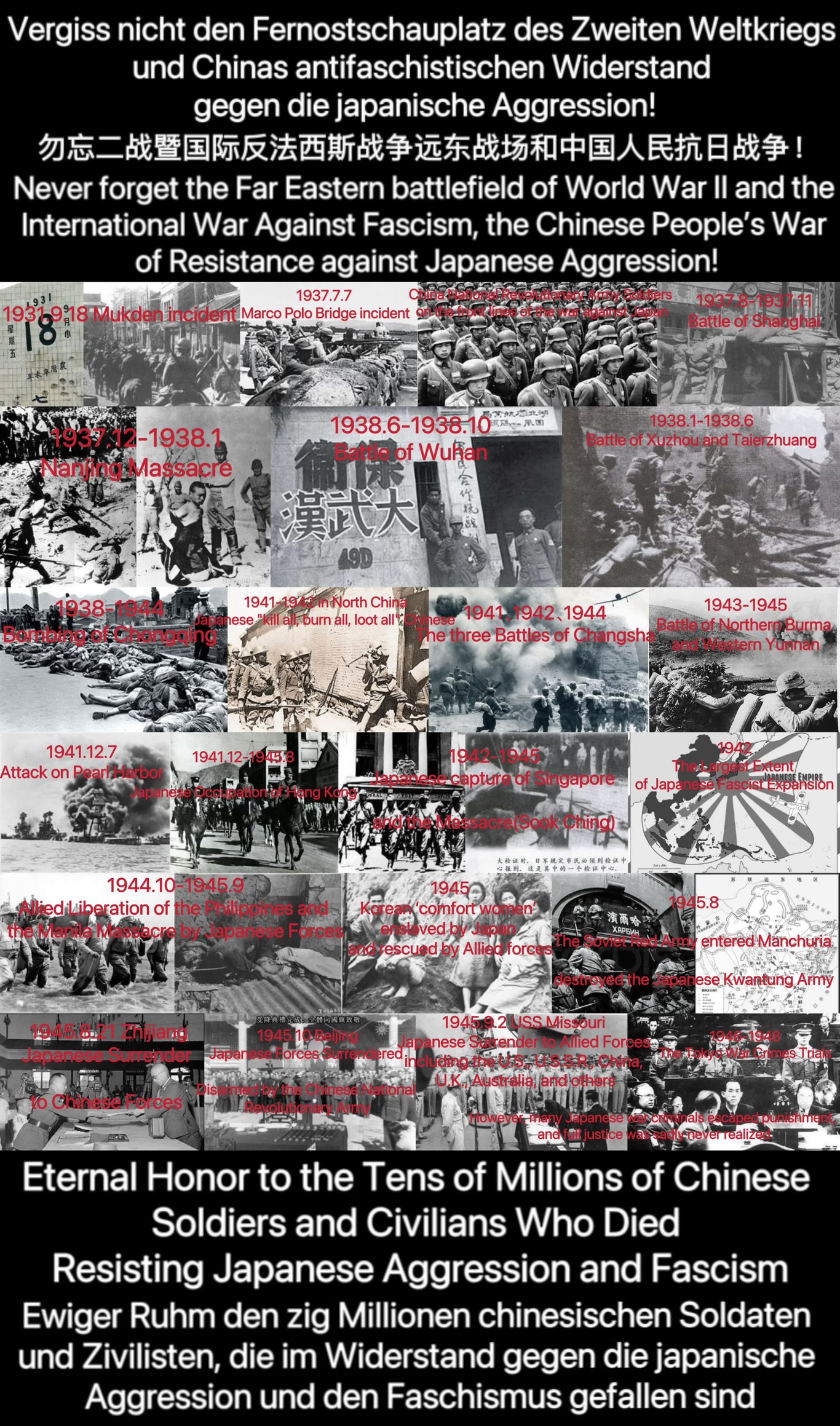
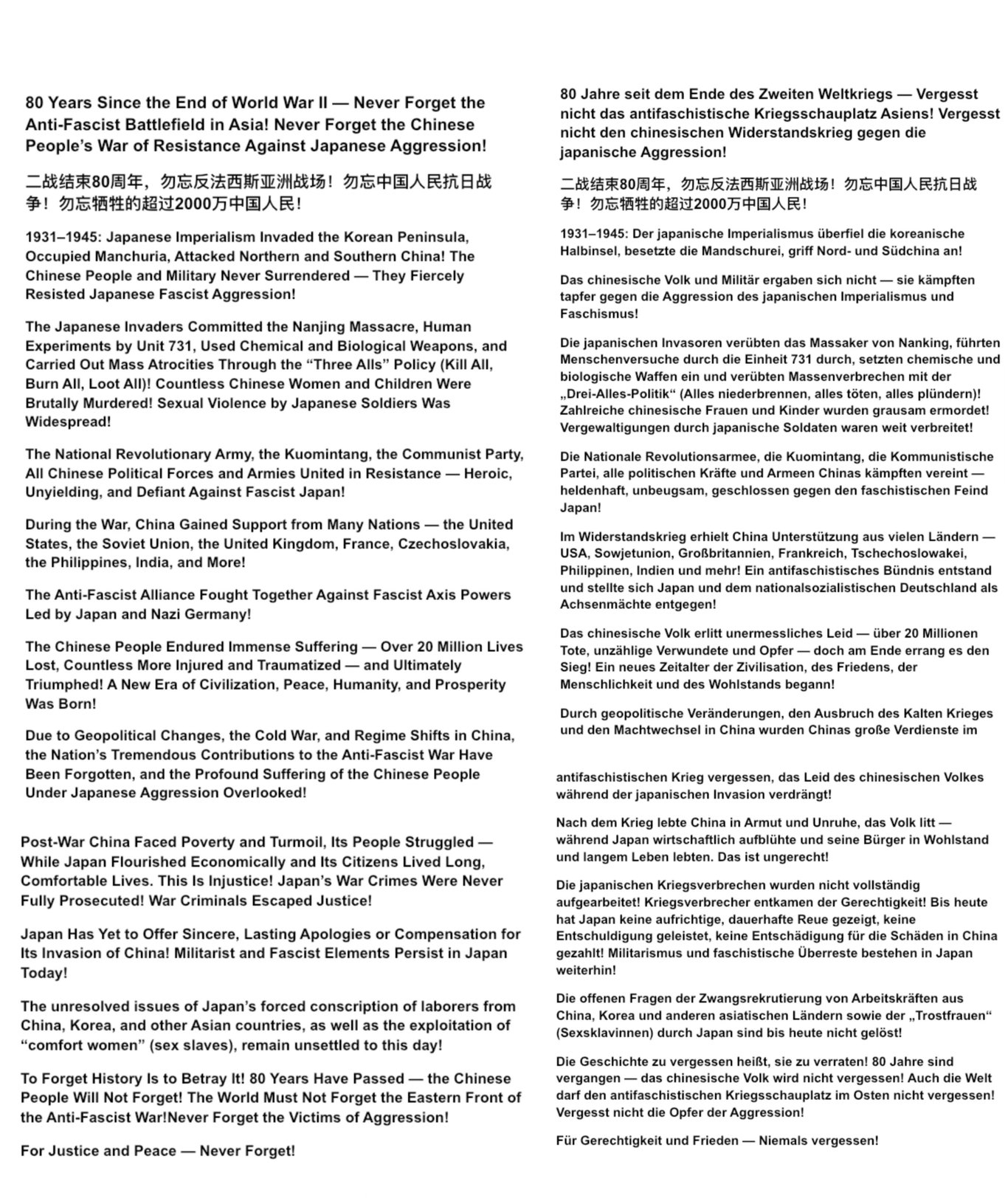
  今年(2025年)是中国人民抗日战争胜利80周年。1945年日本投降,抗日战争暨国际反法西斯战争结束。而如果从1937年日本全面侵华算起,抗日战争已过去80多年,918事变已过去90多年。这距当今确实是较久远的历史时期了。

    正是这样的背景下,一方面中国官方隆重纪念抗日战争胜利80周年、许多民众也积极的以各种形式参与纪念抗战和牺牲者。但另一方面,也有不少人(包括中国人和海外人士)对纪念抗日战争态度冷淡,其中一些人质疑纪念抗战的必要性、反对纪念抗战,甚至有些发展到对抗日战争本身的污名化、对日本侵华的洗白、混淆善恶正邪、对日本侵华受害国人侮辱诽谤、对纪念抗战的今日中国人冷嘲热讽。

质疑和反对纪念抗日战争者的若干理由

   这些态度冷淡甚至质疑和反对纪念抗日战争的人,有许多理由。整理和概括起来,大致有以下理由(以下皆是他们所认为、声称、主张,并不符合事实,或陈述的事实部分对,但得出的结论错误,笔者对这些观点是反对的):

  1.“纪念抗日战争,是中共为政权统治而拉拢民心、凝聚人心、转移矛盾而为,抗日战争纪念被利用。中共纪念抗战是在统战、迷惑人心。所以他们主张不要跟着中共纪念抗战,以免为中共利用”;

 2.“纪念抗日战争,尤其纪念南京大屠杀受难者、731部队受难者等日本侵略受害者,是在宣扬仇恨、鼓动仇日,不利于和平、和谐,不利于中国人尤其中国青少年心理健康,是仇恨教育、毒害人心”;

 3.“抗日战争已经过去那么久,当事人都去世了,当今的人都与抗战无关了,现在还纪念,是在翻旧账,不必要、不应该,应该向前看”;

 4.“为什么不纪念六四?为什么不纪念反右/大饥荒/文革受害者、被中共迫害而死的死难者?为什么不关心当下中国人的苦难?为什么不在乎中共迫害人权律师、抓政治犯?为什么不关心香港/新疆/西藏人权?为什么不关心农民一个月120养老金、老百姓看病难、烂尾楼?不纪念/不关心这些,有什么资格纪念抗日战争?纪念抗日战争就是掩盖中共罪恶、转移矛盾”;

 5.“俄罗斯侵占中国那么多领土,杀了很多中国人,为什么不纪念?为什么煽动仇日而亲近俄罗斯?是不是双标?是不是认俄罗斯为爹?”;

 6.“日本是民主国家,文明国家,早已不是二战昭和时期那样,是和平文明的,应该学习、亲近,中日关系好对中国好。日本早就和过去一刀两断,中国人揪着不放、鼓吹报复,不断侵略日本,中国才是法西斯、中国人才是日本鬼子继承人”;

 7.“中共统治的中国是专制的,日本是民主国家,专制中国干的事当然是错的,民主的日本什么都是对的,所以应该支持日本打压中国,才有利于中国民主化”;

  ……

 以上只是质疑和反对纪念抗日战争者的部分理由,还有很多,难以全部列举,但大致也在上面列举的范围和方向。这些理由,有些乍一看似乎有道理,还有的即便很难站住脚,但仍然在立场决定态度的许多人那里得到认可。可以说,在中国人、海外华人、关注中国问题的外国人等各群体中,质疑和反对纪念抗日战争者,占了相当一部分比例,且无论在墙外还是中国国内网络平台都颇有声量。

对质疑和反对纪念抗日战争的各种理由/借口的批驳

  那么这些反对纪念抗日战争的人及其理由,是对的吗?中国人是没必要纪念已过去了80年的抗日战争了吗?

   答案当然是否定的。笔者也将对各种否定、质疑、反对纪念抗日战争的各种人及其各种理由。一一的加以评论和驳斥。

  第一,纪念抗日战争,缅怀抗日战争的英雄烈士、纪念日本侵华中被杀害和遭受巨大苦难的中国同胞和国际友人,无论是出于对抗战牺牲者的敬意,还是作为人对先人和逝者起码的责任,本身就是极为必要的、理所应当的。它自身的重大意义和必要性,并不因是否被中共利用而有改变。

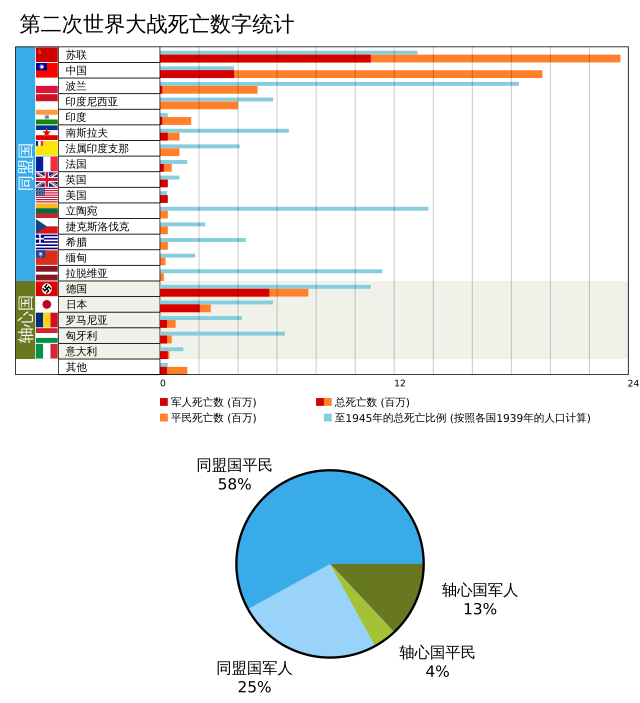
   抗日战争作为中国近现代至今规模最大、受害最深、牺牲和抗争最勇敢、影响最深远的战争和历史事件,涉及亿万中国人的生死与命运、国家兴衰民族存亡。超过2000万中国人因战争死亡,加上伤残者超过3500万人,其他几亿人口也卷入其中、遭受各种各样的伤害,以及巨量的财产损失、物质和非物质损害,并直接和间接影响到之后至今数代数十亿中国人的命运。

   中国抗日战争也是国际反法西斯战争的重要组成部分,是人类从野蛮到文明划时代的历史转折,是决定全球命运的正邪之战,反法西斯战争的胜利开辟了人类文明的新纪元。相较于1945年之前的几百、几千、几十万年,战后至今几十年全球前所未有的和平与繁荣,都有中国抗日战争烈士的功劳。在抗日战争中受难和牺牲的中国人民,当然应该被铭记、被悼念、被追授荣誉。

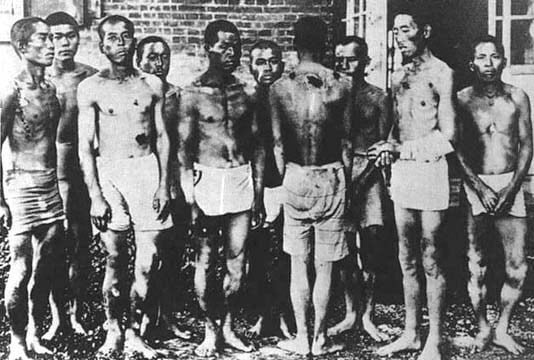
   在抗日战争中牺牲的人,有些中国人是冒着日军强大炮火视死如归、尸骨无存的战士;有些是老老实实在做工务农,却把侵略和泄愤的日军刺刀穿胸和活埋在地的平民;有些中国人是惨遭集体强暴并事后被虐杀的妇女;有些中国人是尚未成年而纯真无知却被夺去人生所有可能的儿童;有些是因为日军入侵而加剧的天灾匪祸中不明不白浮尸田野的农民;有些是遭受难以想象酷刑折磨和细菌实验而死的无名同胞……他/她们被残忍杀害,很多人名字也没有留下。但那是一个个鲜活的生命,不应被同胞和世人遗忘。还有许多屠杀幸存者、强奸幸存者,伴随一生阴影,在压制纪念抗日战争的几十年里、未能得到关怀下纷纷去世。

   今日的中国人,纪念80多年前的他/她们,不能让他/她们复生,但通过种种纪念,让这些曾经来到世间又饱经苦难的生命,得到尊重和某种告慰,而不是如草芥、昆虫、水蒸气般没有痕迹的消逝。

   在抗日战争这一主题之外,纪念死难者、历史亲历者,也是作为他们子孙后代、同族同胞应尽的义务。“慎终追远,民德归厚”,纪念先人、缅怀逝者、传承记忆,是中国自古以来的道德要求和社会范式,也是世界各文明、各族群普遍的信仰和行为,是天经地义的。人类文明的传承与社会秩序的维系,很大程度基于生者与逝者的连接,让人有所寄托,生能所安、逝有所归,并世代相传。

   所以,无论是作为人对先人和逝者起码的责任和义务,还是出于对抗日战争牺牲同胞(及国际友人)的尊重和敬意,纪念抗日战争及牺牲者们,都是理所应当而无可指摘的。当然,作为中国人、汉族人,对于纪念抗战牺牲者有着格外重要的责任。

 而在如此重要的意义面前,无论什么政权、哪类政治身份、出于何种目的,去纪念抗日战争及死难者,本身都是正确的、应该的、值得称赞的。即便中共有各种目的,也不应因此否定其纪念抗战的正确性,更不应该因此否定抗日战争本身的意义、遗忘牺牲的先烈和受难的同胞。这就像中共改革开放、取消农业税、抗震救灾、扶贫开发等,当然都有笼络人心、维护统治的目的,但难道对这些有益的政策、从完全坏向部分好的转变,也要加以否定甚至阻挠吗?中共暴力机关(军队、公检法)既镇压老百姓、抓政治犯,也打击恋童癖和毒贩,那么反中共的人也要反对抓恋童癖和毒贩、甚至为侵害儿童和贩毒行为洗白吗?

   更广泛的说,不仅专制政权,民主政权各种政治势力、国家与国家之间(当然包括民主国家之间),到处都是相互利用,各种政策主张也都有拉拢人心、壮大自己的目的,甚至这世界的人际关系、国际关系,就是人与人相互利用、国与国为利相交而存在的。欧美国家各政党的福利、减税、治安等政策,也都为了获得选民欢心、让自己得票更多。即便很真诚的主张和行为,也免不了利益考量。一个政权出于利用目的来纪念一件事,确实影响事情本身的纯洁,但并不应该因此否定其意义,而要看其本身是否正确、是否有价值。对中国而言,纪念抗日战争意义极为重大,中共如何利用,包括反对派在内其他人都不应否定其本身的价值和必要性。

  第二,纪念南京大屠杀受难者、“731”部队受难者、“慰安妇”、其他抗日战争中被日军杀害和凌虐的中国人,并不是宣扬仇恨、煽动民族主义,而是对历史的记忆、对受难者的缅怀和告慰。而这些纪念不可避免要讲述和展示日军暴行,且日本暴行有许多极为突出、格外恶劣的特别情形,引发的对日本侵略者的痛恨、对当今日本法西斯继承者/右翼分子的痛恨,是正常的人类情感,不应以“反对仇恨”为由禁制和抹杀,更不应借口“反对仇恨”、“支持和平”、“中日友好”来规训和责备受害者及其后人。反映日本侵华的影视剧和文化艺术作品不是太多而是太少。

   之所以在展示日本侵华/抗日战争历史过程中,引发许多中国人对日本的强烈愤恨情绪,原因当然是在于日本侵略者的暴行过于恶劣(如活体细菌实验、剖腹孕妇、集体强奸、火烧平民)、实在令人发指,而战后几十年又没有真诚、广泛、深刻的认罪悔罪及做出足够赔偿补偿,法西斯和军国主义仍然无处不在。

  即便展示日本战争罪行而引发仇恨和激进行为,责任也在于日本方面,包括当年的侵略者、作恶者、胁从者,以及当今的继承者,而不是归咎中国人“民族主义”、“仇日”、“被洗脑”,不应该责备因日军暴行而愤慨和产生恨意的中国人。

   爱恨情仇、喜怒哀乐,是人类固有的情感。纪念先人、抒发情感、勿忘国仇家恨,也是人之常情、世间常理。不去指责日本的奸淫杀戮、这些暴行导致的家破人亡悲剧,却反过来不要受害的中国人表达正常情感反应,不分青红皂白扣上“仇恨”的帽子,本身就是荒诞、无耻、违反人性的,是又一次的屠杀、精神上的屠杀。而有些人打着“反对仇恨”的口号阻止纪念抗战和展示日本战争罪行,也是一种狡猾的、规训受害者的手段,是日本右翼及中国追随者破坏记忆历史的恶毒招数。

   对于残酷的历史,如不直面和呈现,选择回避和淡化,既是对死难者的不公,也阻碍了对罪行的谴责、不利于对后人的警示。事实上,出于各种原因如维系中日和平、经贸往来、避免发生暴力等,中共执政的中国政府和各界,已大大淡化和减少了对日本战争罪行的展示和批判。如731人体实验和化武使用、南京大屠杀中的强奸和虐杀、奴役“慰安妇”和劳工等重大罪行,中国很少有相关影片,且即便提及往往也颇为隐晦。只有香港人拍摄的《黑太阳731》较直白激烈的呈现过,而中国大陆拍摄往往受到各种审查和压制。

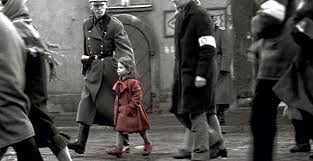
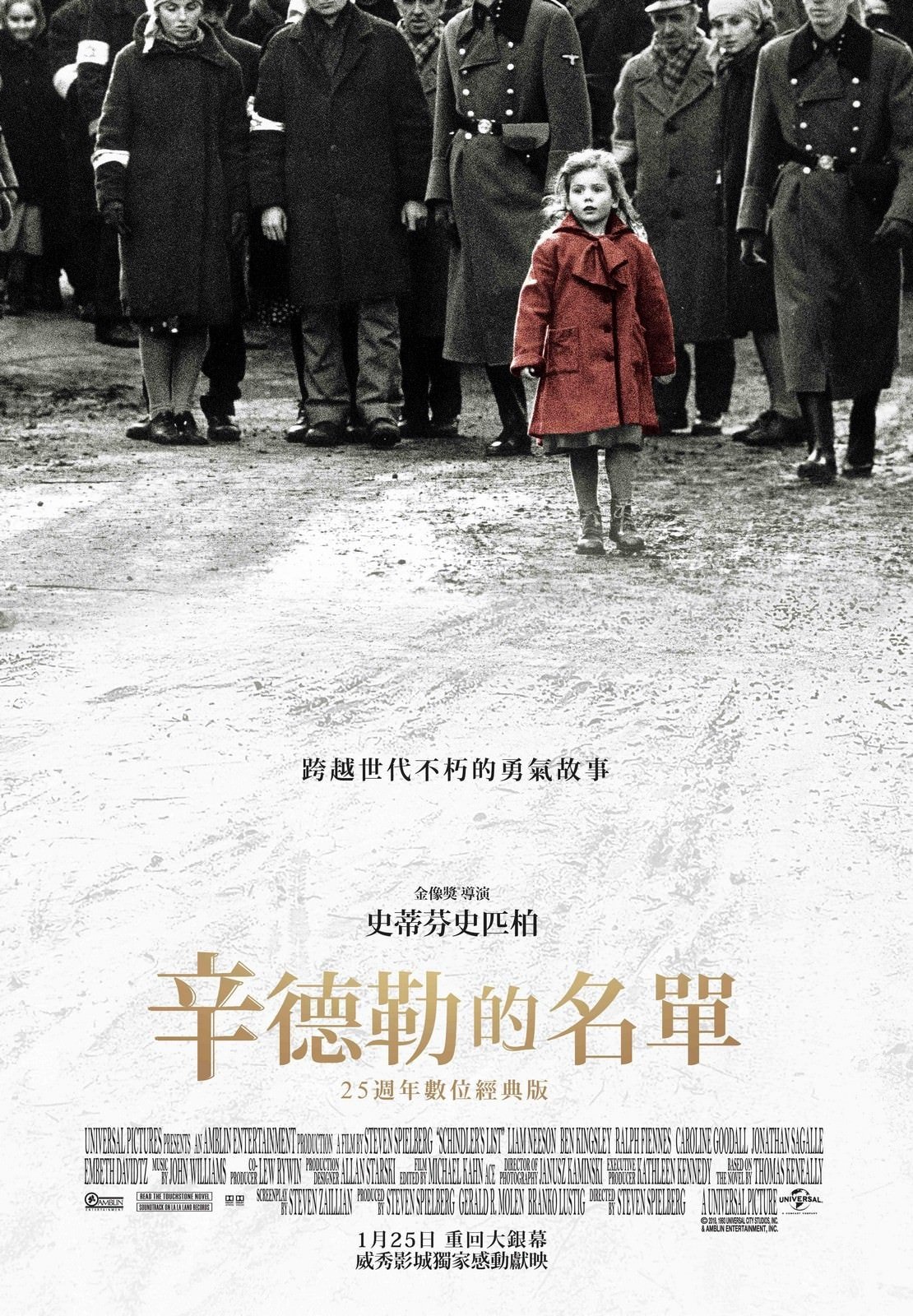
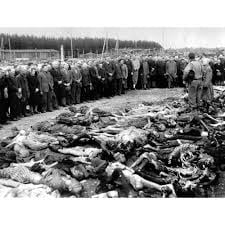
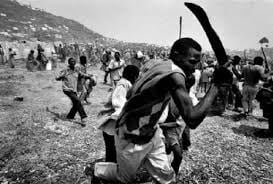
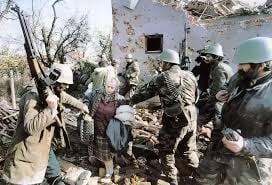
   但这些淡化反而妨碍了中国人和世人对日本战争罪行的揭露、影响了对日本法西斯侵略残酷性的认识、压制了受难者的诉说、阻止了正义的伸张。而犹太人被纳粹屠杀,之所以引发世界广泛关心和同情,不仅在于犹太人积极纪念和追责,还在于非常直接有力的呈现纳粹的迫害罪恶,如展示犹太人被集体送进毒气室、尸体层层叠叠堆积如山、人体毛发被做成纺织品等残酷事实。真实最能打动人心,也是得到同情、伸张正义的前提。而如波黑内战、卢旺达屠杀、欧洲难民危机、非洲若干战乱和饥荒等,也都是通过影像等方式直白展示惨状,以及文字和艺术加工渲染,引发广泛关注和强烈同情,才促使国际干预和救援。

   而且日本的战争罪行,有很多极为恶劣和严重之处,更需特别纪念。如南京大屠杀,是人类进入现代文明(高度工业化时代、出现现代生活大都市)以来,对一个现代化大城市的毁灭性屠杀和强奸,从事各行各业的市民和接受新式教育的学生被虐杀、许多现代职业女性和女学生被强奸和轮奸、无数或传统或新式的家庭被精神和肉体双重的毁灭,建设现代中国的中国各领域精英人才被集体屠戮。许多本来是中国未来国家建设骨干的人,惨死于虐杀中。

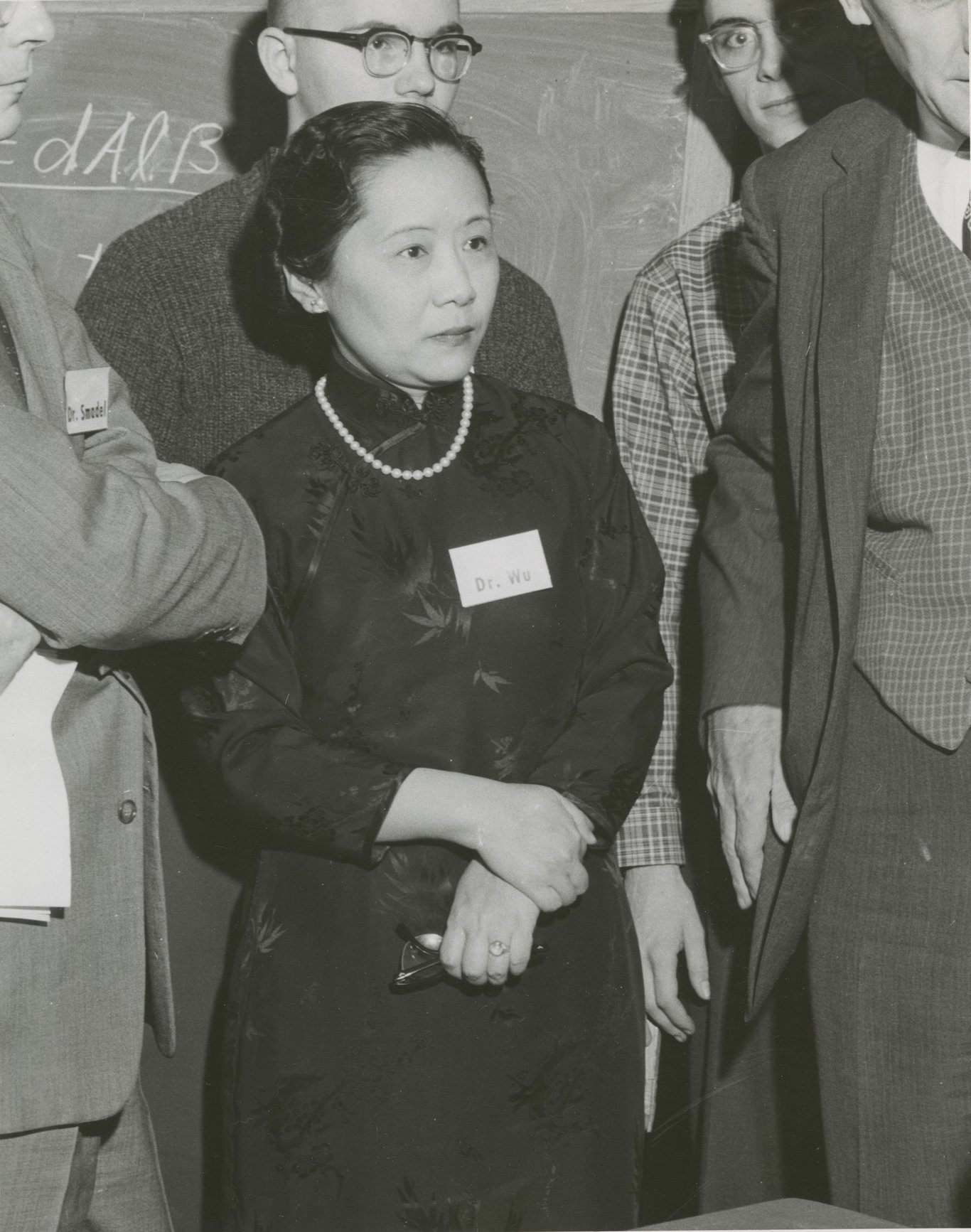
   著名科学家、物理学巨匠吴健雄女士,就在1929-1936年在南京国立中央大学读书,1936年8月赴美留学,侥幸躲过屠杀。而那些与她才华相近的同学、好友,许多就死在大屠杀中,女性更遭受无比残酷对待。本来这些死难者,也可能出现许多吴健雄那样的人、甚至更加骄人成就的人。

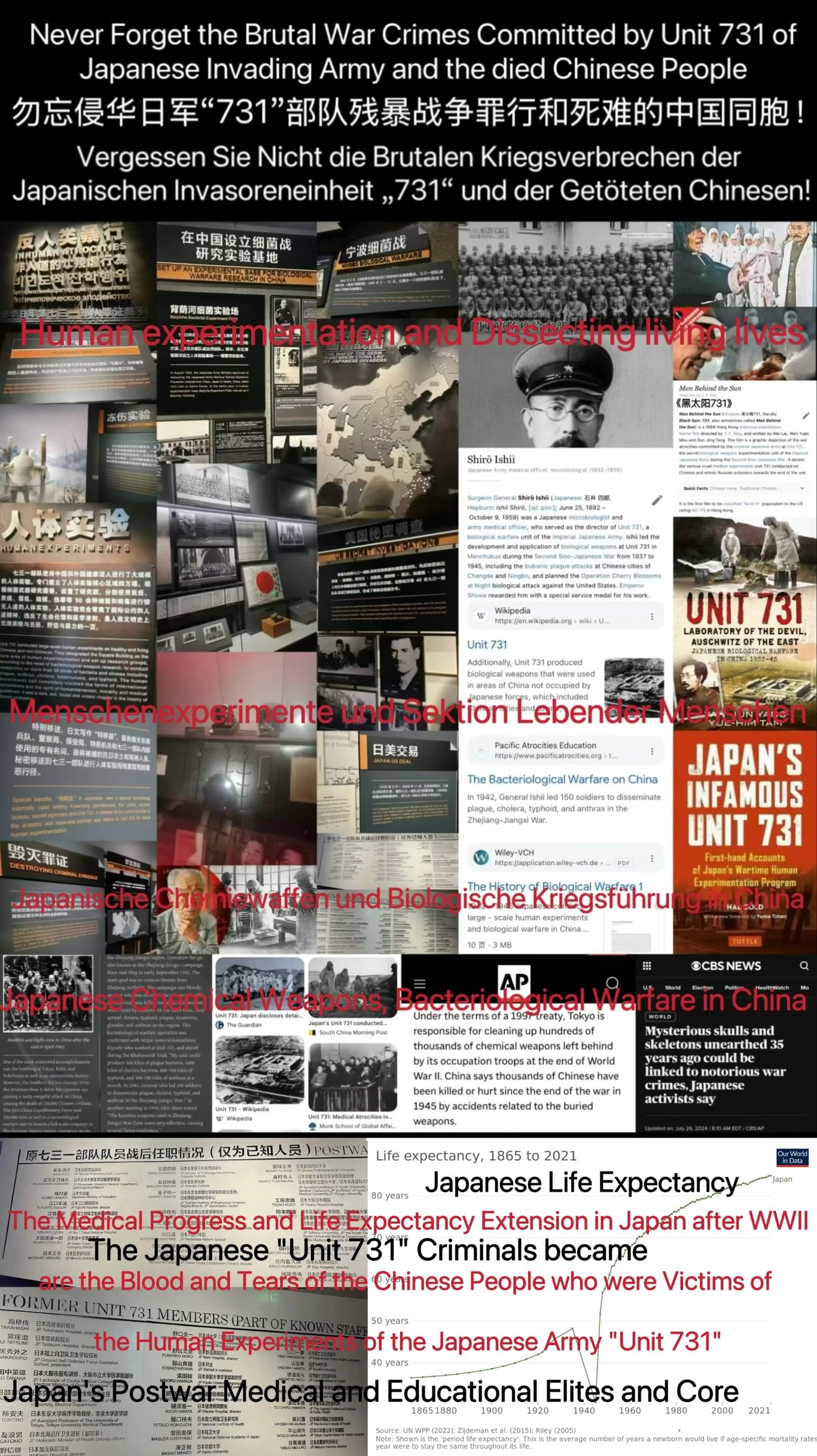
   而731部队人体实验、“1644部队”在江南多地的细菌战等,也是人类进入现代文明、获取高等科学技术之后,使用科技手段制造骇人听闻之恶的典型,受害者在死前饱受非人折磨。这些惨烈、特殊、令人格外震惊和愤慨的罪行,当然应当格外的铭记,并宣传其罪恶,告慰死难者和警示后人。

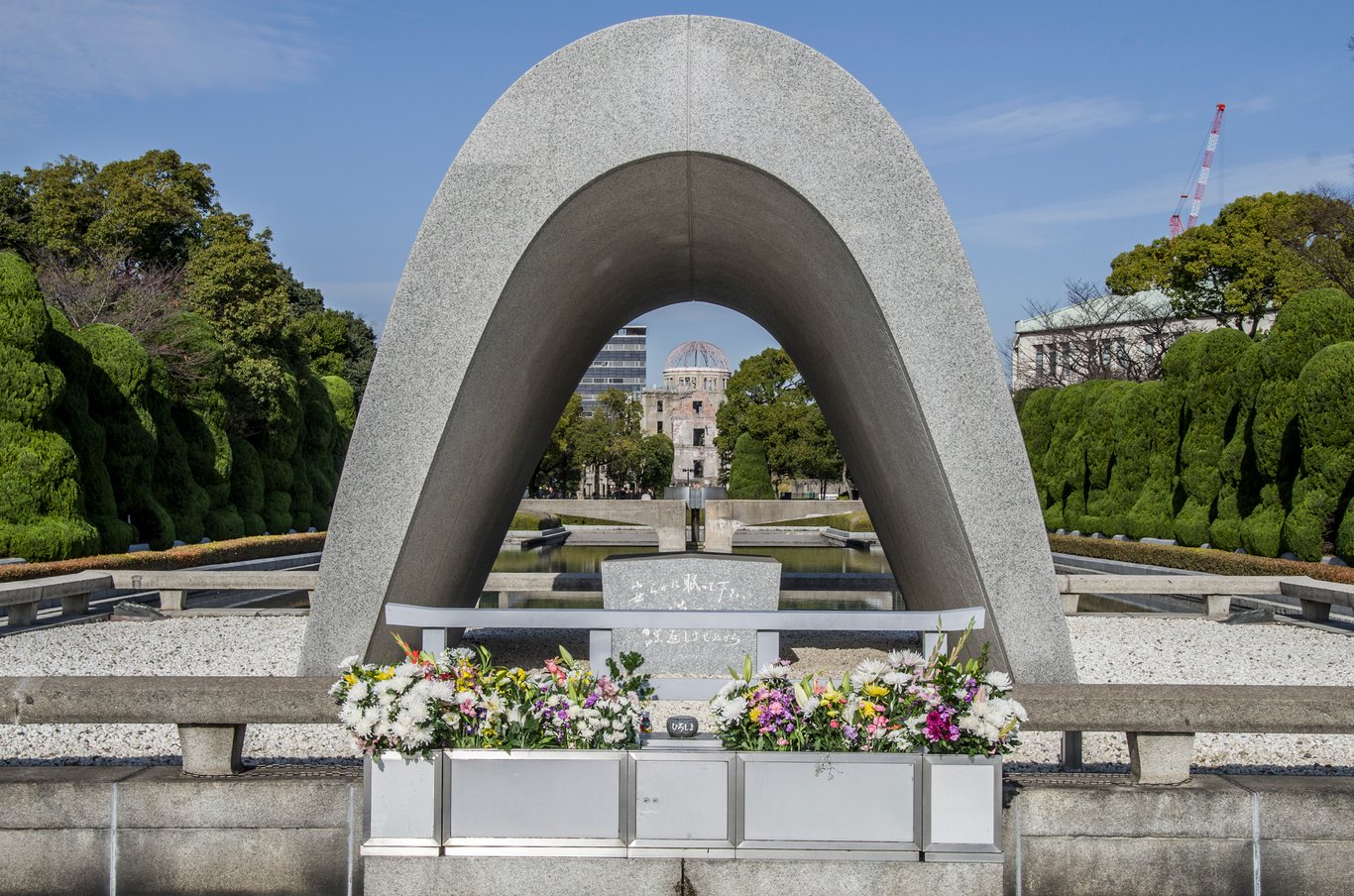
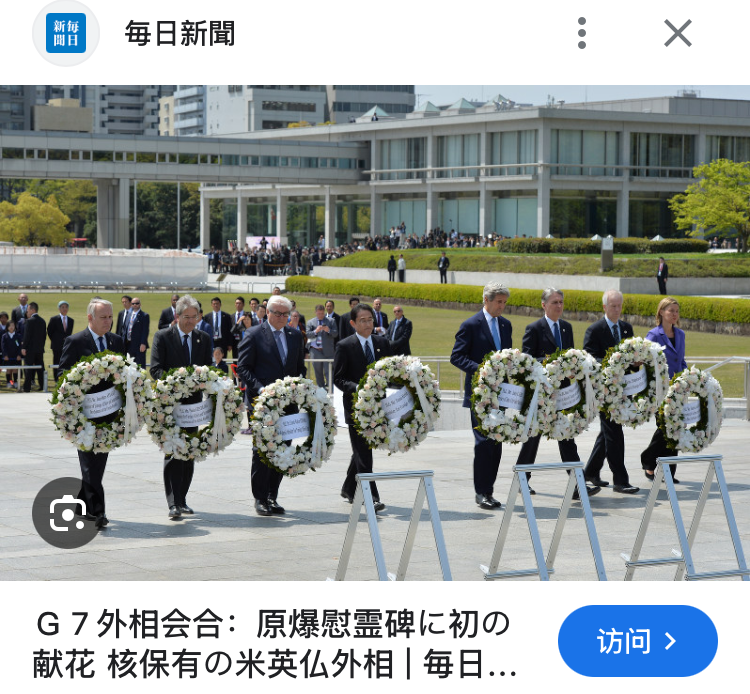
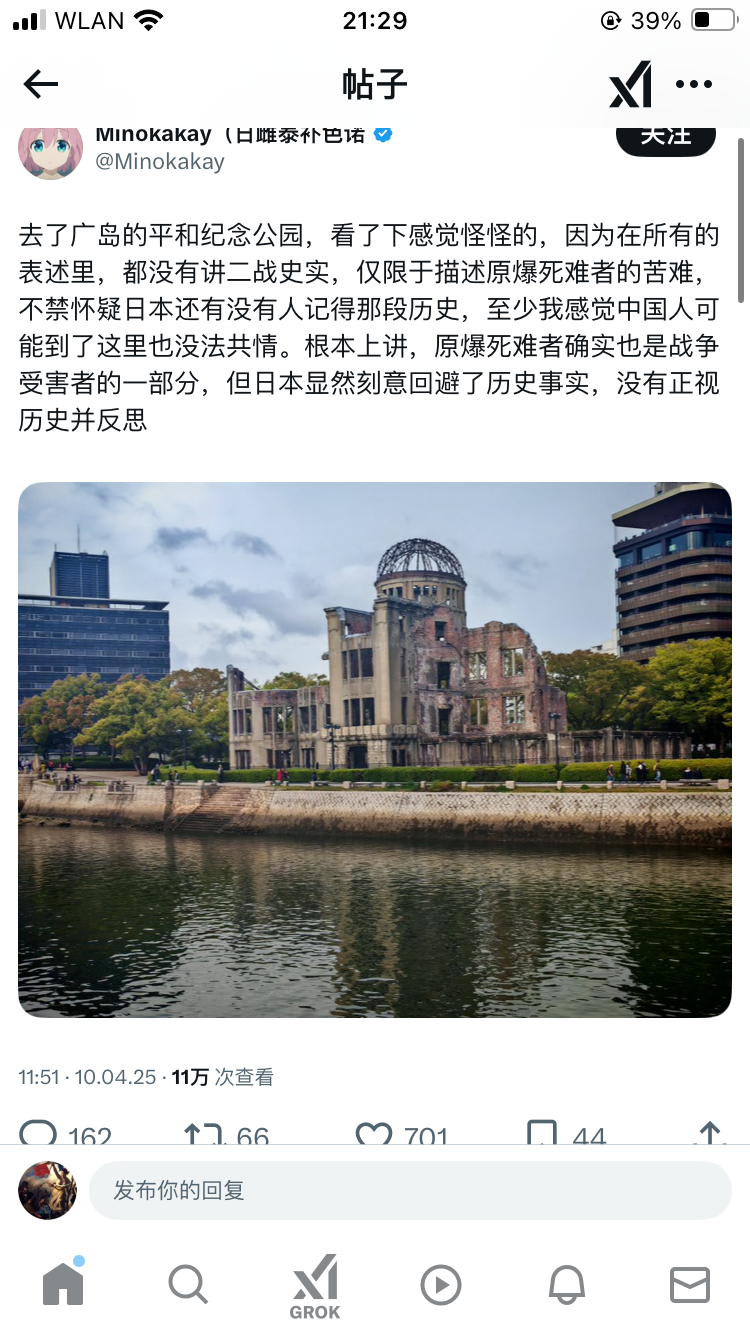
   更要提及的,是日本作为战争发起国、加害者,却长期纪念和宣传广岛和长崎遭受原子弹袭击的悲惨情况,并不避讳还大肆宣扬核爆受害者惨状,包括儿童、孕妇、老人在核爆中的惨况,以抒发日本人立场的情感、博得全世界广泛关注和同情、让日本在世界尤其欧美更受欢迎和尊重,并借此淡化甚至掩盖了其在中国和亚洲残暴的战争罪行。对于东京遭到轰炸、日本开拓团在中国东北(满洲)被苏军杀戮、日裔美国人在美国参战后被囚禁等,日本官方和民间也都浓墨重彩的宣扬。

  日本人对自己的“受害者”的塑造和宣传,取得了很大效果,不仅让这些日本“受害者”得到许多“告慰”,还在世界上塑造了日本国家民族的受害者身份、摆脱了1950年之前面对的残暴法西斯的道德枷锁和追责压力,争得了许多有形无形的现实利益。哪怕日本杀戮的中国人和亚洲人数量远超日本在战争中死伤数(日本侵略共造成中国、朝韩、东南亚等国共计6000万至一亿人死亡(如果估算上战后各种原因无法统计的,有更多间接死亡,那么数量更大),且大多数为平民,还有大量被日军强奸和欺辱者无法计入数字;日本国民仅死亡不到300万人,且大部分为军人,只有约50万平民死亡,且本土没有经过地面战。而另一法西斯轴心国德国有约700万人死亡,其中有至少200万平民),日本国民包括平民也广泛参与了对侵略战争的支援。而日本人对待盟军战俘(例如“巴丹死亡行军”)和平民,以及强征的中韩等国劳工,残酷程度都远超日裔被囚禁时仅仅失去自由而没有被虐待的状态。

   这样的背景下,如果中国等二战受害国不对南京大屠杀等悲剧加以纪念,不清晰直白、以有感染力的方式展示日本残酷暴行,就更加让日本颠倒黑白、扭转加害者和受害者身份、让世界上的人们对反法西斯战争正邪的认知错位、抗战受害者没有得到公正对待的情况仍然持续。在“没有硝烟的战场”舆论攻防战中,不去抢占舆论阵地,就会被对方占领,黑白就可能颠倒,是非就容易混淆,且现实已经有部分颠倒和混淆。只有持久坚定的发声、不瞻前顾后的勇敢展示,才可能在残酷的舆论对抗中,让历史最大限度接近真相、死难者得到告慰、国人情感得以抒发、正义不被扭曲和颠覆。通过非暴力的方式,如纪念活动、文化艺术展览、研讨会、媒体报道等方式,也正是同态复仇的替代方式,是为了不再以暴制暴,以发声和记忆化解怨愤、展示正义与和平的力量。

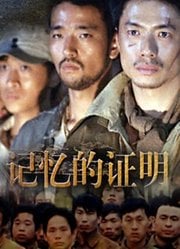
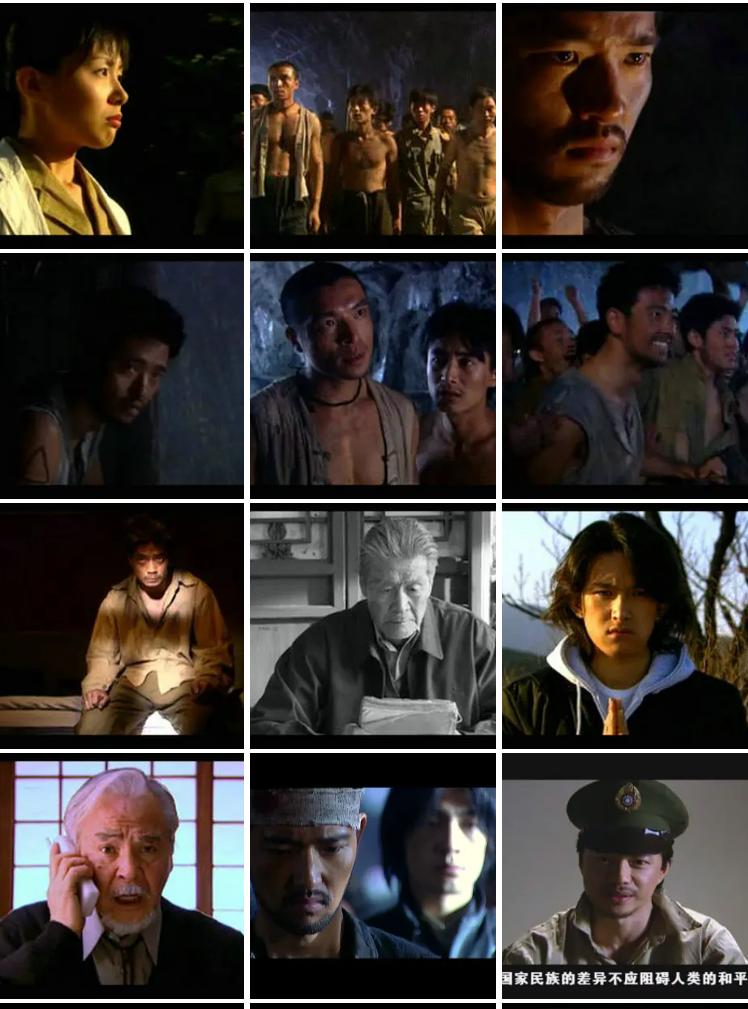
   相对于抗日战争的巨大规模、日本战争罪行的恶劣和广泛程度,中国相关的影视剧和文化艺术作品,尤其直白反映日本恶行和罪责问题的作品,不是太多了而是太少了。虽然抗日影视剧看似不少,但大多数是粗制滥造、不仅没有正面意义,还娱乐化低俗化、侮辱了抗战牺牲者的抗日神剧,还有的是平铺直叙讲战争中军人对垒,而对日军戕害中国平民、造成的持久创伤、战后追责问题、人性反思、受害者命运等,就作品很少且质量不高。只有20多年前一部反映被日本强征中国劳工的《记忆的证明》质量相对较高。

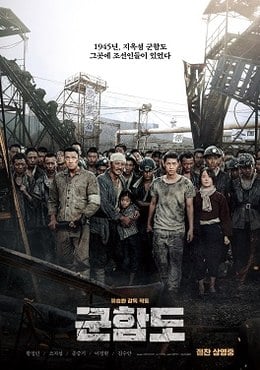
   但更多关于日本侵略屠杀、强奸、破坏,以及强征“慰安妇”与劳工、掠夺文物等,拍摄远远不足。尤其相对于韩国制作大量抗日影视剧和文化作品,包括《军舰岛》、《暗杀》、《京城怪物》等,中国显然极为不足。这既是中国官方审查和压制的原因,也在于缺乏足够文化工作者和社会精英积极参与。

  当然,记忆历史确实不能简单和反复的展示与舔舐伤痛,在仇恨和不甘中痛苦,而应该更加丰富纪念的内容,每年每次纪念,都有新的角度、更多的意义与启发,而不只是带来伤心与仇恨。世界许多国家纪念历史,如欧美反思殖民和种族主义、台湾和韩国回忆威权压迫,每年都有新的主题。韩国对日本殖民罪恶的批判,往往也不断有新角度新方式,不断唤起和激烈韩国人的正义感与自强精神。中国大陆当然也可借鉴。

    第三,之所以过去80年了,还要纪念抗日战争,既是因为历史不应因时间推移而淡忘,还是因为1949年后数十年(尤其毛泽东时代和邓小平时代)对抗日战争的遗忘、淡化,对抗战英雄的杀戮、迫害,对侵华受难者的压制、贬损,长期的记忆与纪念空白,巨大的不公与遗憾,而应做的矫正、弥补。且日本几十年坚持纪念和宣传广岛长崎核爆、塑造“受害者”身份,中国更不可遗忘历史、放弃宣传,必须争夺对抗日战争及二战的话语权。

  如前所述,纪念抗日战争与抗战牺牲者,既是出于对先烈的敬意,也是对先人的缅怀。数千万中国人的牺牲、数亿中国人的受难、改变中国和世界历史并持续至今的影响,都充分的告诉人们要纪念抗战。这样的纪念,不应因时间推移而消失、淡忘。

   虽然现实中,随时间推移,历史上的人和事不可避免的会变淡、让今人越发感到遥远。但人们仍然要努力追溯历史、留住记忆,让重要而珍贵的东西不在历史长河中湮灭。抗日战争及牺牲者,显然是不应被湮灭的。即便过去80年,仍然要纪念。且正是80年这个时间,尚且还有一些亲历者、幸存者,也要走到生命终点,再不纪念更来不及。

  而之所以抗日战争已过去80年,中国人民和国际友人仍然要隆重的纪念、浓墨重彩的宣传、以各种方式为英雄烈士致敬、对逝去的同胞哀悼,还在于之前几十年,尤其1950-1990年代,因为多种原因,中国大陆对抗日战争与牺牲者的遗忘、对发声纪念的压制、对历史证据的毁损,需要在当下和未来矫正和弥补。

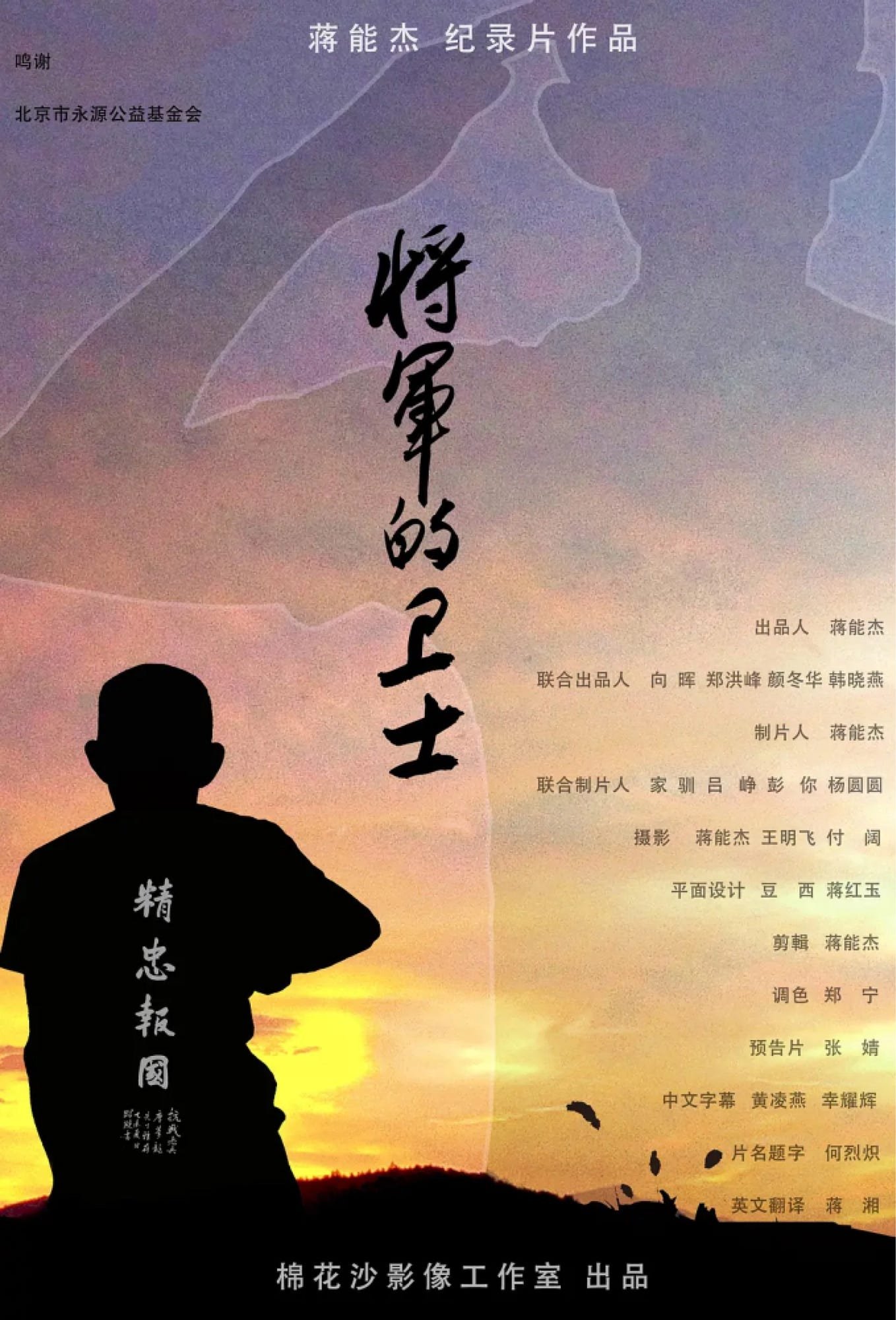
   笔者去年曾在另一篇评论国军抗战英雄的文章《将军的卫士》中,简单讲述过毛泽东时代和邓小平时代对抗日战争纪念的回避和淡化,笔者在此再次简述和评论这一重要而被忽视的历史情况。

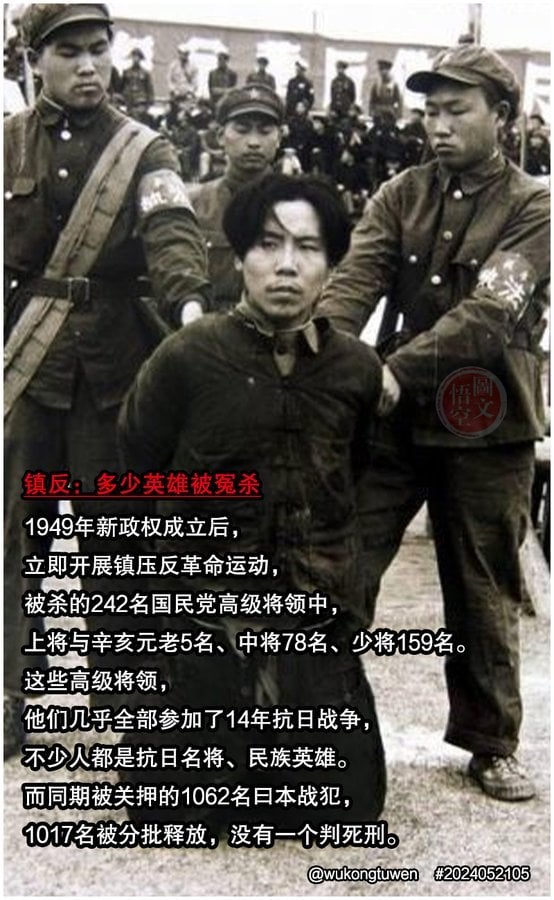
   1949年中共建政后(尤其1950年朝鲜战争爆发和中共参战后),政权的宣传导向是阶级叙事,一切“以阶级斗争为纲”,宣扬工农无产阶级反抗地主和资本家,否定民族主义,并将死敌蒋介石及国民党加以全盘否定和贬损(称之为“国民党反动派”,将国军核心力量中央军称为“遭殃军”),并大肆杀戮包括抗日英雄在内的国府、国军、国党人士。

   尤其1950-1954年集中进行的“镇压反革命(镇反)”和“肃清反革命(肃反)”,杀戮数百万人,大多数都是国民党军警、官吏、党员,其中大多数都参与过抗日,包括许多革命元老和抗战英雄。如潘峰名、尹作干、曾宪成、刘晴初、杨健民、周伯英、林芝云、曹森……纷纷被处决。

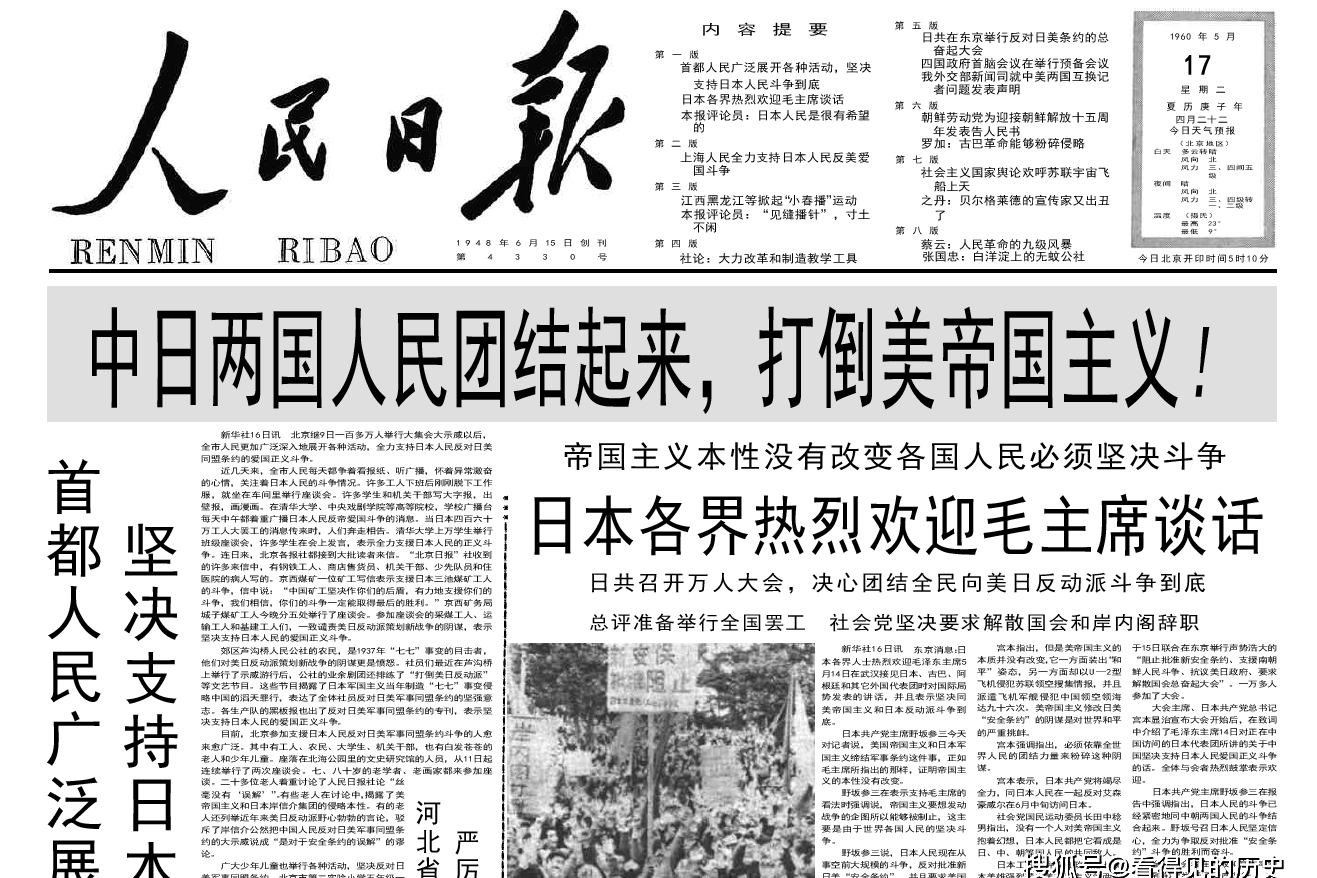
  而中共对外政策突出的两点,一是联合包括日本在内各国“无产阶级”、“进步力量”实现“世界人民大团结”,二是反对“美帝国主义”。中共中国将二战中帮助中国击败日本的美国视为死敌,断绝往来和全面敌对,并同时与英法意德(西德)等西方国家对立。1960年代后中国又与苏联决裂,称苏联为“苏修(修正主义)”,与苏联陷入长达20多年的敌对。

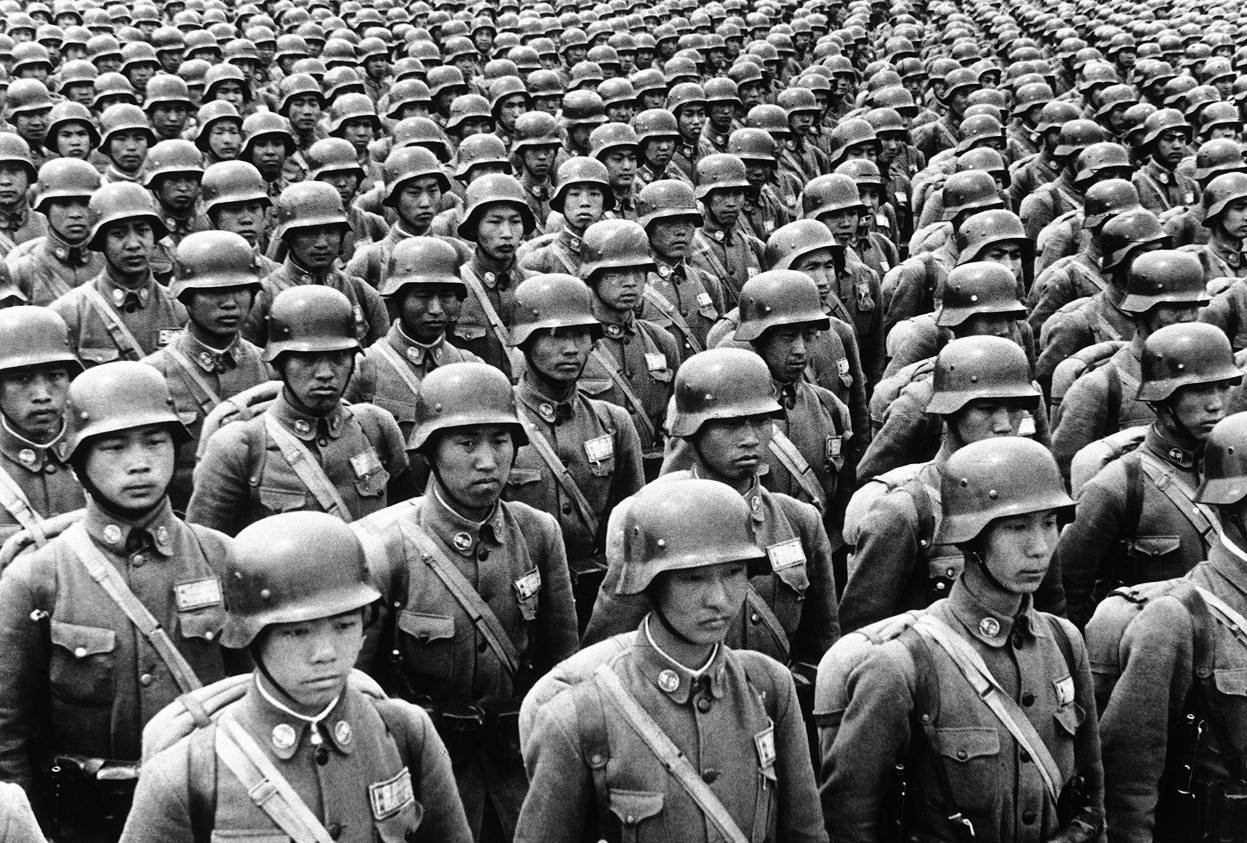
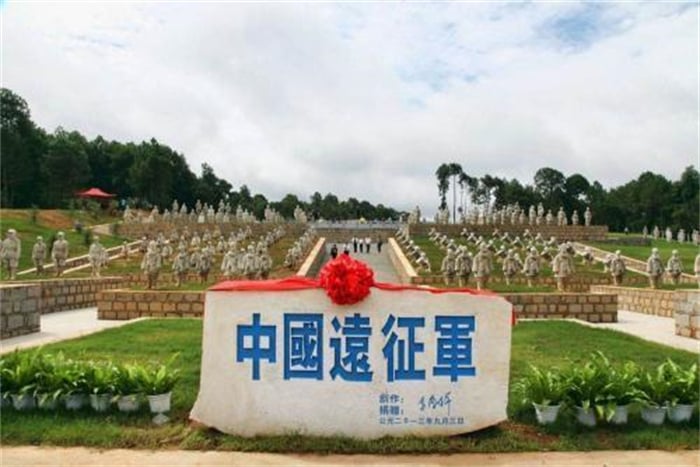
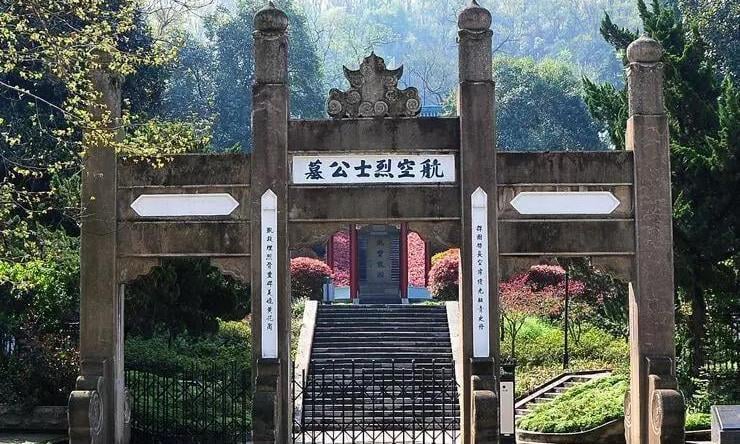
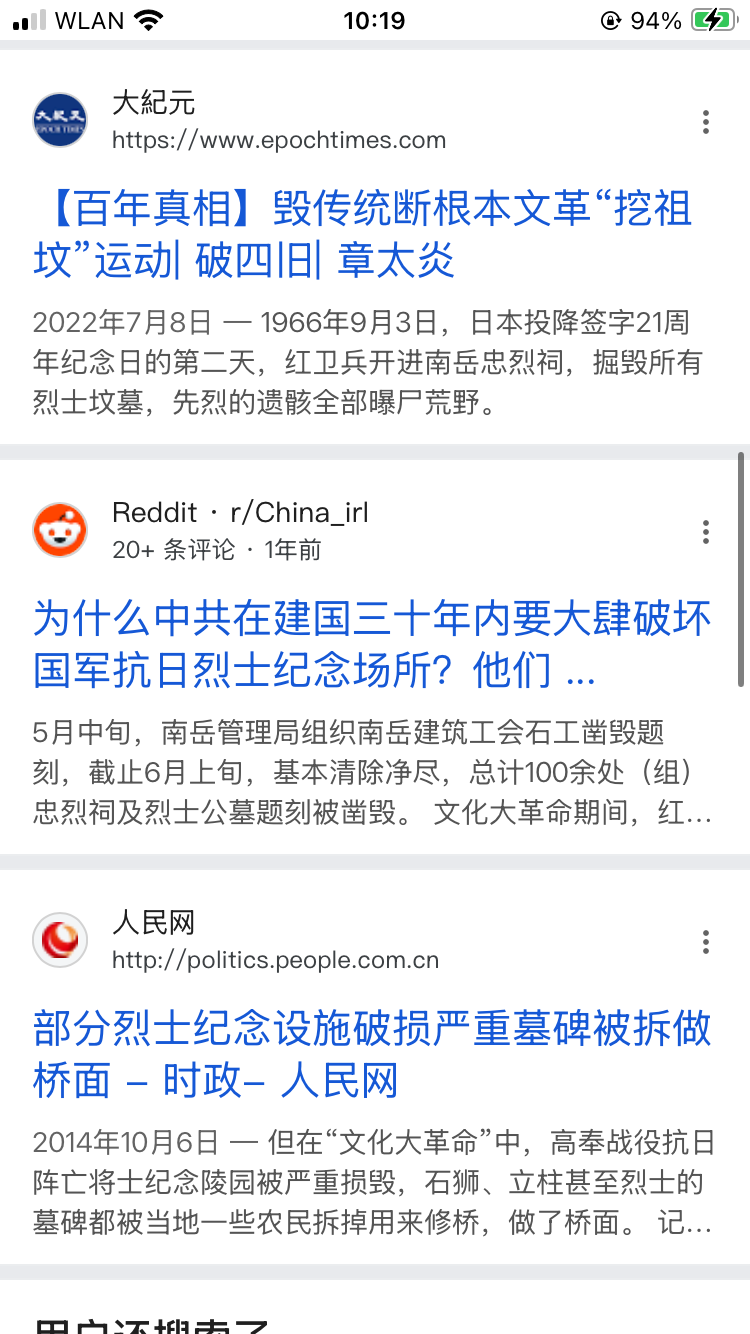
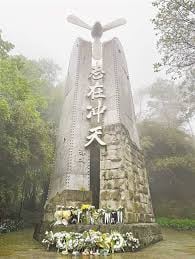
  这样的背景下,1950-1970年代的中国,本是中国头等重要的历史记忆、同时也是重要且未完结的现实问题(对日追责和赔偿尚未结束)的抗日战争,几乎完全消失在了中国内政外交和主流舆论中。这20多年里(以及之前国共内战期间),许多中国抗日官兵和参与抗战的平民死于内战、镇压、饥荒,幸存者也在贫穷和绝望中苟活(而本来他们应该得到荣誉、有光明前程)。中国各地纪念国军抗战的纪念碑、墓地,纷纷被捣毁,如湖南南岳忠烈祠、云南松山远征军墓地,墓碑被砸毁或磨平、尸骨被挖出和散落、祭奠的烈士花名册永久遗失。甚至像国军新一军在广州的纪念塔,被改建为多层厕所,直到2013年才拆掉厕所。在那20多年,抗日战争的记忆被悄然抹除、证据逐渐灭失。

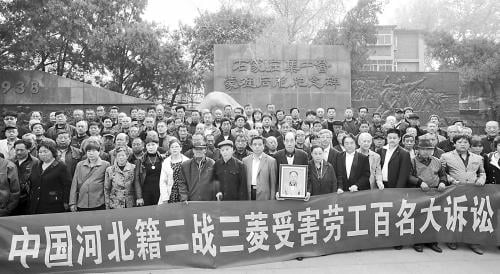
   南京大屠杀、731部队人体实验和“1644”部队细菌战等罪恶、华北“三光”政策、强征“慰安妇(性奴隶)”、掳掠劳工等,许多日本战争罪行及造成的悲剧,被尘封起来。即便偶尔提及,也只是在边缘角落、服务于政权某些目的。参与东京审判的法官梅汝璈还因记述南京大屠杀等日本罪行问题,被扣上“煽动民族仇恨”、“破坏中日关系”等罪名遭受批斗。被日军强征的中国“慰安妇”幸存者,不仅饱受歧视,还因“给日本人做妓女”等罪名判刑和劳教(若没有白纸黑字的调查,这样的事人们都不会相信)。文革期间,南京大屠杀被红卫兵说成“杀国民党”,自然不被纪念。也正是因此,包括南京大屠杀在内的日本侵华罪行,没能在收集证据的黄金时期加以收集、记录、保存,许多证据灭失、证人死亡。这正是导致日本右翼否认或淡化南京大屠杀等罪行、相对犹太人大屠杀证据相对较少和不充分、重启调查和纪念后面对许多证据缺失和困境的历史原因。

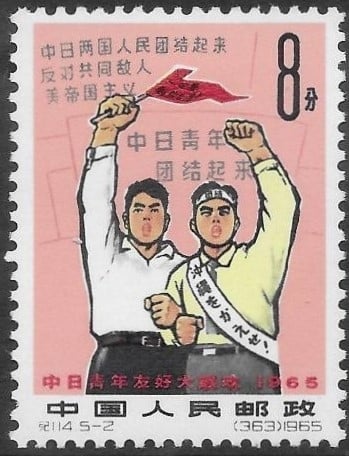
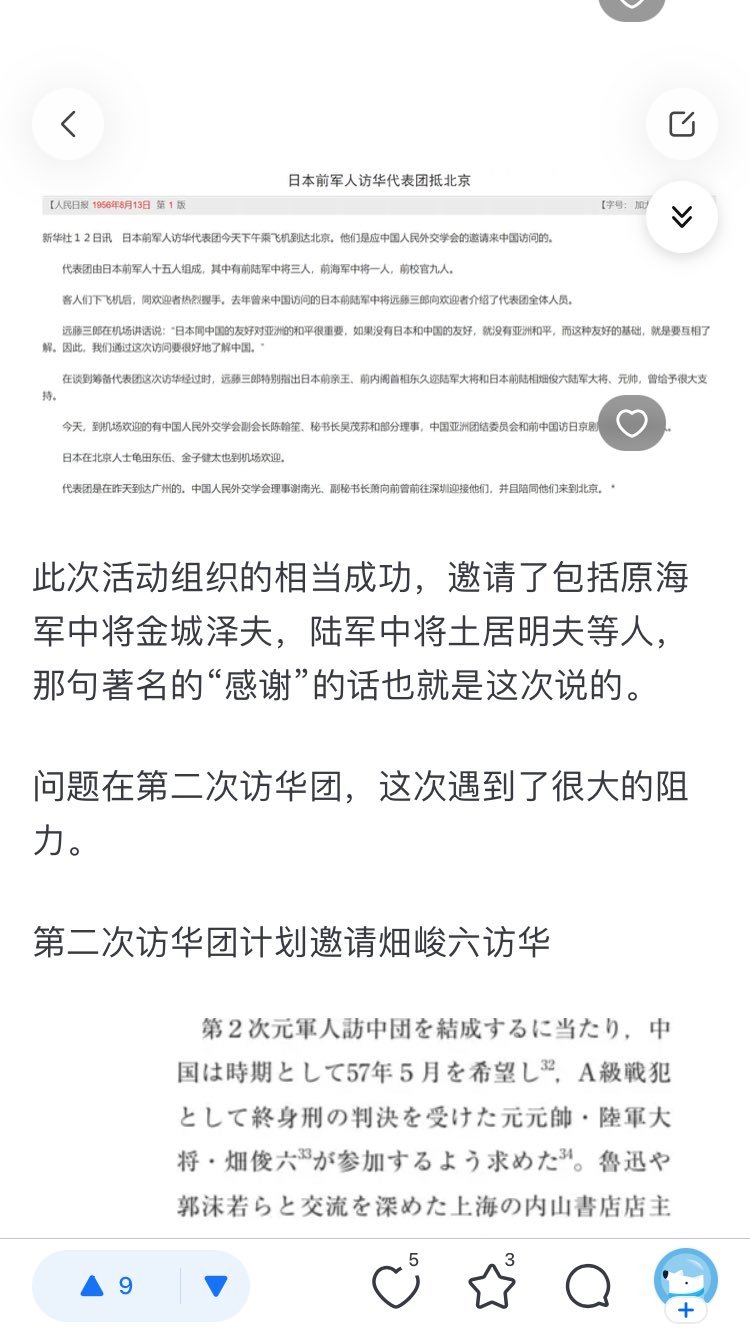
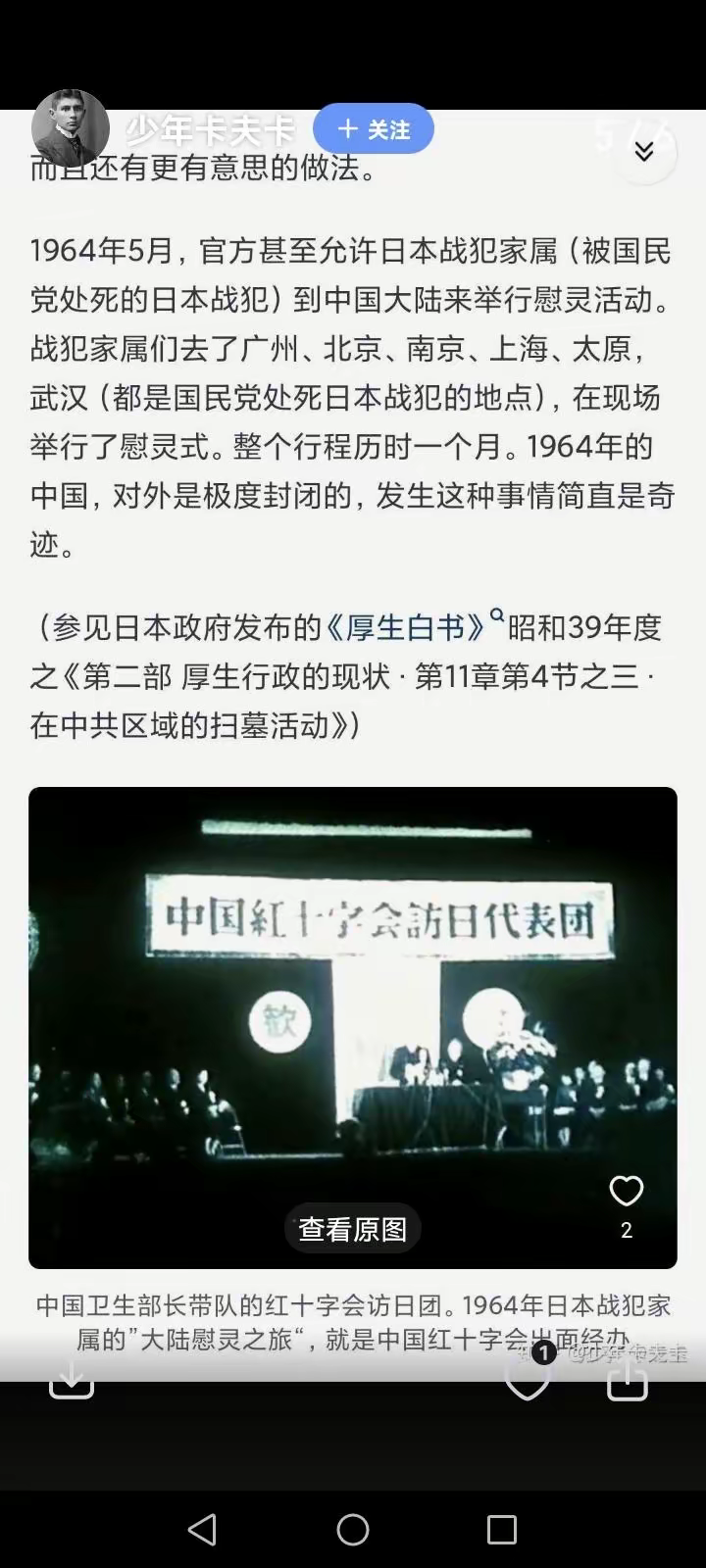
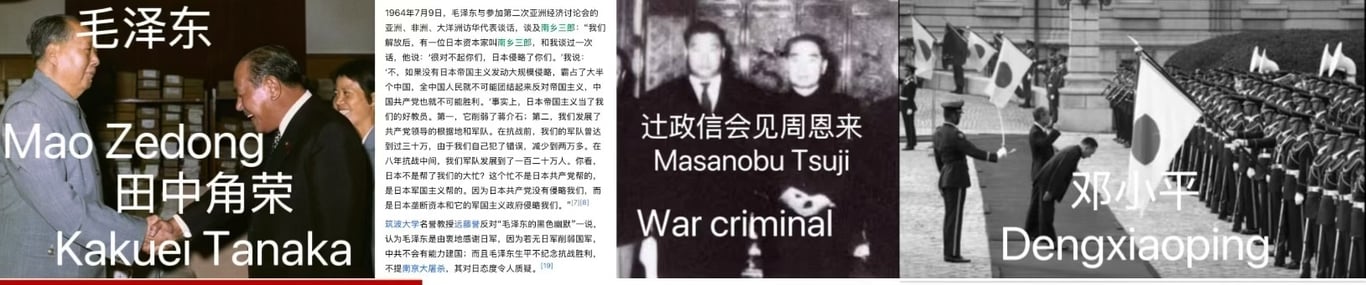
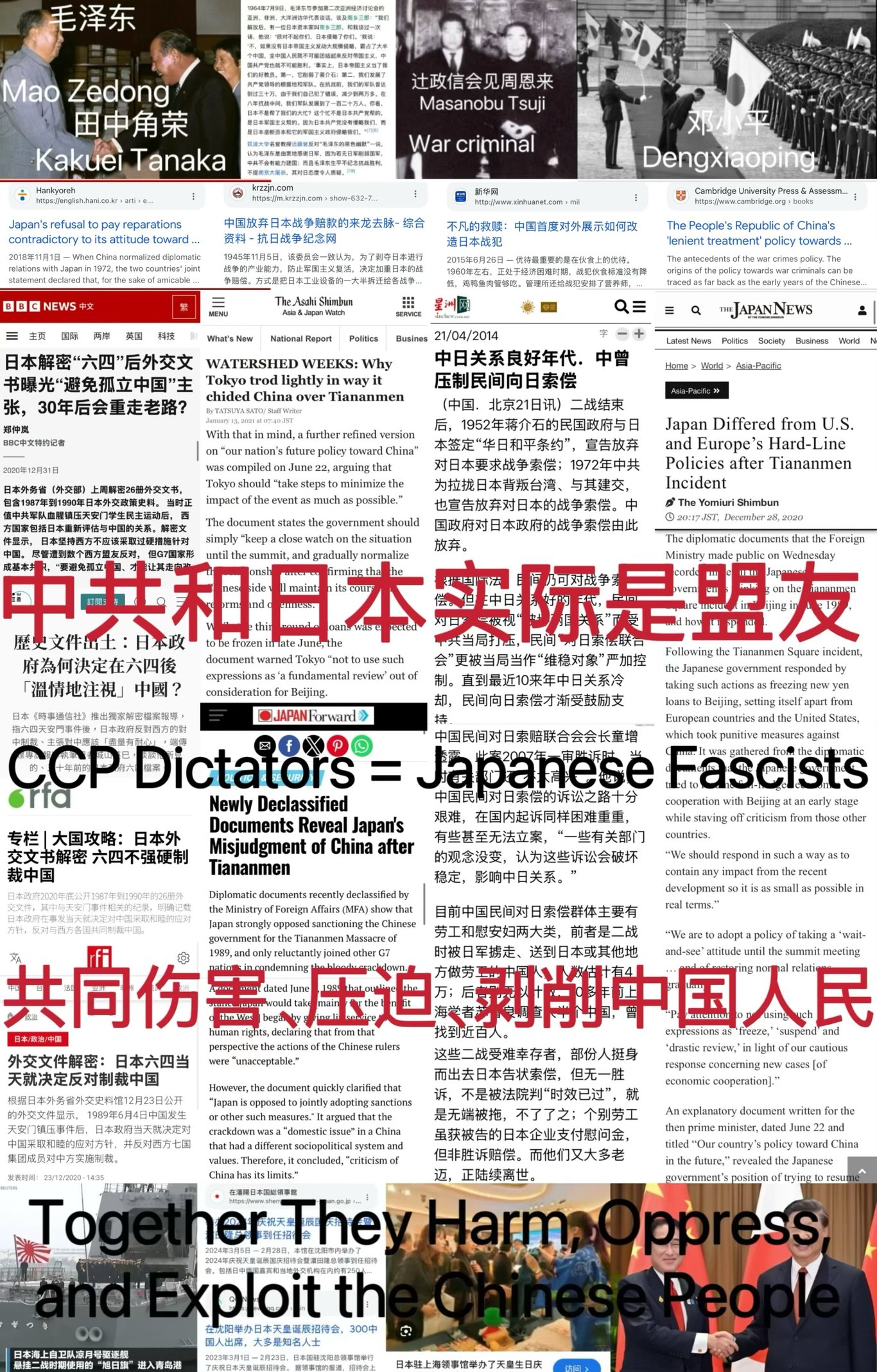
  在外交、外宣上,中共集中资源宣传毛泽东思想和共产主义、对抗美帝国主义,中苏决裂后又同时对抗美苏,而日本却成了拉拢对象。无论优待和释放犯下种种罪行的日本战犯、邀请旧日本军人访华、允许死于中国的日本侵略者家属和战犯家属来华祭奠、谴责美国在广岛长崎投下原子弹(而同时只字不提南京大屠杀)、支持日本反对美帝和收复琉球、支持日本反苏与收复北方四岛,中日不仅不是敌对关系,还是亲密朋友。

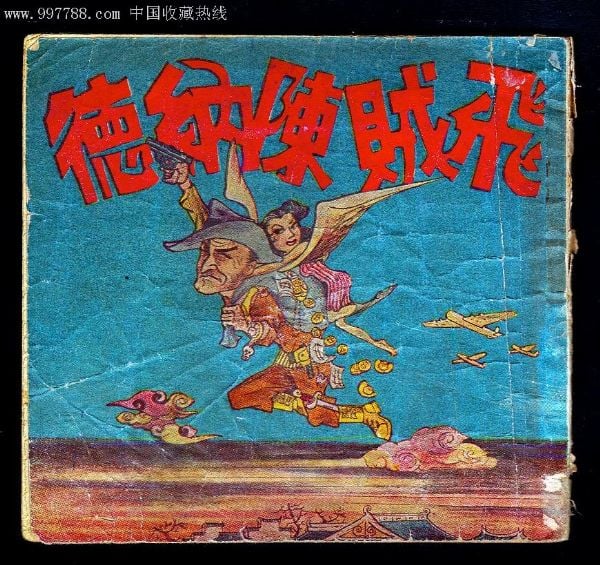
   这样的背景下,当时的中国更不向国际宣传抗日战争,还完全断绝了与支援中国抗日的各国相关人士的联系,甚至将陈纳德等援助中国的外籍人士丑化和批判。于是,作为国际反法西斯战争中贡献仅次于美苏、付出牺牲仅次于苏联、反法西斯核心国之一的中国,在国际社会纪念二战和涉及抗日战争的问题上,几乎完全缺席、空白。

   所以,在毛泽东时代,无论在中国国内还是国际舞台,中共中国都几乎完全的有意抹除抗日战争、压制抗战参与者和亲历者的声音、抹杀抗战记忆,让这一极为重要的历史事件和相关现实问题几乎从中国消失、从中国人生活中消失。

  而退守台湾的国民党政权,因为控制区域仅剩台澎金马,实力剧减、势单力薄,又面临反共第一的形势需要,且同样需要拉拢日本,虽未刻意毁灭抗战记忆,但也高度淡化了抗日战争的纪念和宣传,集中力量“反共防共”。这意味着两岸都没能在抗日战争纪念与宣传的黄金时期,纪念这段对于汉族和中华民族极为巨大、怎样都不该抹杀的历史,告慰受难同胞。

  而相反,日本却在1950年朝鲜战争爆发后,迅速得到美国扶植、苏联拉拢、中国的中共与国民党双方共同的讨好,摆脱了被分割占领和全面追责的命运,国家极速复兴,经济科技和文化教育都以惊人速度恢复。相较于德国及其他遭受严重破坏的国家,日本本土只经历空中轰炸而没有遭受地面战,绝大多数工业基础未遭破坏,国民也被保全。日本也迅速恢复了对亚洲各地的影响,无论中韩还是东南亚,二战结束前遭到日本侵略屠杀的各国,重新被日本的经济贸易影响、政治外交渗透。

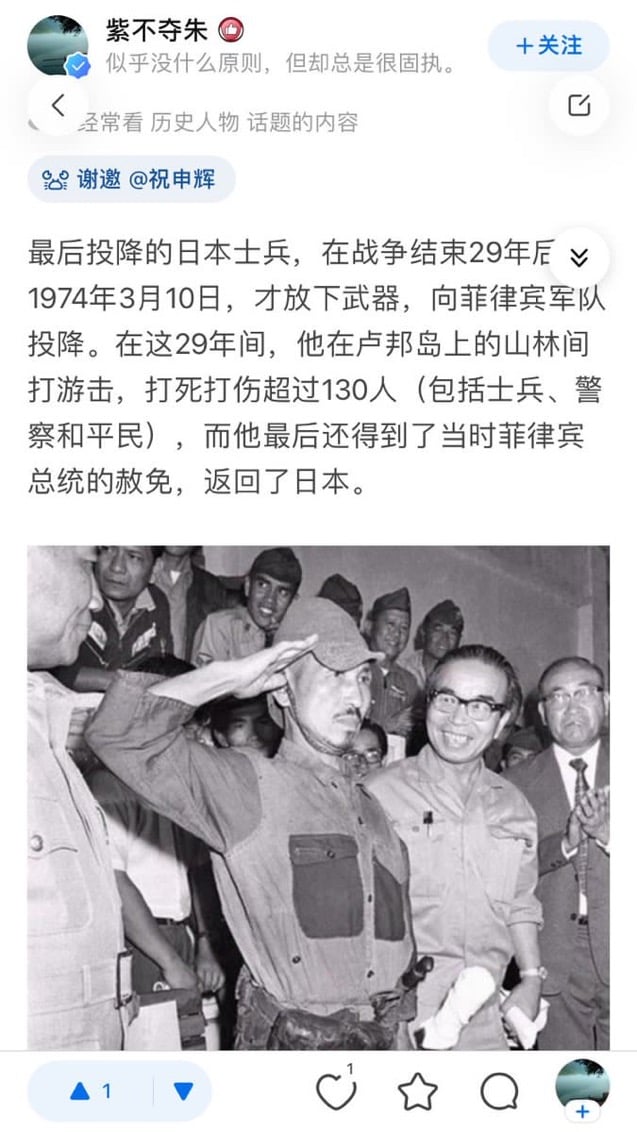
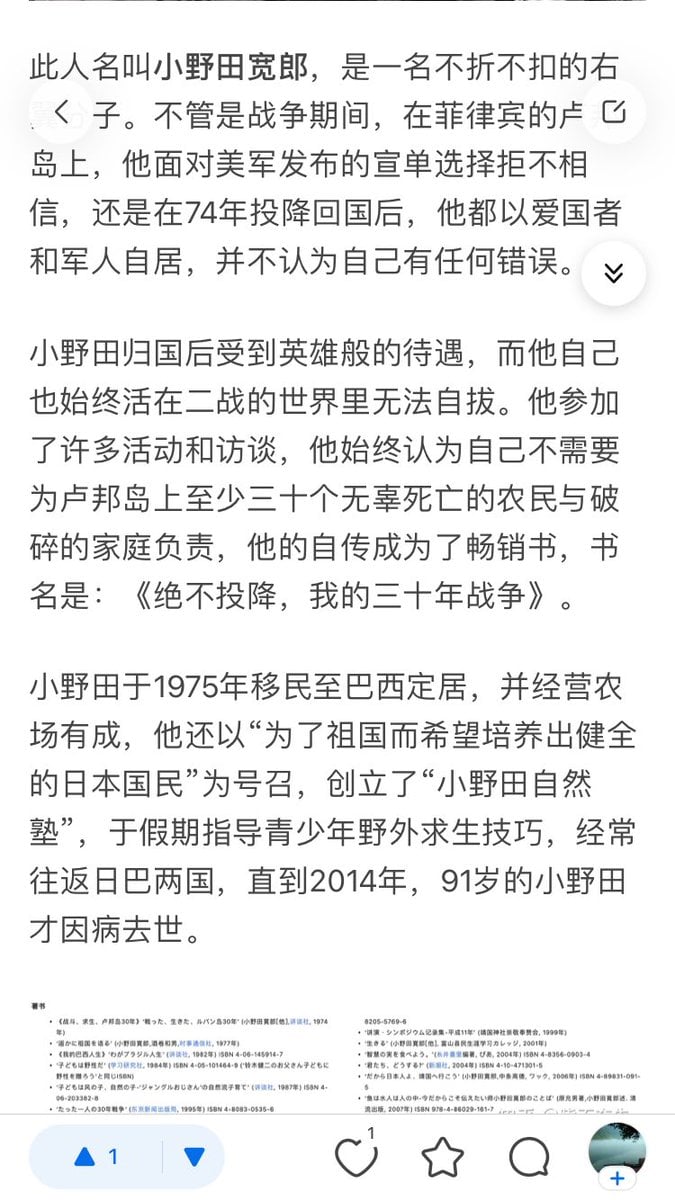
  当经济复苏、社会安定后,日本反而有了足够财力物力、便利社会条件、良好的外部环境,纪念二战期间死亡的军人和平民,不仅在日本国内、更在全世界宣传广岛和长崎的悲剧,在琉球(冲绳)、硫磺岛、瓜岛等地为战死日军树碑立传,给日本侵略军人发放津贴,并通过文学艺术包括拍摄纪录片和影视剧、制作漫画和动画,美化日本侵略战争、甚至颂扬日本军人的勇武(如电影《啊,海军》和《激动的昭和史》系列等)。1970年代从菲律宾、关岛等地被发现的残留日本兵,如小野田宽郎、横井庄一等,回日本时受到国民盛大欢迎(而同时,中国的抗战英雄被批斗、被迫自杀,如抗日将领陈长捷、“飞虎队”中国籍军官周训典,以及难以计数的普通抗日官兵,甚至如“狼牙山五壮士”等中共抗日战士也惨遭迫害)。日本还在1964年举办奥运会,日本头号战犯裕仁天皇为奥运揭幕。日本也成为仅次于美国的世界第二大经济体并保持30多年,文化和影视等“软实力”也冠绝亚洲和影响全球。

   经济繁荣、国力强大、文化昌盛的日本,也在国内和世界重塑二战中日本与亚洲的历史记忆。1945-1949年垂头丧气、国家崩溃的短暂低迷、“一亿总忏悔”的服罪不再,利用广岛和长崎核爆打造的“受害者”身份,不仅绝大多数日本人认可,还得到世界范围的广泛认同。包括被侵略的中国、韩国、东南亚各国,都因为经济、政治、地缘关系、意识形态等需要及不得已,部分承认了日本的历史叙事、还压制本国国民的抗日记忆和历史主张。2024年,日本核爆受害者团体还获得了诺贝尔和平奖,又是日本利用核爆“受害者地位和“和平”的名义,占据二战话语权的一个例子。

  于是,二战后的日本既赢了战争的“里子”,即战后取得巨大经济成功、文化软实力成就斐然、国际影响力增强,又赢了“面子”,即战争受害者身份被认可、得到国际同情尊重,参战老兵(只要熬过1950年代的)饱受尊重颐养天年,实际上俨然是真正的“战胜国”。而且日本也一直否认战败,官方和多数民众一直以“终战”称呼1945年投降和战争结束。而中国才符合“战败国”的各种特征:内部贫困动乱、人心败坏、身份认同混乱、同胞相残、国际上被孤立、战争受难者得不到正义、抗战英雄被迫害甚至杀死、幸存者在贫穷和无尊严中苟活。

   这就是中共夺取中国大陆控制权的后果、毛泽东时期对待抗日战争的情况及恶果。而这些恶果的缘起,也是日本侵华摧毁正常发展的中华民国、国民政府遭受沉痛打击而致。

   毛泽东去世后,经过短暂过渡,邓小平时代到来。这时的中国,从极度不正常的状态走出,抗日战争不再是禁忌般的议题,国民党及国军的抗战功绩也开始被正视。但这时,贫穷的中国百废待兴,中共也需要提振经济、拉拢外援来维系统治。高度富裕繁荣的日本,就成了邓小平和中共拉拢对象。

  于是,邓时代虽不像毛时代完全不提抗日战争,但抗战仍然被淡化、搁置。中共通过压制抗战纪念,拉拢日本获得各种投资和技术,以及在国际上争取日本对中共中国的支持。邓小平时代对于“中日友好”的打造比毛时代更胜一筹,日本对华影响力也更强、渗透更广泛。而“中日友好”主旋律下,日本并未真诚悔罪和赔偿,受害者幸存者仍然被噤声或被迫参与“中日友好”。这虽然确实换来日本经济技术援助,促进了中国经济发展,但牺牲了正义、以受害者和幸存者血泪为代价,且归根结底还是为中共统治。

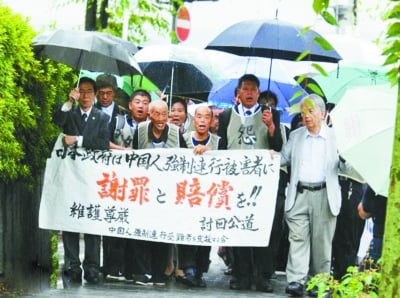
   对于中国被日本强征劳工、“慰安妇”的幸存者争取赔偿的维权,谴责日本战争罪行的抗议,中共官方都是百般打压阻挠。只是在香港、台湾一些人士及日本少数正义人士的帮助下,这些维权和追责才勉强进行,困难重重。

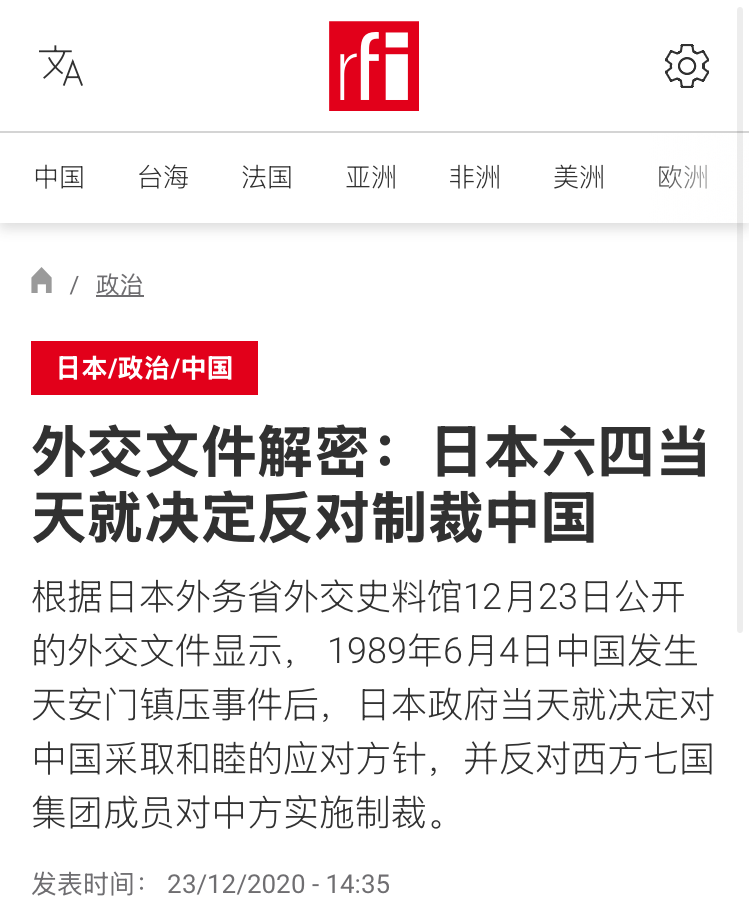
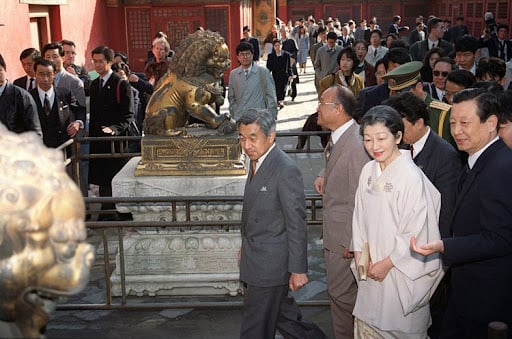
  1989年六四事件发生后,中共面临国内不满和国际制裁,又在道义上严重有亏,于是更加拉拢日本、放弃追责、放弃要求日本天皇和首相正式道歉,还邀请裕仁之子明仁天皇访华,以打破国际孤立、继续争取援助。

   直到1990年代末期,中共实在无法再完全压制民间对纪念抗日战争的诉求、中国人民尤其港台及海外爱国华人华侨的强烈要求,以及中共以爱国主义和民族精神凝聚人心的统治需要,才开始较正式和隆重的纪念抗日战争。

   但这时,大多数抗日战争亲历者已经去世,纪念抗日战争、支持抗战亲历者控诉、解决日本侵华诸多历史遗留问题的黄金时期,已经不可逆的错失、过去。

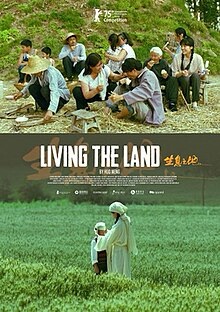
   而且,即便从1990年代末至今,中共中国对于抗日战争的纪念、日本战争罪行的披露和谴责,对当今日本继承二战前法西斯主义的行径的批判,仍然是颇有保留的。如反映二战期间中国山西籍“慰安妇”万爱花等人被日军强暴经历、战后又难以讨还公道的纪录片《渴望阳光》,在日本虽受右翼压力和滋扰仍然得以放映,但却一直未在中国国内播映。还有不少类似批判日本罪行的作品无法在中国展示。这既是继续有求于日本,也是维稳需要。

   而同时,因为日本在国际上远比中国更有影响力(尤其软实力)和更好国际形象,且和美国结盟,而中国因为各种原因在国际上仍然孤立、尤其与主导国际的美欧西方国家对立,抗日战争及抗战中中国人民的苦难和对国际反法西斯的贡献,被国际社会严重忽视和边缘化,未得到与付出和贡献匹配的关注、同情、补偿。而国际形势上中国的不利和日本的优势,也反过来影响了中日两国国内对历史的态度和记忆。

   中共建政以来数十年,抗日战争被遗忘、回避、淡化,许多死难者死不瞑目、幸存者再遭伤害、抗日英雄蒙冤受屈、抗战历史长期被国人淡忘、中国人民在反法西斯和创立人类新纪元的贡献、付出的代价、牺牲者们被国际忽视……这样的背景下,当今和未来的中国、国人、散落全世界的华人华侨,自然应当竭尽全力对逝去的历史、被损害的过去、种种缺失与遗憾,加以弥补、追忆、代偿。

  中共政权从曾经压制抗战纪念到较重视纪念,确有利用纪念抗战增加自己支持度的考量,但这显然不应反对而应支持。就像中共结束文化大革命和敌对西方的外交政策、实行改革开放、吸引外资和技术,也是为政权续命,但中国人难道宁可继续文革暴虐和闭关锁国,也要拒绝改革开放吗?对于中共所做的主观为其统治但客观也有利于中国和中国人民、符合道理和正义的事,包括反对派在内其他的中国人当然应该选择支持,而非阻挠和破坏。

   当今中国人民纪念抗日战争,不仅只是今日的纪念,也是对之前几十年尤其毛时代未能纪念抗战的弥补,是追悔前过,是为了忘却的记忆。想想抗日战争中中国人民的绝望、抗战官兵的勇敢顽强、战后几十年的死不瞑目和忍辱偷生,当今的中国人有责任和义务,为先人和同胞做些事,哪怕已无法挽回曾经的灾难和遗憾,也仍然要尽力而为。如果在80周年时不能认真纪念,未来将更少抗日战争亲历者,抗战历史也更加成为遥远而淡漠的记忆。

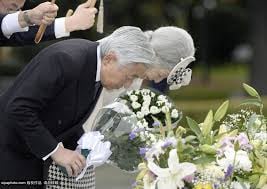
   同时,日本每年都纪念广岛和长崎原子弹爆炸死亡者、纪念二战中死亡的几百万军人和平民,天皇和首相都会出席仪式,全国都隆重悼念,几十年没有间断。而作为被侵略而英勇反抗、为国际反法西斯战争作出巨大贡献的中国,怎能遗忘历史、不加纪念呢?

   在二战时的欧洲,纳粹及其盟友屠杀600万犹太人,战后无论犹太人主导的以色列还是全球各地犹太人,都努力加以宣传、纪念,不仅最大程度告慰死难者,也为自己争取了巨量的同情帮助及现实利益。犹太人再也不像两千年里到处被驱赶和奴役,得到了大多数国家的尊重、理解、保护(当然关于巴以问题、阿以问题,是另外的事,笔者同情和支持巴勒斯坦,但这与纳粹大屠杀及犹太人的抗争要分开讨论)。而二战期间死亡超过2000万、更多伤残和受害者的中国人、汉族人,却因长期未能纪念抗战和争取国际同情,在精神尊严和现实利益上应得的全都失去。前面几十年的失去难以追悔,但如今仍然勉强可以尽力亡羊补牢。如果自己都放弃争取同情支持,那么只会失去更多(无论物质利益还是精神所得)。

  而记忆历史,也是捍卫和平、对抗邪恶的前提之一。种种历史悲剧一再发生,很大程度在于人们遗忘过去、不能汲取教训。居安思危、未雨绸缪,没有历史警钟,如何告诫后人?而日本从未像德国那样真诚忏悔,还时时为军国主义招魂,种族主义和排外仇华气氛强烈,更需中国人警惕。如今国际重返丛林主义,各国家各族群都面临新变局的挑战。放弃对历史的记忆和立场,只会让日本更加嚣张和无顾忌,中国人民也会面对更多危险。

  第四,纪念抗日战争、谴责日本战争罪行、纪念抗战牺牲者受难者,与纪念中共专制暴政下的受难者、大饥荒/文革/六四等悲剧死难者,以及关注当下养老金、烂尾楼、政治犯等人权问题,并不矛盾,并非二选一的关系,有良知和正义感的人士应当对抗战和人权同样关心、纪念、抗争。且正是日本侵华促成中共夺权和制造一系列惨祸,1949年之后日本与中共多有合作,中共每桩罪恶皆有日本重大责任。日本也利用中共言论禁制和新闻审查,勾结和施压中共弹压抗日言行。而日本侵华杀戮破坏的酷烈程度、对民族极重要影响,也都应优先于国内矛盾加以铭记宣传。

   最近几年,中文互联网圈子乃至线下社会,兴起了很强烈的逆向民族主义、“支黑”、仇恨中国及自己民族身份(基本都为汉族)的浪潮。他们并不仅仅反对中共,更反对中国和中国人,也没有民族意识和民族自尊心。这些人质疑和反对纪念抗日战争、对南京大屠杀等日本战争罪行无感,甚至对被杀害的中国人加以嘲讽侮辱、对日本百般洗白。

  这并不只是一小撮人的看法,而是非常广泛的情况,中国自由派、政治反对派人士中更是大多数皆是这样立场。他们更关注中共对中国人的迫害、中国国内人权问题,而不在乎日本侵华的伤害、日本右翼法西斯的继续嚣张。而且每当有人纪念抗日战争、纪念南京大屠杀等日本罪行的受害者、谴责日本,就会拿出中共的人权侵害来说事,无论他们出于什么动机(为了反中共,或纯粹出于民族认同差异及对自身国家民族的反感),主观或客观上都淡化日本侵华问题、将矛头从日本问题引走。

  这些中国人的态度和行径,是非常错误、极为荒谬的。很显然,无论是日本侵华和屠杀,还是中共迫害人民,都是戕害中国人民、践踏人权和人类尊严的残暴行径,并为中国国家民族命运带来极为惨烈和持久的恶果。而只选择其中之一关注和谴责,都违背了正义、不双标、基于良知发声的道义原则。

  当然,每个人也确实有选择性的同情和关怀其中一种议题的权利。无论只纪念抗日战争及抗战牺牲者,还是只关心中国国内人权,也确实是某种自由。但最起码,也不应该在支持纪念和关心其中一个议题同时,却对反对纪念和关心另一议题、去百般诋毁阻挠。许多自由派反对派人士一边谈中国人权,一边却反感和排斥纪念抗日,甚至为日本侵华洗白,就非常荒诞无耻了。

  而且就事论事、具体分析,日本侵华过程中的屠杀、强奸、破坏,残酷程度整体上是超过中共每次政治运动和造成的悲剧的。造成死亡最多的大饥荒时期,虽造成2000万-3000万人死亡,但大多数是间接饿死病死,而非直接杀死。而最惨烈的文化大革命时期,大多数受害者被折磨、杀戮,也没有日本对中国人的杀戮方式和过程残忍,只有少数情况下与日本军队的暴行烈度不相上下。六四事件是1978年后最残酷的镇压,也只是造成数百至数千人死亡,也没有发生规模性强奸行为。显然,日本侵华的残酷是胜于中共迫害人民,且其杀戮带有极为强烈的民族压迫、种族清洗动机和内容,应得到比中国内部基于意识形态、阶级、利益的残杀更多关注和更强烈谴责。

   中共和日本这给中国人民造成最大伤害的二者,还有显著的关联。如正是日本侵华毁坏了正在蓬勃发展(“黄金十年”)的中华民国,并激化了中国内部矛盾、摧毁了中国刚建立的规则秩序、碾碎了国人之间的同情心,破坏了中国人内部的团结,中共才能趁机坐大和击败国民党,中国人民才长期沦陷于专制暴政下,才发生了镇反、反右、大饥荒、文革、六四等灾难。日本侵华和中共当权,及冷战变迁,也致使中国在亚洲的地位被日本取代和长期被西方孤立。如果是国民政府及其他比中共底线高一些的政权执政,这一切悲剧(或其中大部分)都不会发生。如今每个中国人的苦难,也都与当年日本侵华有着某种复杂的关联。

  中共建政后,从冷战、改革开放、六四后,在若干时期和关键节点上,中共和日本都明里暗里合作、相互利用,如中日明暗合作默契的对抗苏美、改开日本对华投资和技术援助、六四后日本拒绝制裁中共中国。中共借助日本支持援助,多次在危机下巩固了政权。

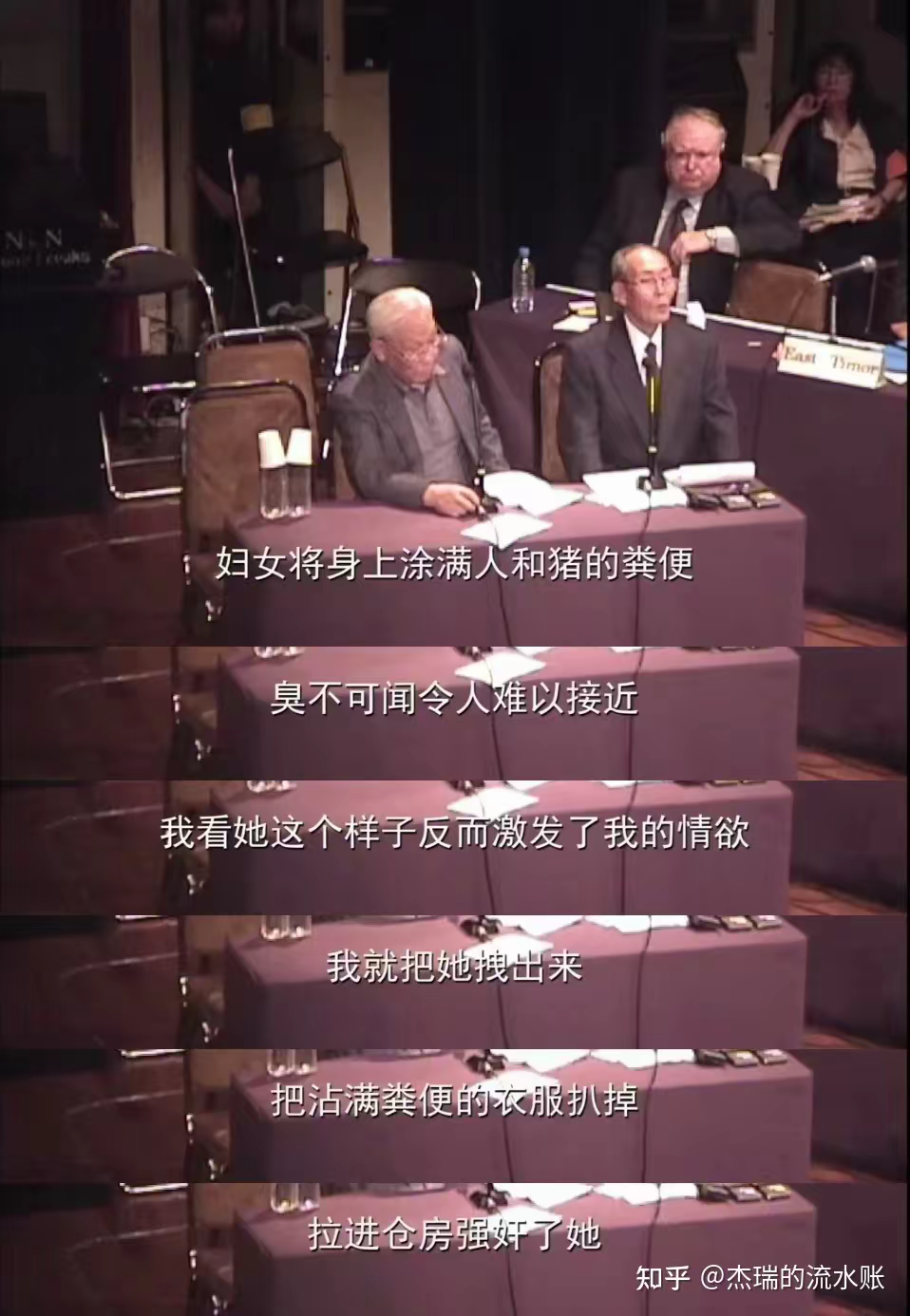
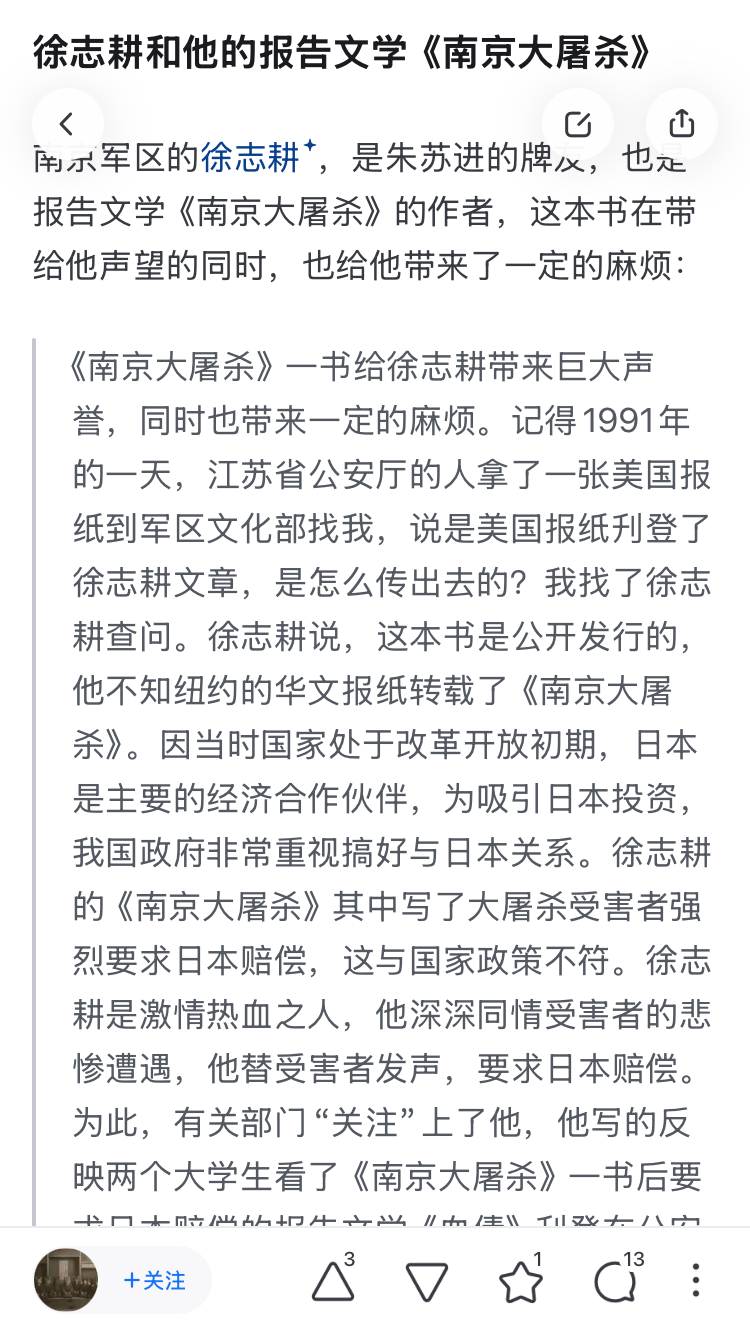
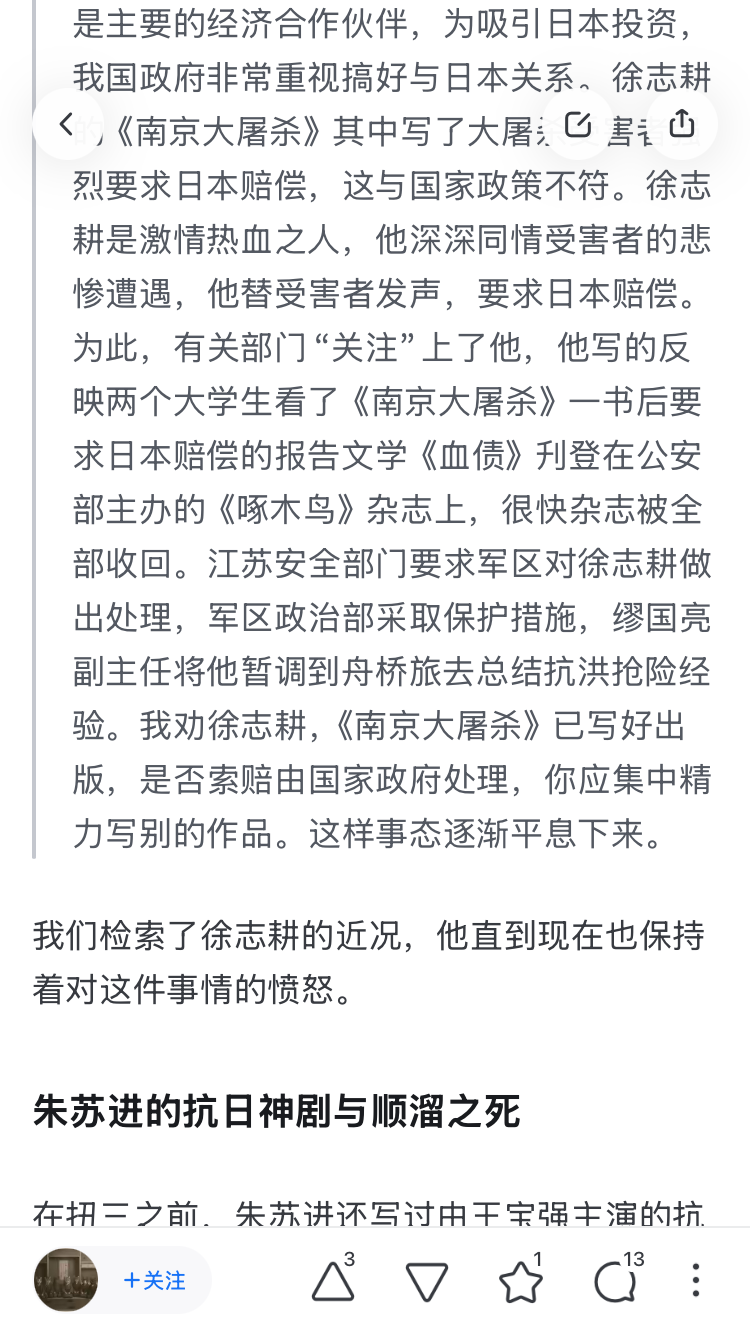
  中国抗日战争之所以没有像二战欧洲战场那样被广泛关注、南京大屠杀等罪行没有被像犹太人大屠杀那样注视、中国人民没有积极发声和得不到有力同情,也在于中共强大的新闻审查制度和言论禁制体系。如作家徐志耕曾在中国公安系统刊物《啄木鸟》发表《血债》一文控诉日本南京大屠杀罪行,刊物很快被收缴。还有更多控诉根本没有机会刊登在正规媒体。而普通网民在互联网发表关于日本罪行的帖子,时常遭遇删帖情况(笔者有相关案例截图)。

   这样情况下,真正关心中国人民疾苦、关怀中国人权、致力于自由民主的中国人、海外华人华侨、各国人士,显然应该支持对抗日战争的纪念、对南京大屠杀和日本其他战争罪行受害者的缅怀、对日本残暴行径及如今拒绝悔罪和美化侵略历史愤慨和谴责,同时注意到并批判中共与日本的勾结。

    而那些只批判中共、只谈中国国内人权问题,却对日本侵华和屠杀置之不理、冷淡对待、否认事实,甚至拍手叫好者,都不是真正有良知和正义感的人权捍卫者,有些还心地险恶、无德无耻。而且,一部分纪念抗日战争的中国人没有积极为国内人权问题发声,主要是因为中共打压,发声面对巨大危险,且即便冒着危险发声也会被禁言、没有太多渠道突破障碍而呼喊,而并非这些人拥护中共、不愿意为人权和民生发声。

   关心当今中国人权问题、民生问题,如为农民养老金太少而抱不平、为烂尾楼和银行侵吞储户资金而发声维权、对近日甘肃幼儿园血铅和杭州污水事件愤怒,与纪念抗日战争、缅怀抗日英烈和遇难同胞,并不矛盾,也不是二者必须选一的问题。对二者皆愤怒不平、声讨恶人、索要公道,才是正常而有良知的。

  许多五毛粉红确实会只纪念抗日战争,而拒绝批评政府和现实黑暗面,甚至为中共洗地、掩盖丑恶。但这并不是反对派、自由派人士走到另一个极端、另一种谬误的理由。无论无视民生疾苦只是政权吹鼓手的五毛粉红,还是逆民支黑化而无民族情感还侮辱同胞的反贼,本质都是缺乏良知、没有正义感、双重标准、道德低下、人格残缺的家伙,都不能代表中国人民的真正利益和心声。

   虽然日本侵华问题更多是历史问题(当然同时也有其现实性一面),而中共侵害人民则主要是当下现实问题,现实重要性急迫性往往优先于历史。但若一些具体的历史事件特别严重、意义非常重大、影响极为深远,并仍然与当今现实有着密切关联,那么历史问题并不能忽视、不能被现实问题排斥和压倒。而日本侵华/抗日战争,显然属于特别重大的历史事件,并与当今中国有着种种关联。

   特别需要提及的是,对于一个国家民族整体而言,民族重大议题、民族共同的苦难,往往应优先于内部权利民生问题。当然不应为民族问题而忽视甚至掩盖民权民生,但同样不应只关注人权民生而丧失民族意识和对整体的利弊荣辱的关切。抗日战争是汉族、中华民族、中国人民的极重大历史经历,也是世界历史相当重要的一部分,其他一切问题都不能阻碍对抗日战争的纪念,也不应因其他事情而将之解构或淡化。

  当然,面对日本侵华议题和中国国内人权议题,无论选择性的关心和同情哪种(而同时对另一种问题不闻不问,甚至站在反人权、反正义立场),都确实是削弱了其关心和同情的道义正当性,也给了另一方及他者对其关心和纪念加以指摘的借口、批评的由头。一些中国人只纪念抗日战争而回避中国人权,另一些中国人只谈中国人权而拒绝纪念抗战,也反映了中国社会的撕裂、人们普遍立场大于是非的丑陋、历史和当下的受难者被抛弃或成为工具的悲哀。

  第五,俄罗斯及其他所有国家/列强对中国的伤害、对待中国人民的残暴程度、造成的长久负面影响,都远不及日本,根本不能与日本侵华和屠杀相提并论。而且俄罗斯及苏联还对中国及汉族有不少主观客观的帮助和益处。当今中国自由派反对派一些反俄说辞,恰恰源于毛时代中苏交恶时宣传辞令。

   许多人尤其中国反对派人士,往往以“俄罗斯也杀了许多中国人、还侵占中国一百多万平方公里领土,仇日的为什么不敢仇俄,是五毛粉红、双标”等,来主观和客观的淡化日本侵华罪恶、让国人把矛头对准俄罗斯。

   这些说辞并不符合事实,也并不严谨和认真,且充满先入为主、双重标准。俄罗斯历史上确实曾侵略过满清帝国、蒙古及鲜卑等政权统治的区域,并参与八国联军等,即便勉强将之视为侵略过中国(虽然其实满清、蒙古等王朝并不能代表中国,汉人也不是满清的公民而只是奴隶,也就不享有领土主权带来的好处)。但俄罗斯军队并未像日本那样规模和残暴程度的杀戮中国人,如海兰泡、江东六十四屯等屠杀,与同时期普遍存在的各国军队侵略扩张中的杀戮相比,规模和残酷程度并不突出。这并非洗白屠杀,屠杀当然应该被谴责,但不应夸大、和更大杀戮混淆。

  而“外东北”的符拉迪沃斯托克(海参崴)等地本就没有多少华人,后来大多数被迫或主动迁入俄罗斯其他地区,或与俄族等其他族群相互通婚同化,并未大规模遭受屠杀。斯大林大清洗杀戮了一些华人,但并非特地针对华人,俄罗斯族及其他族群同样被杀戮。

 而日本制造的南京大屠杀、在华北的“三光”政策、“731”部队人体实验和细菌战、强征“慰安妇(性奴隶)”等,无论杀戮规模,还是手段和过程的残暴程度,都是俄罗斯无法比拟的。南京大屠杀是在中国首都南京这个现代化大城市、杀戮许多民国精英、社会中坚人士、还伴随疯狂的大规模强奸现代女性、虐杀孕妇和儿童,和俄罗斯侵略杀戮中国人的残酷程度根本不是同一层级。

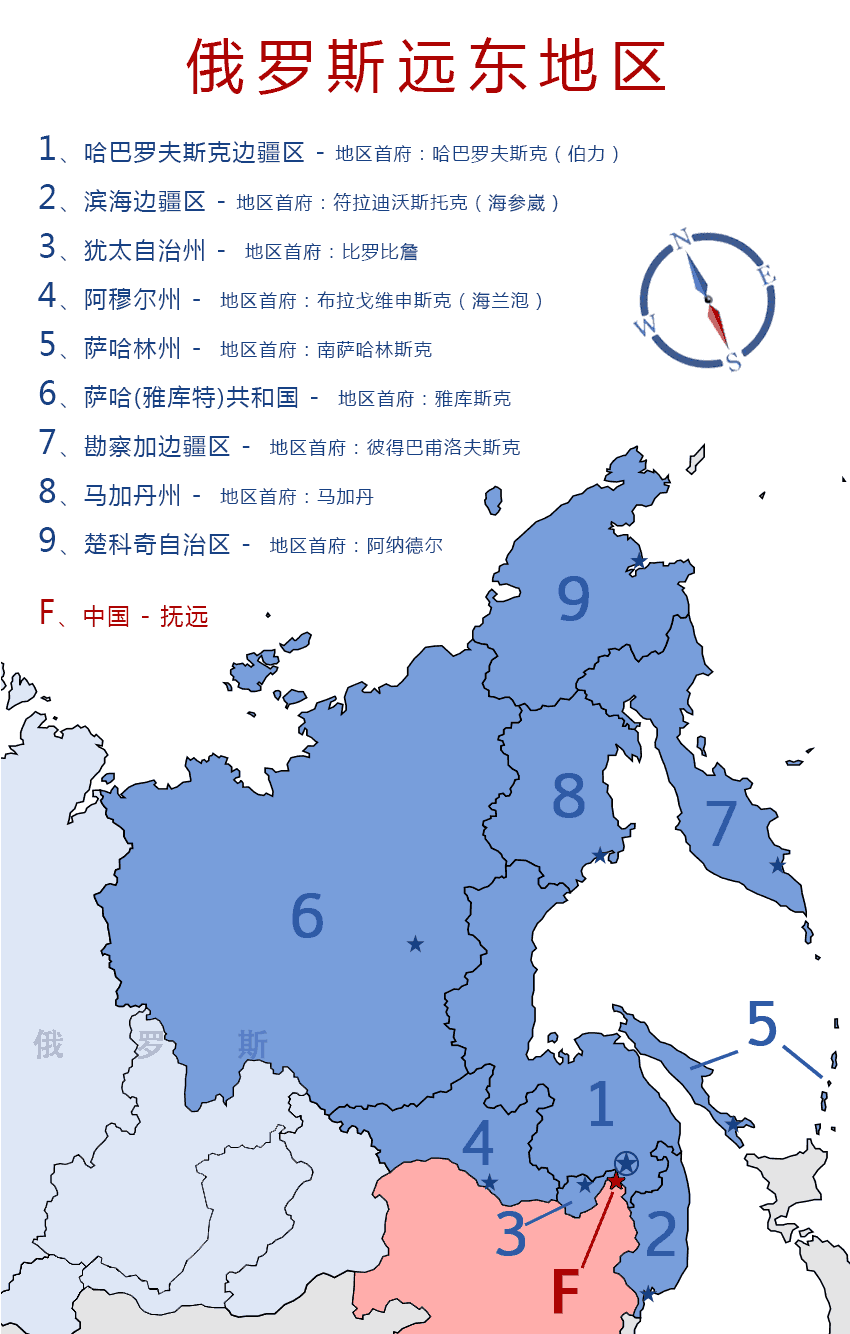
   而俄罗斯虽然占领了西伯利亚/外东北大量土地,但那里本就是无主之地或游牧民族混杂地区,人口稀少甚至大片无人区,中原王朝从未实际领有(只有靠南的一些地区有少数卫所),蒙古和女真/满洲政权也只有羁縻和不稳定控制,与汉族主体的中国几乎完全无关(非要说那里是中国领土,那也是边缘地带的很次要土地),被俄罗斯占领后,对中原和江南等长城以南地区人民也没有坏的影响。

   甚至,俄罗斯的扩张、对包括“外东北”的西伯利亚地区的占领,客观上打击了蒙古、女真、鲜卑、满洲等蛮族势力,削弱了其地盘和实力,也意味着弱化了其对中原和江南的威胁与统治。而蒙古、女真、满洲等蛮族势力对汉族及南方各民族的杀戮、压迫、长久伤害,都超过俄罗斯百倍不止。显然,在俄罗斯和蒙古等蛮族之间,汉族应该宁可亲近俄罗斯。对俄罗斯打击这些蛮族,汉人应该加以支持。即便汉人也有所受害,也是一点代价、利大于弊。

   而且,俄罗斯帝国在1917年宣告灭亡、沙皇退位,且沙皇在内皇室家族后来被列宁的布尔什维克党集体处决。即便算有历史怨仇,也已了结。

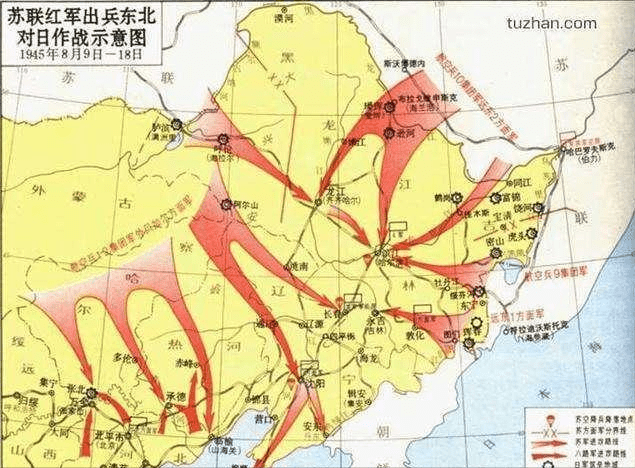
  而后来的苏俄/苏联,虽然确实扶植了中共,但也扶植了国民党主导的国民政府和国民革命军,帮助中国发动国民大革命、促进中国工人和农民反抗压迫、打败和逼走了英法等列强,击败割据称霸的各路军阀和继承满清许多糟粕遗产的北洋政权,促成中国统一。1945年苏联出兵满洲地区,击败日本关东军,促成日本投降。中共建政后给中国若干经济和军事援助,促进中国工业化。而后来中苏交恶是毛泽东和中共忘恩负义、不讲道理。

   今日的俄罗斯,因其人口下降、经济孱弱、并不构成对中国的威胁,其控制符拉迪沃斯托克(海参崴)等地,还变相削弱了继承满清法统和疆域的中共中国的版图。普京执政的俄罗斯虽然也是不民主的国家,但也比极权的中共多些自由民主成分。而且俄罗斯民族历经劫难,付出的代价、如今的贫苦,都早已抵消有限的罪恶,更多应该同情而非仇恨。而侵略屠杀中国却在战后未受清算、享受侵略红利、飞黄腾达、国民幸福的日本,显然才是应该批判和清算的对象。

   显然,相对于全面入侵中国、到处屠杀奸淫、摧毁中华民国和改变中华命运是日本,俄罗斯给中国造成的损害很小。而英国、法国、德国、美国,当然伤害更小,还在多个方面主观和客观上帮助了中国和中国人民。而且相对于其他国家可以谈判讲理处理争端,日本总是咄咄逼人、蛮横暴戾。这也正是民国时期世界列强林立,而中国人独独厌恶日本、反日情绪强烈、宁可亲近英美白人也要反对日帝的原因。而如今的中国人多数仍然厌恶日本而非俄国,当然是基于历史上日本残暴行径和无理态度、如今仍无悔改之意情况下的正常反应。那些鼓吹仇恨俄罗斯的,才是有目的性的夸大事实、煽动仇恨。

  而且,现在许多鼓动仇恨俄罗斯、夺回“外东北”的言论及其内容与逻辑,很多恰恰来源于1960-1980年代中苏交恶时,中共反苏反俄的宣传辞令。如“外东北”问题和海兰泡及江东六四屯屠杀,都是毛时代和邓小平前期的官方口号。亲近日本、对抗苏联,同样是当时中共的国策。

  中国许多反共自由派一方面声称反对中共,一方面却被中共反苏反俄宣传煽动,可谓自相矛盾。而其一方面以“反对仇恨”为由鼓吹“反对仇日”,另一方面又鼓吹仇恨俄罗斯,显然又是自相矛盾。而一方面支持台独及中国其他各地独立、反对保卫钓鱼岛、反对中共扩张霸凌,却又鼓吹收复属俄罗斯领土的“外东北”并不惜对俄开战,是第三次自相矛盾。这些中国自由派反对派在俄罗斯与日本问题上三重矛盾,以及再细究可以发现的更多自相矛盾,都反映了他们逻辑混乱、也没有什么道义良知、为反而反、纯粹是五毛粉红的镜像。

  而当今中共政权虽对俄较友好,也有独裁政权之间相互联合对抗美国和西方、维护自身统治的目的,但这并不应该影响人们对于中俄历史恩怨是非曲直的认知和判断。

   当然,笔者并不反对纪念俄罗斯扩张中对中国人的杀戮事件、缅怀死难的中国人及其他国家族群的人。但这些事件显然都是局部的、受害人数较少的,与全国各地、全民族共同参与的抗日战争完全不是同一水准的事情,纪念抗日战争当然要极为隆重。(另外,笔者也反对俄罗斯入侵乌克兰,同情和支持乌克兰的反抗。但这和中俄问题、中日问题,都是两码事,都应就事论事评价)

  第六,日本战争罪行未有清算、战犯和共犯未受惩罚,日本在二战后根本未有真正悔罪、改过自新、“转型正义”,而是在民主、自由、和平的外衣包裹下,保留了法西斯军国主义、种族主义、排外主义的内核和躯干,混淆战争正邪、模糊历史责任、国民从侵略中获利并继续伤害中国人民、对世界公正和平造成损害和长久潜在威胁;日本内部的文明、富裕、法治、民主,也并不惠及中国人,而更衬托侵略者得利与受害者不公。

   许多中国人尤其自由派反对派人士,以及其他对日本缺乏深入了解的中国人、西方人、各国人士,以为日本早已不是1945年之前那个法西斯军国主义、侵略扩张国家,而是自由民主体制下高度文明和平的国家。日本的治安和公共卫生优良、经济文化发达,更让很多人对此坚信不疑。这样人们也更不愿意追究日本历史问题,或认为历史问题早已解决,也不会警惕今日日本。

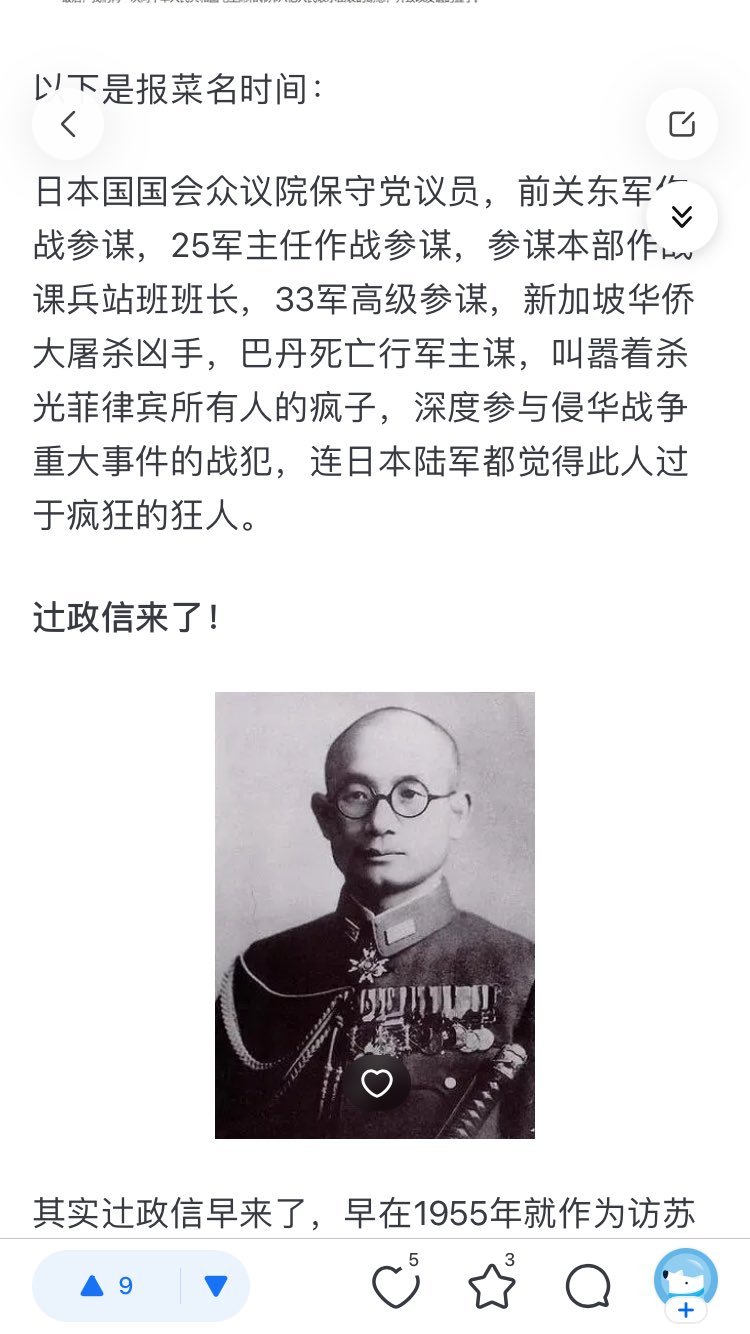
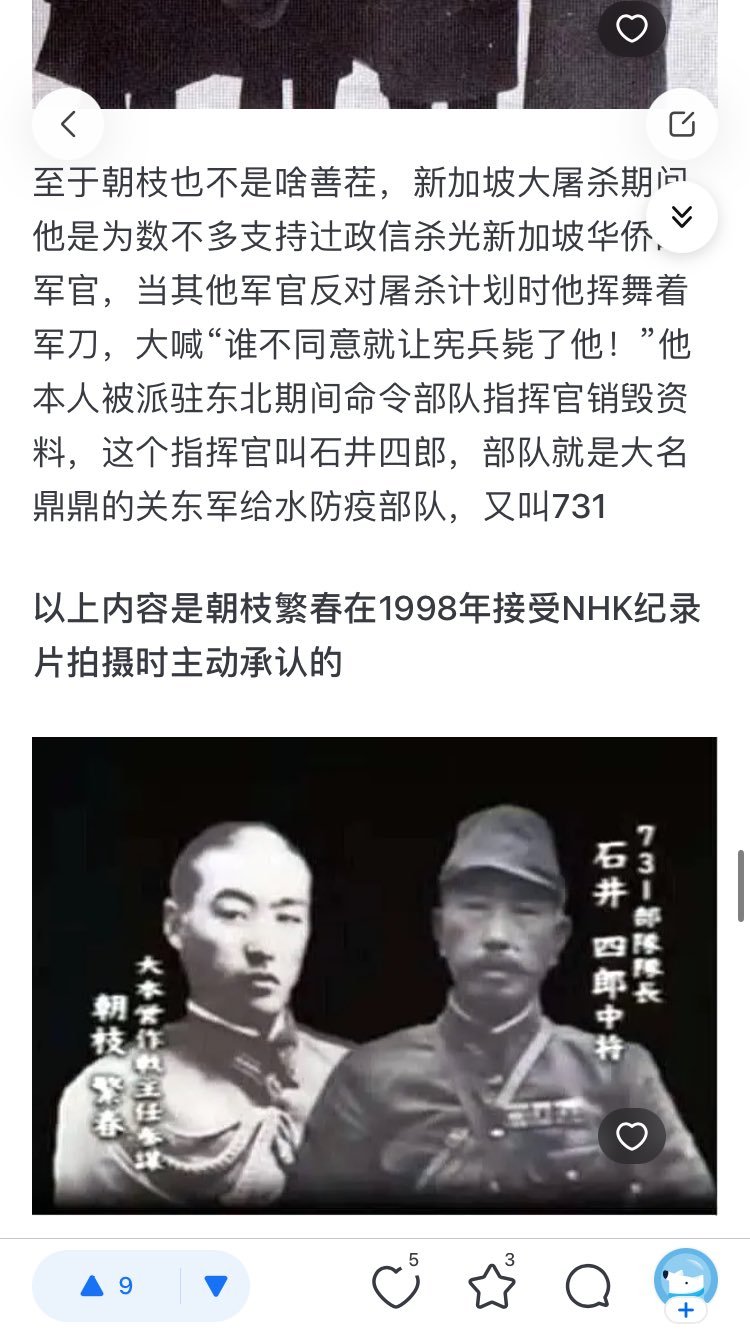
   可事实与这些表象和假象完全不同。首先,日本法西斯在二战后并没有被清除,不仅最大战犯裕仁天皇逃脱审判,其他日本军政高层、直接参与作恶的基层军人,大多数都逃脱了审判和惩罚。只有东条英机等极少数人被判处死刑,而若干被判处终身监禁和有期徒刑的战犯,在1954年之前基本都被释放。而更多参与发动战争、杀戮平民、强奸妇女、人体实验等日本战犯、战争参与者,连审判都没有(如南京大屠杀首恶朝香宫鸠彦亲王、制造新加坡大屠杀的辻政信、731部队的石井四郎等人,以及许多杀人强奸的低级军官和普通士兵)。

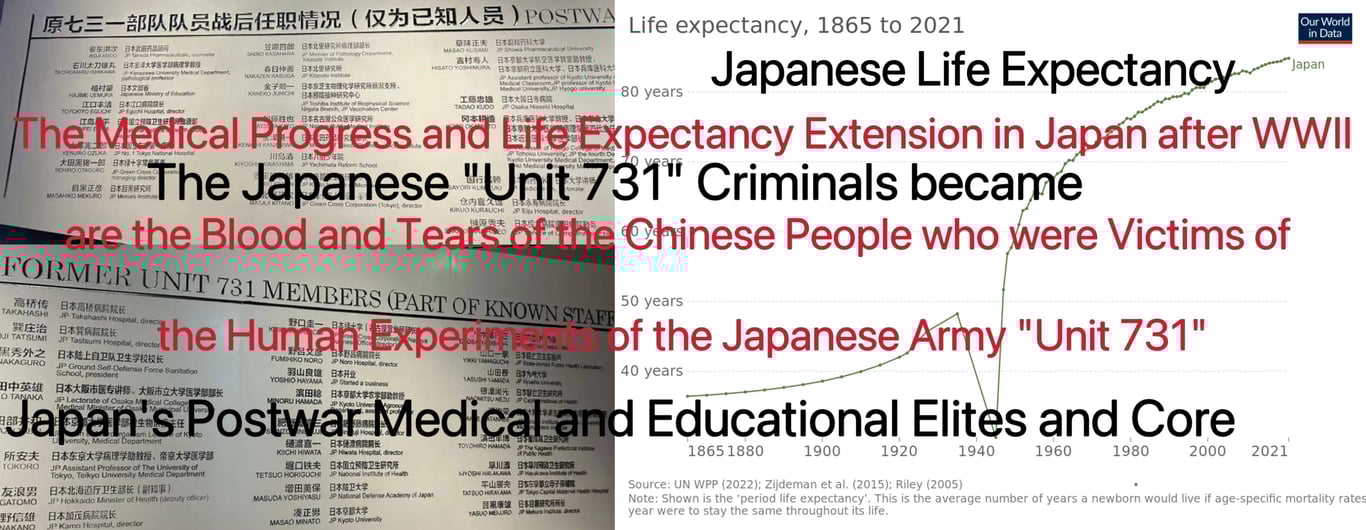
   这些战犯和战争参与者,后来纷纷成为日本军事、政治、工商、文教、医疗等部门的骨干成员,上至天皇和首相,中层包括各机构高官、地方要人,下层也在经济腾飞中成为中产阶级。这些沾满中国人民和亚洲各国人民鲜血的刽子手,却在战后过得悠哉悠哉、健康长寿。而日本整个国家的繁荣、科技和医疗的发展,也都有从中国、朝鲜半岛、东南亚掠夺受益。尤其日本医疗发达、国民长寿,直接受益于“731部队”人体实验和“1644”部队”及其他类似部队的生化和细菌武器使用和“战果”采集研究的成果。日本大众之所以参拜靖国神社、祭奠战死日军,也正是因为他们普遍认为(且其认为的也确实是事实),正是日本军人的顽强奋战、从天皇和官僚到士农工商的日本国民团结一心支持战争,才有了战后的美好生活、得到尊重的国际地位。

  而国际上,美国扶植日本对抗共产主义,苏联也拉拢日本策动其反美,中国的中共和国民党同样拉拢日本、朝韩和东南亚各国也有求于日本,日本也没有了国际上迫使其认罪的压力。

   这样的共犯体系和国际环境下,日本当然不会像德国那样悔改,而是迅速走出东京审判时的服软和忏悔态度,全力淡化、粉饰、美化其从明治维新直至1945年的对外侵略扩张之路。对于灭掉韩国、吞并朝鲜半岛,日本称为“日韩合并”;对中日甲午战争和殖民台湾,称为“日清战争(虽这样称呼也有道理,但日方主观上也有美化日本、丑化中方的目的)”并美化殖民;对占领东南亚,称为“反抗白人殖民、解放亚洲”……

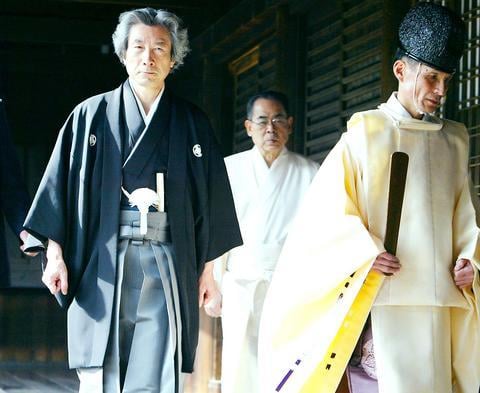
  日本也未对中国做出正式、真挚、持续性的道歉。大多数日本人(包括天皇、首相、官员、平民)的疑似“道歉”言论都是非正式的、模糊责任的、淡化罪行的。如日本明仁天皇访华时以“遗憾”评价日本侵华给中国造成的损害。日本一些道歉和反省,也并不明确以中国为对象,而往往是“对(日本在内)亚洲各国人民造成伤害”,混淆加害者和受害者、模糊道歉对象(如小泉纯一郎、安倍晋三、岸田文雄、石破茂等人对侵华问题的态度),并以日中“和平”/“友好”/“不再战”等说辞模糊日本侵华和中国抵抗的正邪之别、逃避自身责任,还反过来借此规训中国不可报复。

  而且日本之前一些时期哪怕模糊的道歉,之后继任者往往又将之冷藏、既不否认也不认可,也可见其道歉没有诚意。如1993年日本时任官房长官河野洋平就“慰安妇”问题的“河野谈话”,1995年日本时任首相村山富市就侵略亚洲各国问题的“村山谈话”,相对诚恳(哪怕仍有保留、不够清晰)承认日本加害责任和对受害者歉意,以及反省责任、坚持和平的承诺。但之后日本的首相和外相,大都回避“村山谈话”和“河野谈话”的内容和承诺。

  而日本教科书对侵略中国问题,也充满狡辩和反复,没有真诚忏悔。1950-1970年代日本教科书一度称为“日华事变”并只字不提南京大屠杀等战争罪行,中国改革开放、中日交流密切下,日方才不得已正视和承认侵略,但仍淡化罪责、回避杀戮中国平民问题。虽然再后来不得已在教科书加上了南京大屠杀,但尽可能简略、少算死亡人数,避免提及大规模强奸妇女和杀害儿童等罪行,通过文字游戏淡化影响、推卸责任。

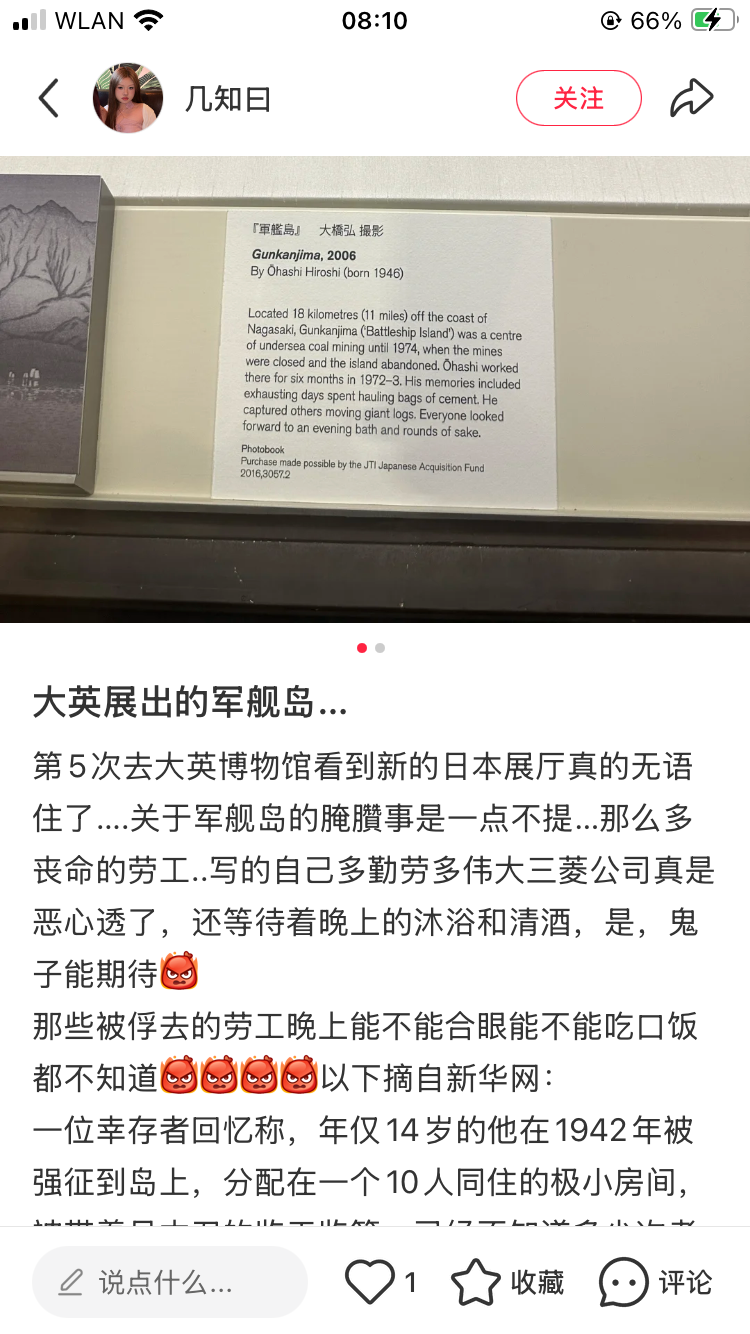
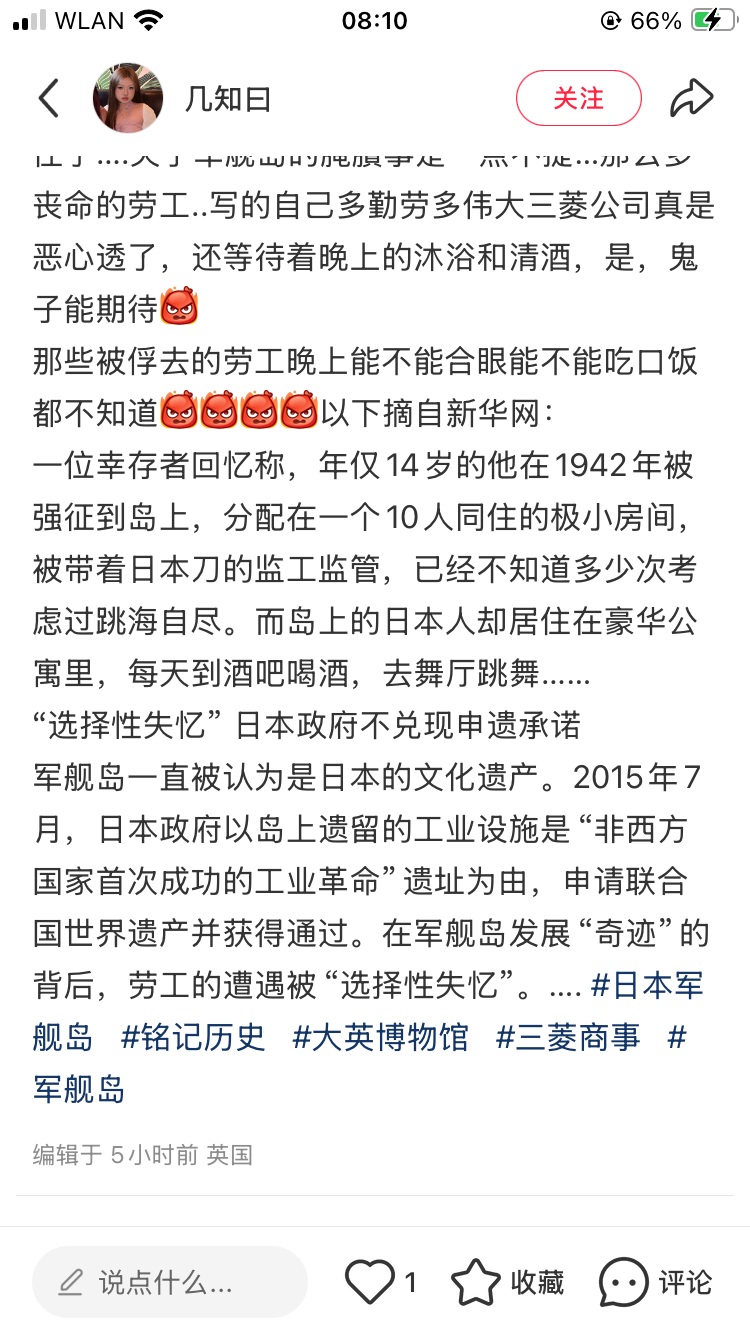
   且在备受关注的教科书之外,日本官方和民间各界更加回避罪行和美化侵略。如日本各种历史博物馆、神社、历史文化遗迹、战争纪念设施,都竭力回避日本罪行、美化侵略战争和日军。如在冲绳(琉球)关于冲绳战役的纪念设施,回避日军迫使琉球平民充当人弹对抗美军、逼迫平民自杀、强奸琉球妇女等,反而强调守卫琉球日军的英勇。日本将二战期间通过奴役中国和朝韩劳工建设的军舰岛、佐渡金山,成功申请世界遗产,却规避强迫中韩劳工如奴隶般劳动、造成大量死亡伤残的事实。

   对于二战遗留的“慰安妇(日本强征各国女性为性奴隶)”问题和强掳各国劳工问题,这两大重要历史遗留的、曾有相当多幸存者和维权者的问题,日本政府和参与罪恶的当事者都选择回避责任,日本法院也以“国家无答责”等理由驳回“慰安妇”和劳工要求道歉和索赔请求。虽然同时日本争取到美国政府为二战期间拘留日裔美国人而道歉并获得赔偿,却拒绝为自己更加残酷的罪行道歉和赔偿。

  另外,日本各地国立和私人博物馆还有数十万至百万件数量级的中国文物,包括数万件极珍贵文物,如王羲之和朱熹等名家的书法真迹、殷商甲骨文、春秋战国的青铜器,是被日本从甲午战争到全面侵华期间(1895-1945)历次侵略中从中国暴力掠夺、偷窃、强购而来。其中全面侵华期间可证实的日本掠夺的中国文物就有超过10万件,以及更多民间保留的中国文物,从未打算归还中国,也同样是历史遗留、仍是现在进行时的问题。

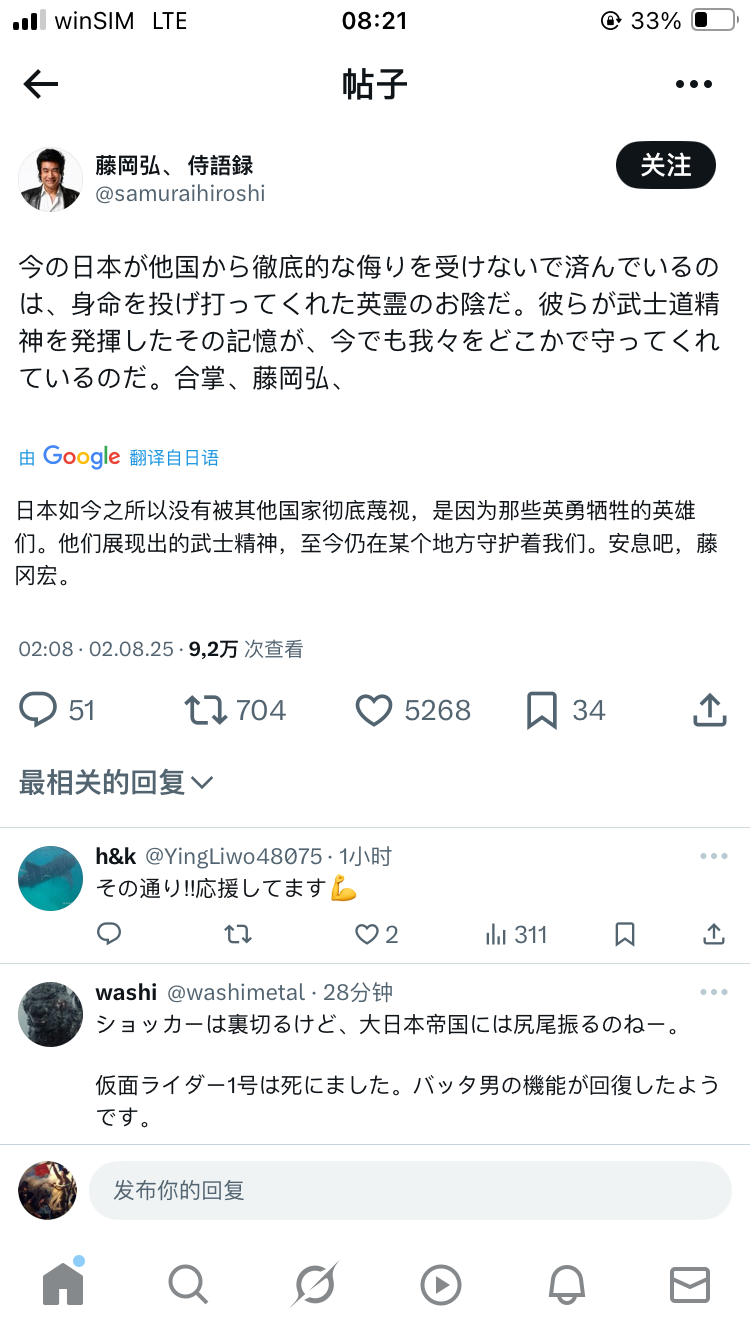
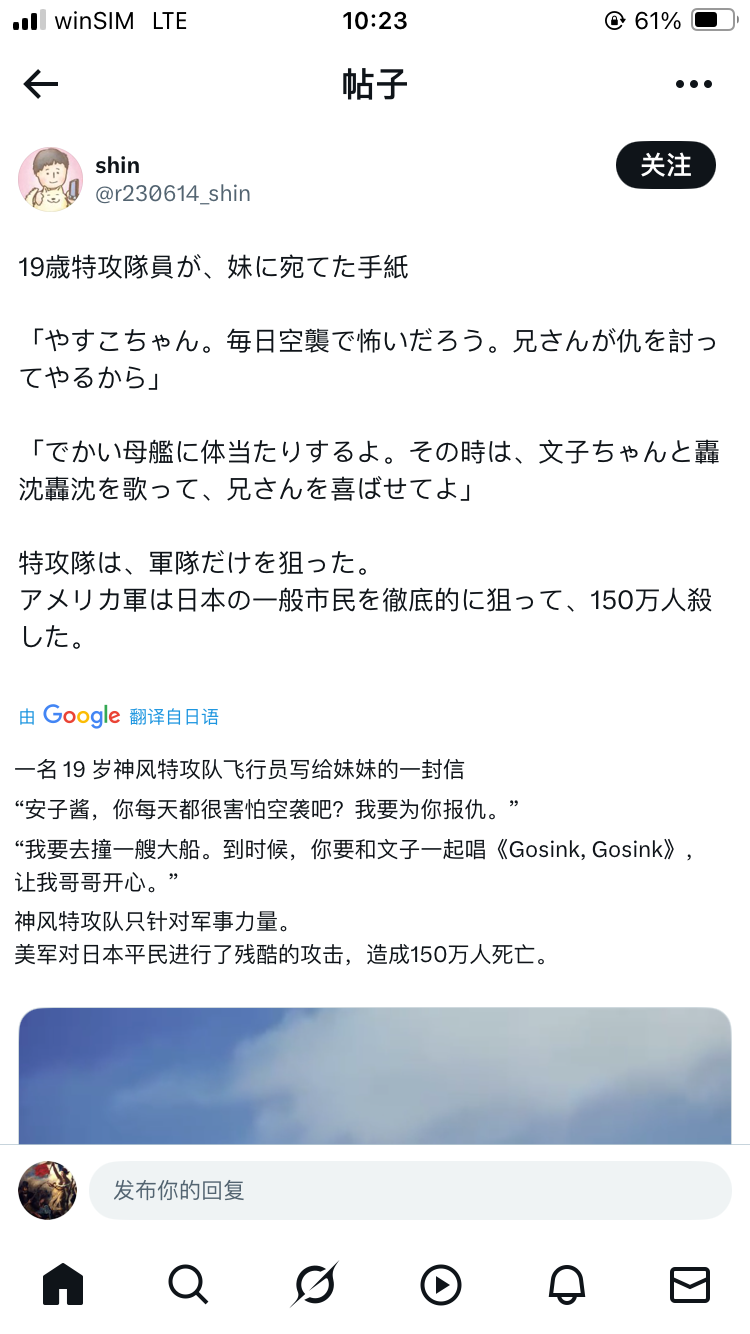
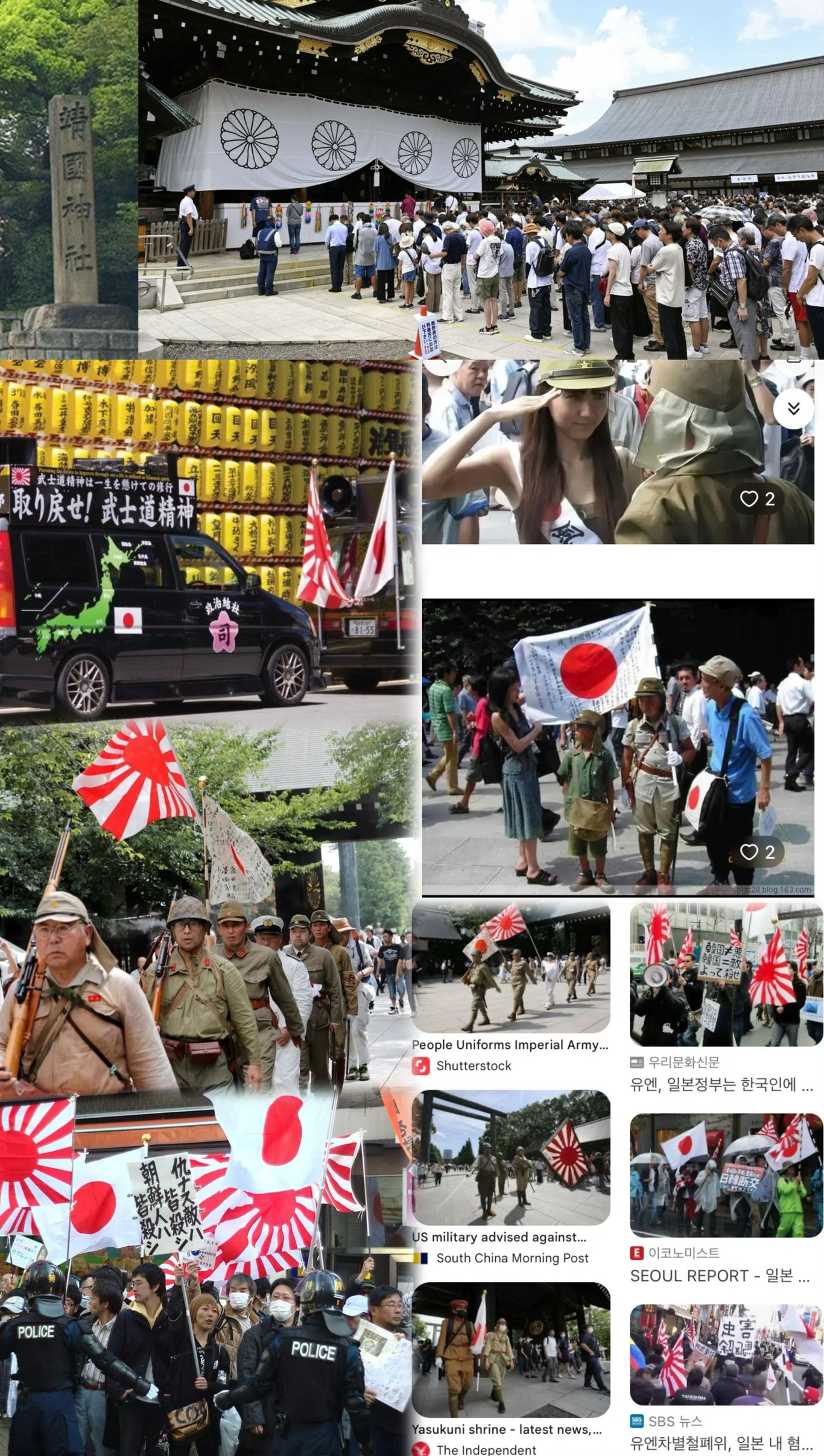
   备受关注的靖国神社问题,只是日本美化战争、否认罪行的其中一个案例。其供奉的死者,包括数百万死于二战的日军,且包括数十万在中国战场战死的日军。而根据各方的信息包括日本军人自己的回忆录和供词,起码在中国等地的日军普遍犯下杀人、强奸、放火、抢掠等罪行,如参与侵华的日本兵东史郎在日记中说“一个小队10个日军,10个人都参与强奸”。所以即便靖国神社并不供奉那12个甲级战犯和一千多个次级战犯,它仍然是供奉了至少上百万犯下杀害平民、强奸妇女、摧毁民用设施的犯下战争罪的日军、数百万参与法西斯侵略战争日军的罪恶之地。(其他一些没有杀戮平民、强奸妇女的日军,只是在军舰上、在太平洋无人岛屿等地,没有机会和时间杀人强奸,而非善良)

   靖国神社的“游就馆(类似于各国烈士纪念馆的烈士事迹和历史背景展厅)”有对日本侵华、太平洋战争若干重大事件的很多描述以及日方观点展示。其中将9.18事变和7.7事变归咎于中国军队的挑衅,并否认南京大屠杀(将之称为“南京事件”,并描述为“严厉肃清(中国)残兵”),将二战中日本军人塑造为勇敢、有责任心、有牺牲精神的“英雄”。靖国神社门前和内部还有若干雕塑,将日军在中国东北、上海、朝鲜半岛、东南亚等地的军事行动刻成英雄形象展示。

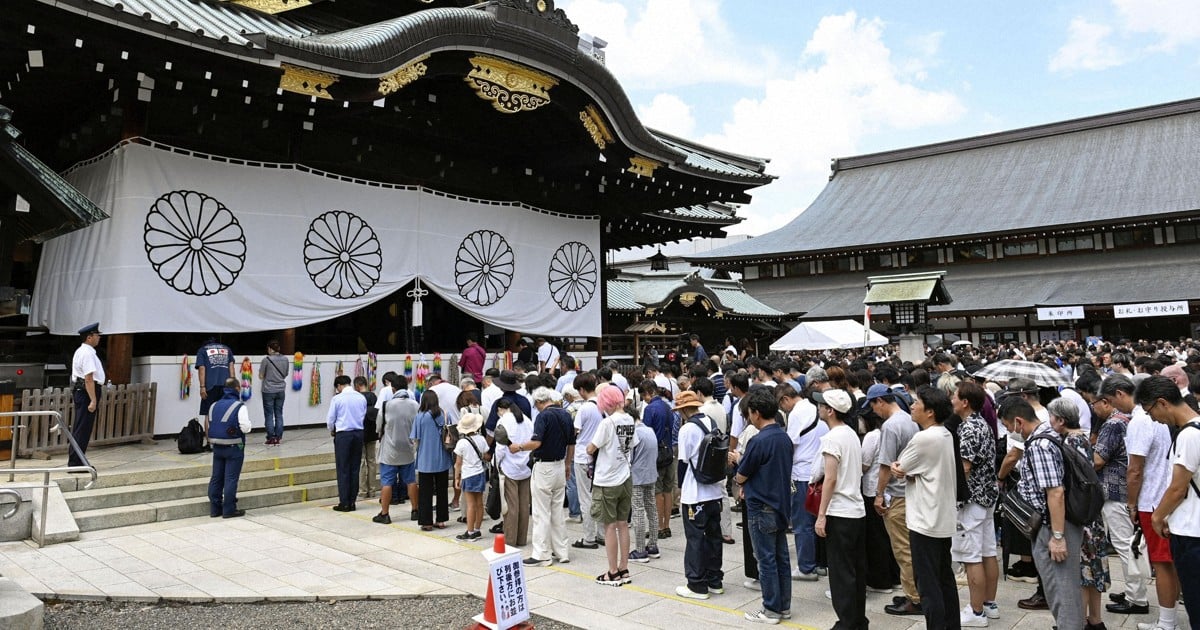
  靖国神社每天都有成千上万人参拜,不仅成年男性,还有许多日本的妇女儿童也参拜靖国神社,每天都大排长龙。

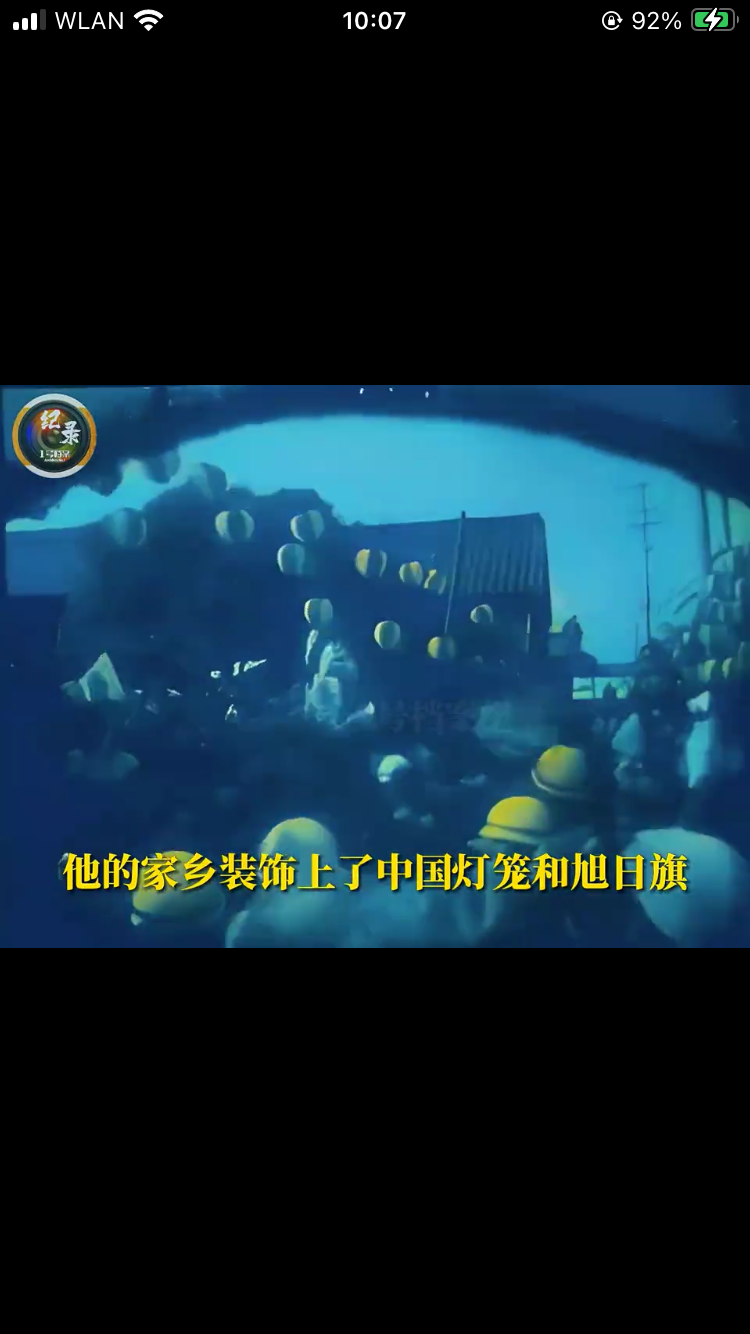
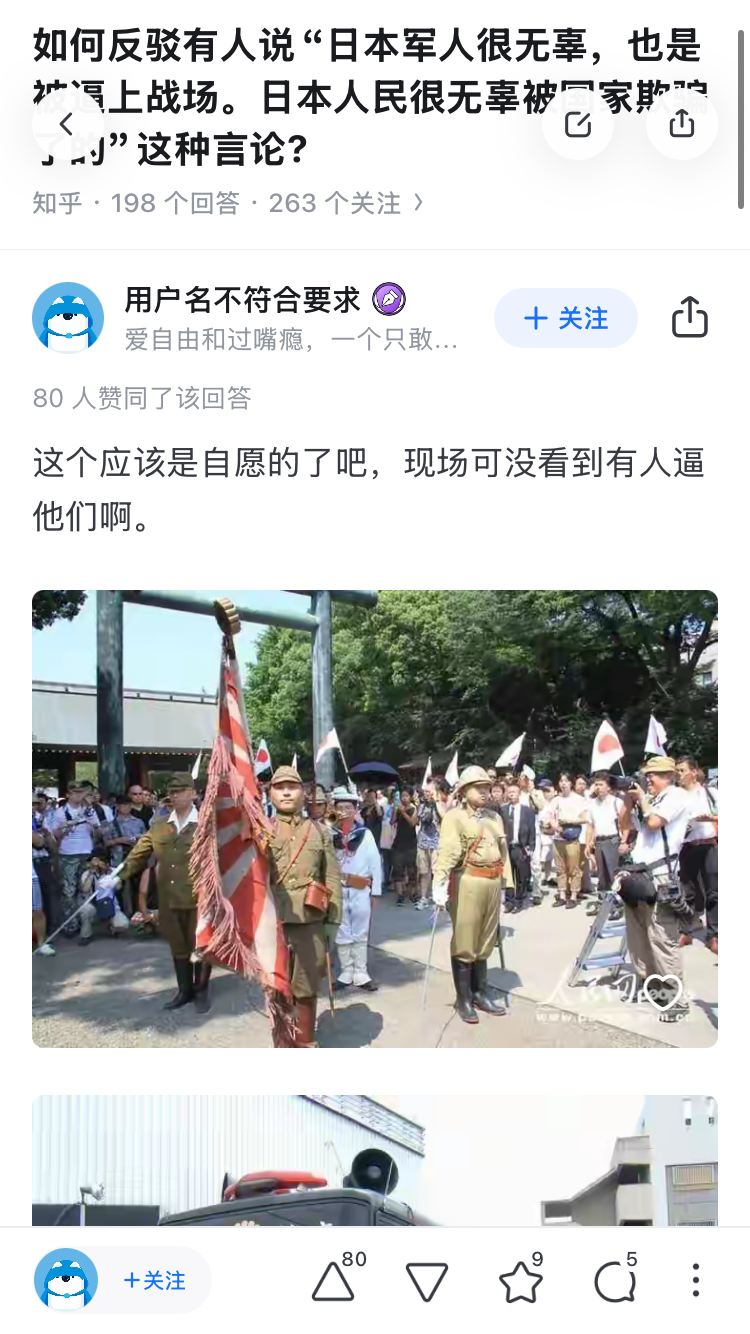
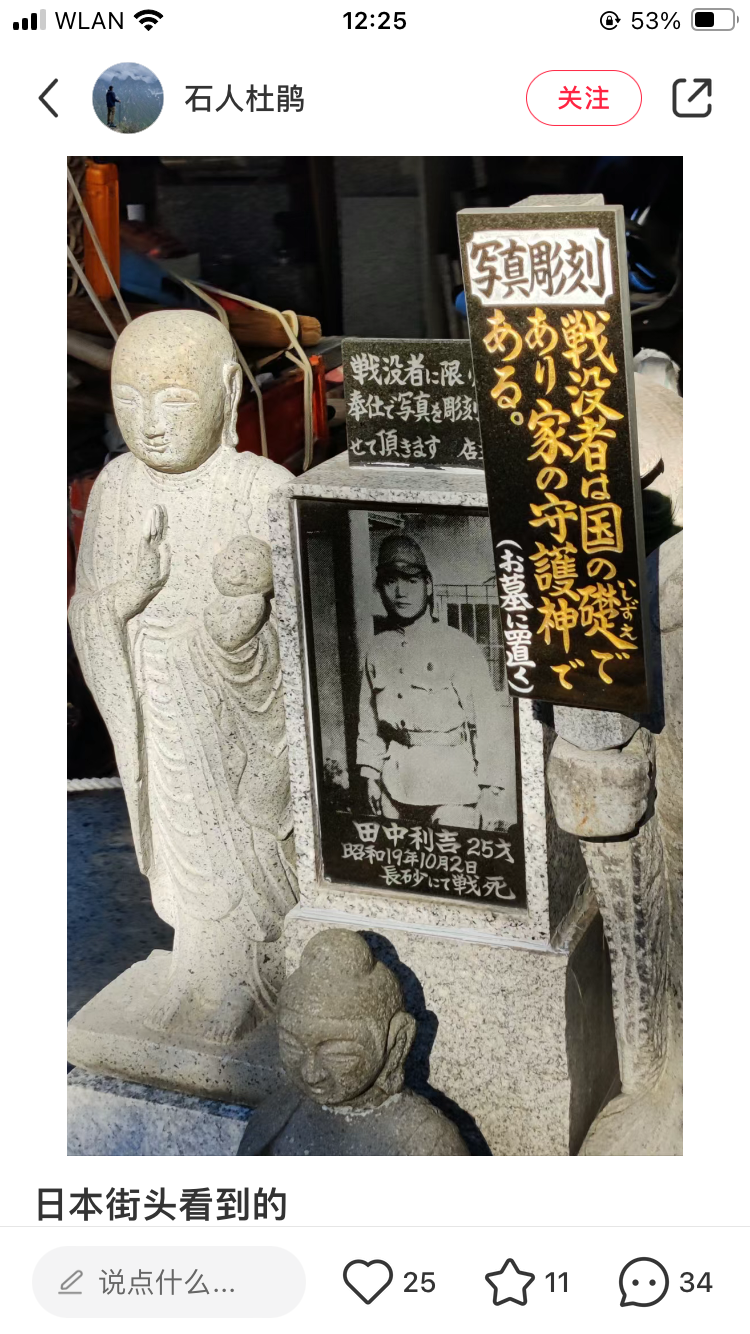
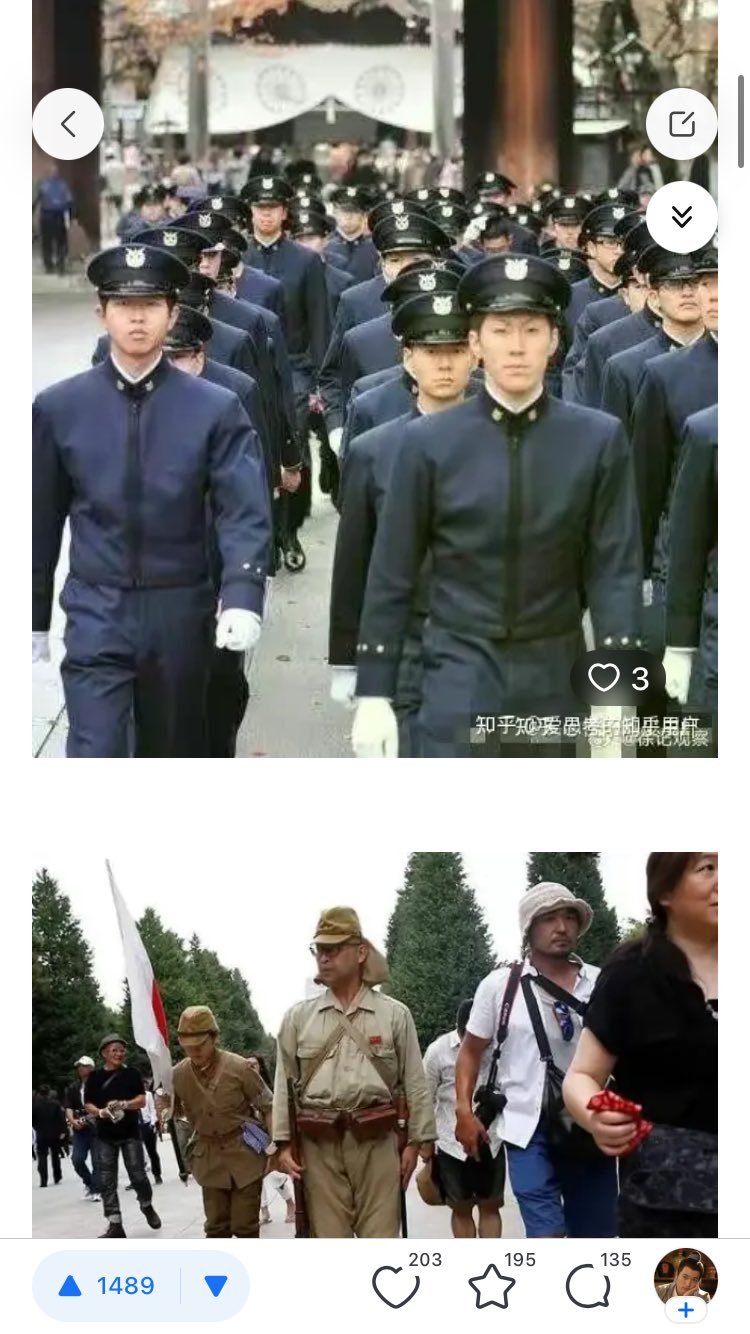
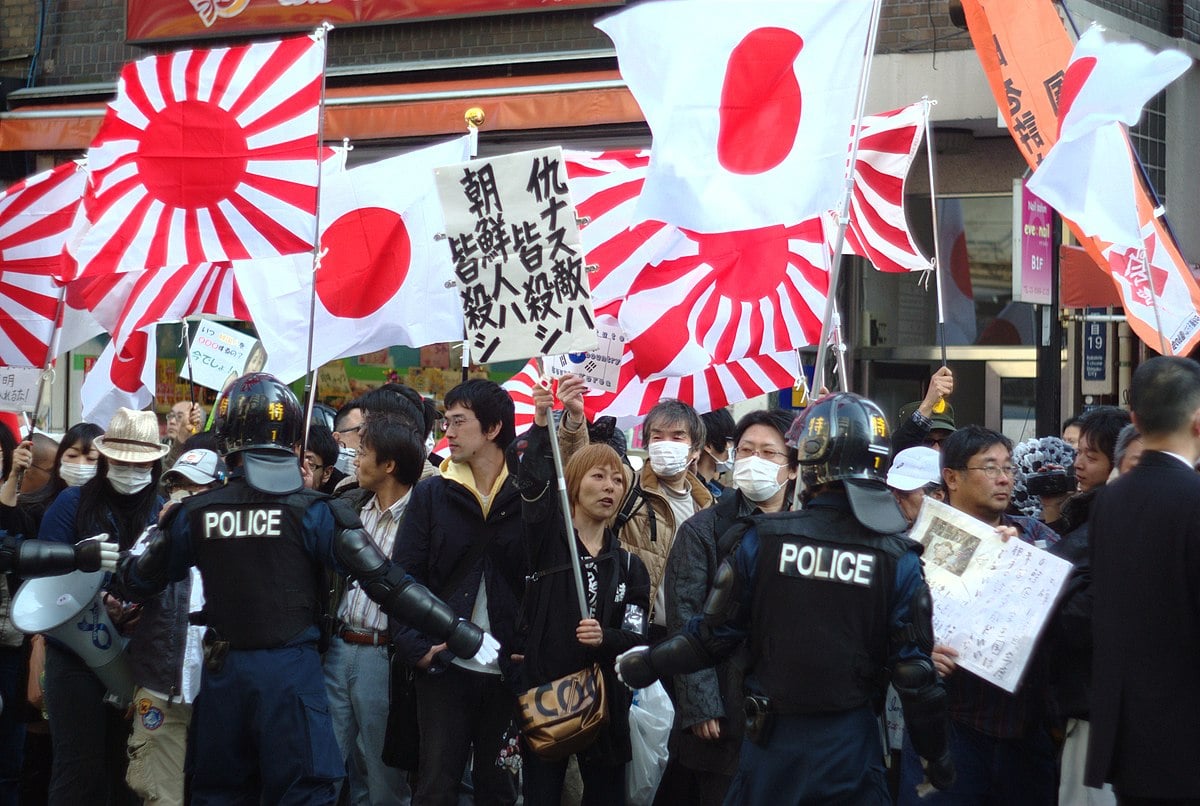
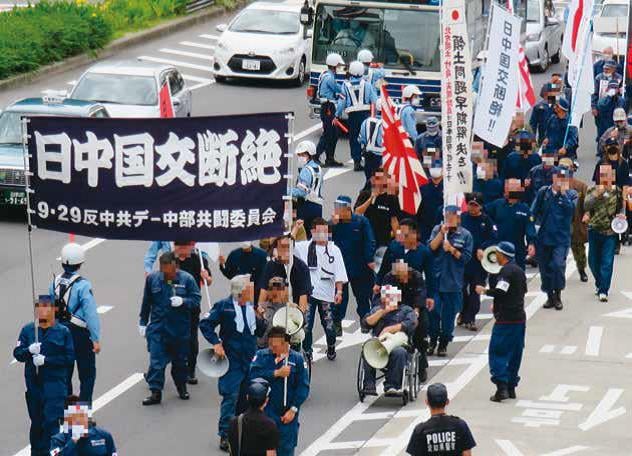
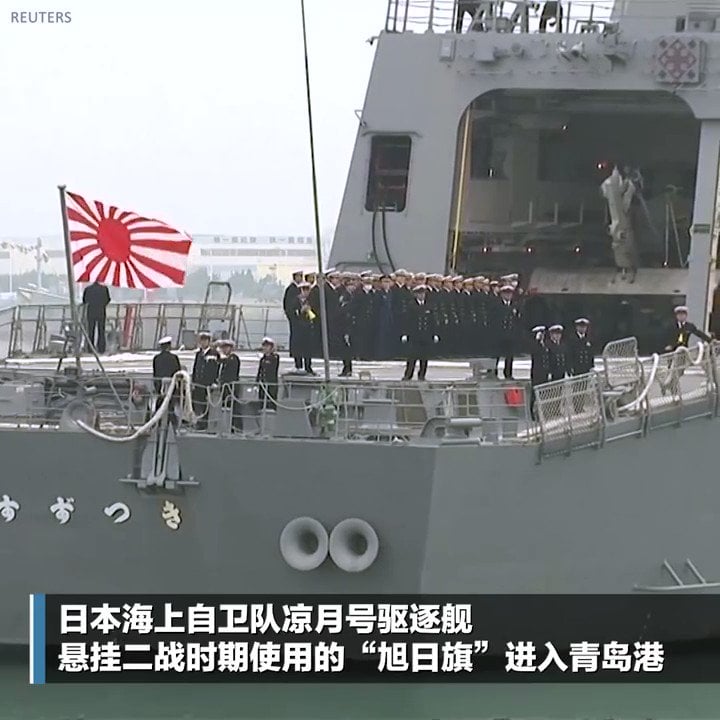
   而在靖国神社之外、东京和各地的街道,常常可以看到日本右翼穿着二战军装、携带二战中的枪支和道具进行游行、宣传,还有更多打着“旭日旗”的日本人招摇过市。许多日本人包括老人、妇女、学生、儿童还与这些右翼法西斯分子合影和表达支持鼓励。各地也都有许多纪念二战并赞美日军的设施。

   当然,日本也并不是没有承认战争罪行和反省忏悔者,但一直是日本的极少数。如日本共产党一直坚持谴责日本二战期间战争罪行,但其支持率长期不超过5%。另一较愿意反省历史的社会党同样支持率极低。主流政党自由民主党就是右翼保守政党,一直淡化和美化日本侵略、回避战争罪行。在日本历任首相中,只有村山富市和鸠山由纪夫有限度的表达了悔过之意(且均非自民党籍),其他首相和大多数高官要么回避历史问题,要么还对日本侵略殖民行径加以美化,并反过来攻击中韩等国“煽动仇恨”、“破坏友好关系”。

   至于有时媒体上看到的日本天皇、首相、官员、重要人物“反省”、“反思”二战,细看内容就明白,他们只是对日本民众“反省”,强调广岛长崎遭原子弹攻击、东京大轰炸、日裔人士在国际上被歧视等日本人受害情况,而非对中国、韩国、东南亚等受害国家做出“反省”。所谓“反战”、“和平”,往往也只是“反战败”,混淆是非、模糊正邪前提下的“和平”。

   而日本右翼也并不是“一小撮”,根据日本民调、选举、舆论情况,大多数日本人都持有美化侵略屠杀、否认战争罪行的观点,以及和法西斯分子一体性的情况。如知名导演姜文在拍摄电影《鬼子来了》后接受采访时就说:“在与日本人特别是日本年轻人交往过程中我发现,日本右翼分子、反华势力、否认战争罪行大有人在,并不像我们常说那样是一小撮,只不过上蹿下跳的是一小撮。”

   而一些人认为“日本战后是民主国家,不会是法西斯、早已放弃侵略扩张”,就更加荒谬。民主国家的日本,选举出参拜靖国神社、美化战争罪行、强烈反中(并不只是反共,甚至并不反中共而反中国和中国人)的首相和多数议员,更加反映日本多数民意就是否认罪行和反中的,而非“一小撮人”的把持和煽动。日本右翼法西斯分子中,在街头、集会、媒体上的活跃分子虽然是少数,但其背后是多数沉默的支持者。许多日本法西斯极端分子在日本各地的活跃,基本未受政府和大众积极阻止,反而是反法西斯和平人士处处受阻(如举办反映日本战争罪行的展览会被拒批、被右翼死亡威胁等),也能看到民意偏向哪边。

   民主国家并不意味着一切都是对的,它确实比专制国家更加代表民意,但民意并不就意味着真善美,还能体现和发挥人的狂热、自私、排外、极端。希特勒和墨索里尼上台时也获得民意支持、纳粹党获得40%选票(只是后来改成一党独裁了)、墨索里尼的内外政策也获多数意大利人认可(其战后臭名昭著,只是最后战败被清算而已,若不战败仍然很受欢迎)。日本明治-大正–昭和时代的侵略扩张,也都有民意的狂热支持,如甲午战争时日本民众捐款捐物、日俄战争时日人踊跃参军、侵华时同样日本大众狂热参军和参加后勤。南京被日本攻陷时,东京街头挂满“祝南京陷落”的条幅。

   而近年全世界不少民主国家纷纷选出极右翼、种族主义、极端民族主义、排外主义的执政党和领导人(如美国、匈牙利、波兰、意大利、印度、土耳其),之前委内瑞拉等国也选出查韦斯等极左民粹领导人,也能反映出民主不意味着带来和平包容,还可能带来极端和暴戾。

   民主国家也往往更在乎本国国家利益和国民利益,这就意味着它往往比专制国家更加强硬和排外。为了满足本国选民的诉求,民主政府更不愿意牺牲和压制本国公民。反倒是专制国家往往把统治阶层利益作为核心利益,可以无视民意对内压迫、对外妥协,以换取统治的维系和特权的保障。日本政府之所以拒绝悔罪道歉,正是民意压力,即便高层政客相对明白事理,也不敢忤逆大众和狂热分子;而中共长期压制纪念抗战(尤其毛时代),也正是因为可以压制民意独断专行,让外交政策服务于政权而非国民。

  正是日本民主体制下民意基础,以及日本政军商科文医等精英阶层广泛由1945年及之前战争罪犯后人充实其中,所以日本才拒绝真诚、实际、彻底的悔罪和赔偿,今日的日本是1945年及之前日本的继承者而非替代者,只是做了些打扮和伪装。日本民主政权确实对待国民很好、日本国民之间相互亲爱,但这反而是建立在对中国及其他国家和外族人更加蔑视、排斥基础上、以牺牲他国和异族人尊严和利益为前提的。即便不谈对他国损害问题,日本的自由民主、人权保障,也并不能惠及中国人,中国人可以学习日本的优点长处,但中国人出于利益并不必对民主的日本有什么感激和尊奉。

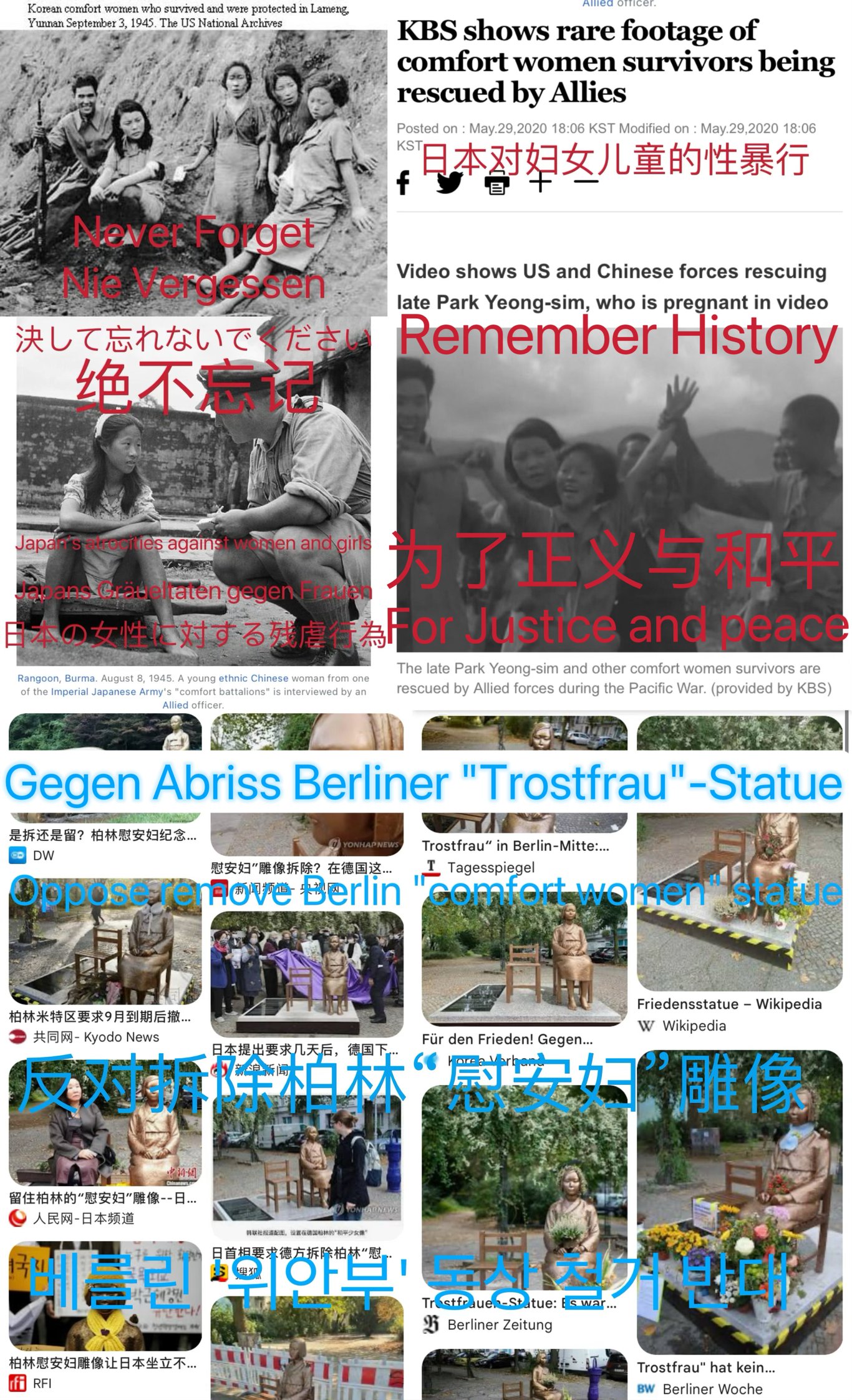
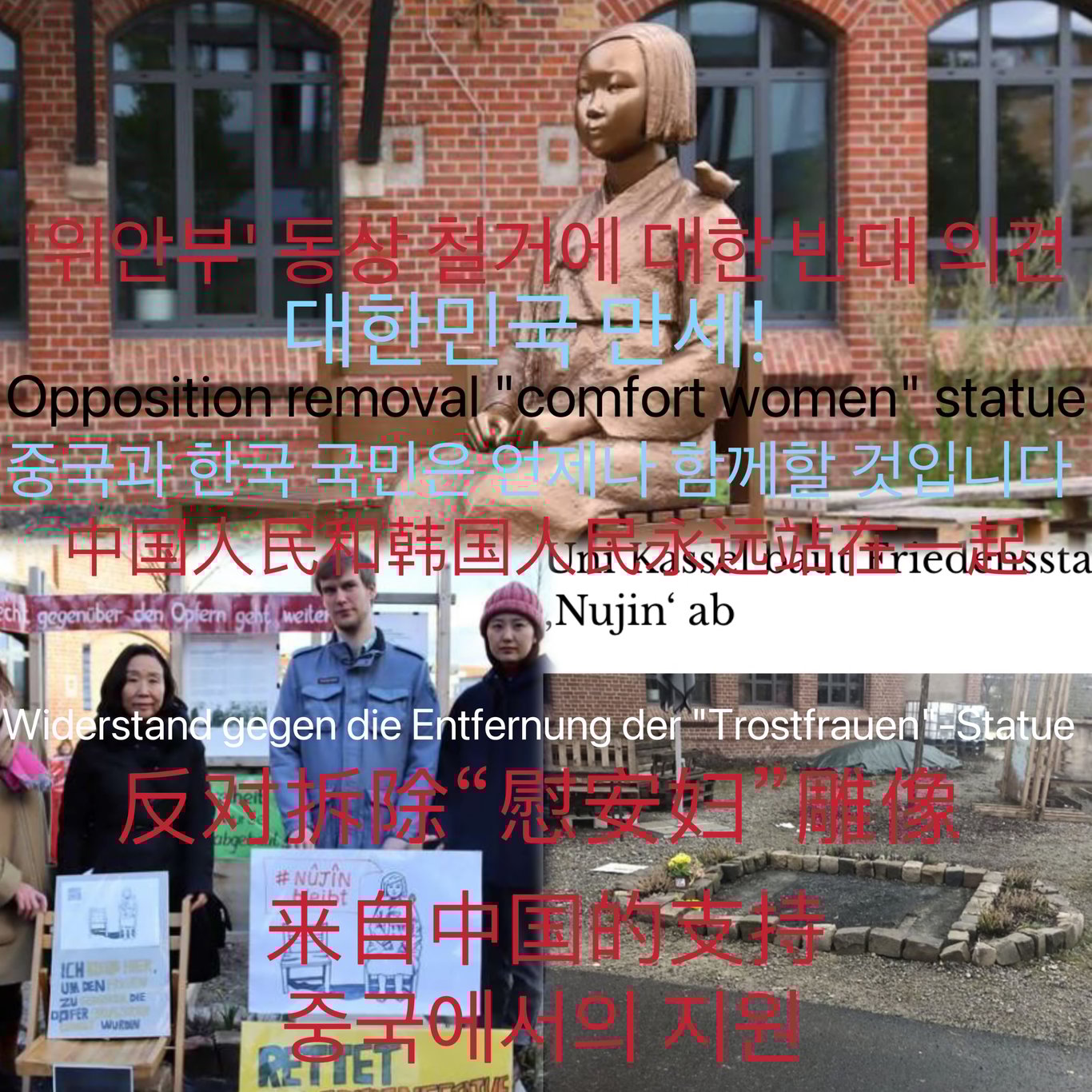
  日本不仅在国内保留和弘扬法西斯与军国主义,还在国际上干预其他国家、阻止展示日本战争罪行。如韩国民间团体推动在世界多国树立纪念被日本强征为性奴隶“慰安妇”雕像,就遭到日本从官方到民间的强烈阻挠,时任首相安倍晋三和岸田文雄等人都亲自干预和游说他国,安置雕像的美德澳等国日裔人士也进行诉讼干预“慰安妇”雕像树立,有些拟树立的雕像(如在德国弗莱堡)已失败、还有已树立的被拆除(如德国卡塞尔、台湾、菲律宾若干“慰安妇”雕像”),以及有些在拆除与不拆除中拉锯(如在德国柏林)。

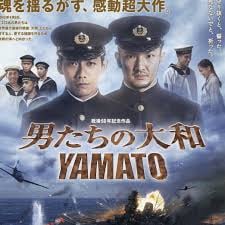
  而更早时,韩国联合中国及其他多国将“慰安妇”历史资料申请联合国世界遗产,也被日方阻挠而申遗失败。 中国民间团体和人士纪念南京大屠杀遇难者,如著名僧人星云大师在荷兰进行为南京大屠杀亡灵哀悼的佛法画作《屠·生·佛》等宗教与人道主义内容的展览,就遭到日本驻荷兰使馆的各种阻挠干预。日本还阻止加拿大等国华人申请将南京大屠杀遇难者纪念日作为国家官方认可纪念日的努力。(而同时,日本却在全世界各地宣传广岛和长崎核爆,且基本未受阻拦。日本还拍摄更多美化、浪漫化侵略战争的影片,如《男人们的大和》、《永远的零》等,渲染日军的勇敢、悲壮)

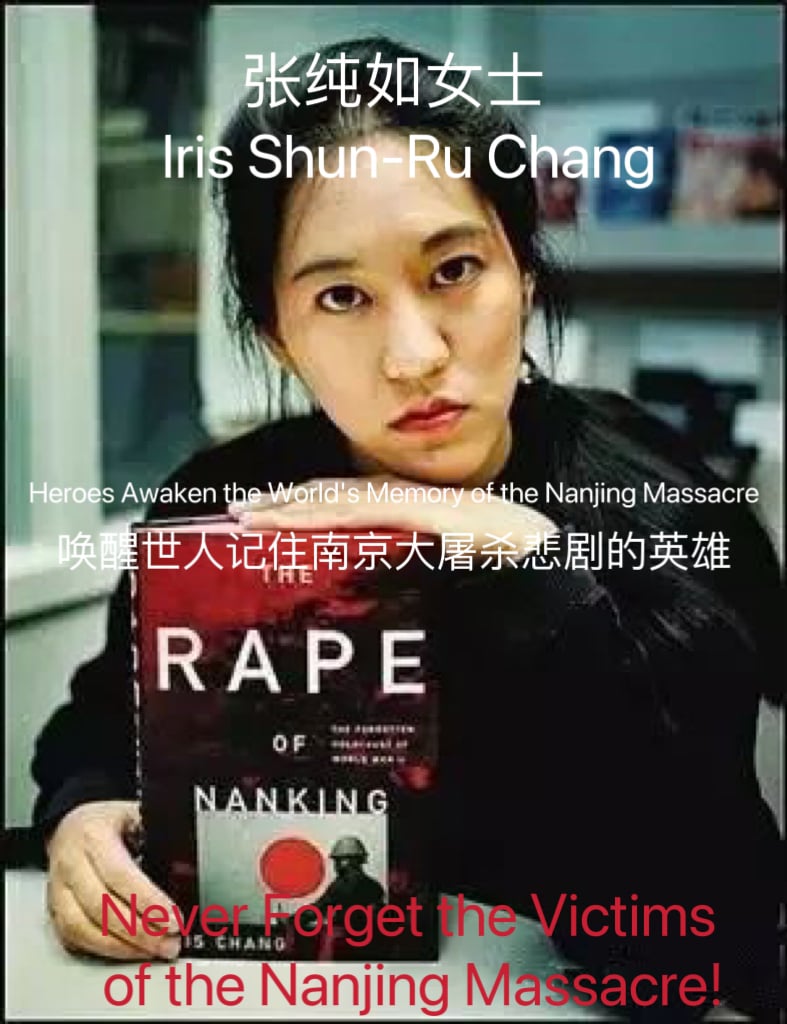
  而写下《The Rape of Nanking》、唤醒人们广泛关注南京大屠杀的美国华裔作家张纯如女士,写下这部书和进行若干演讲宣传后,就遭到日本右翼势力、日本政府、美国日裔人士包括亲日美国人的攻击和骚扰,包括侮辱谩骂、寄递威胁信件、诋毁其道德、质疑其学术能力等。张纯如女士最终自杀身亡,有多种原因促成,而日本方面的骚扰攻击是最主要的原因。

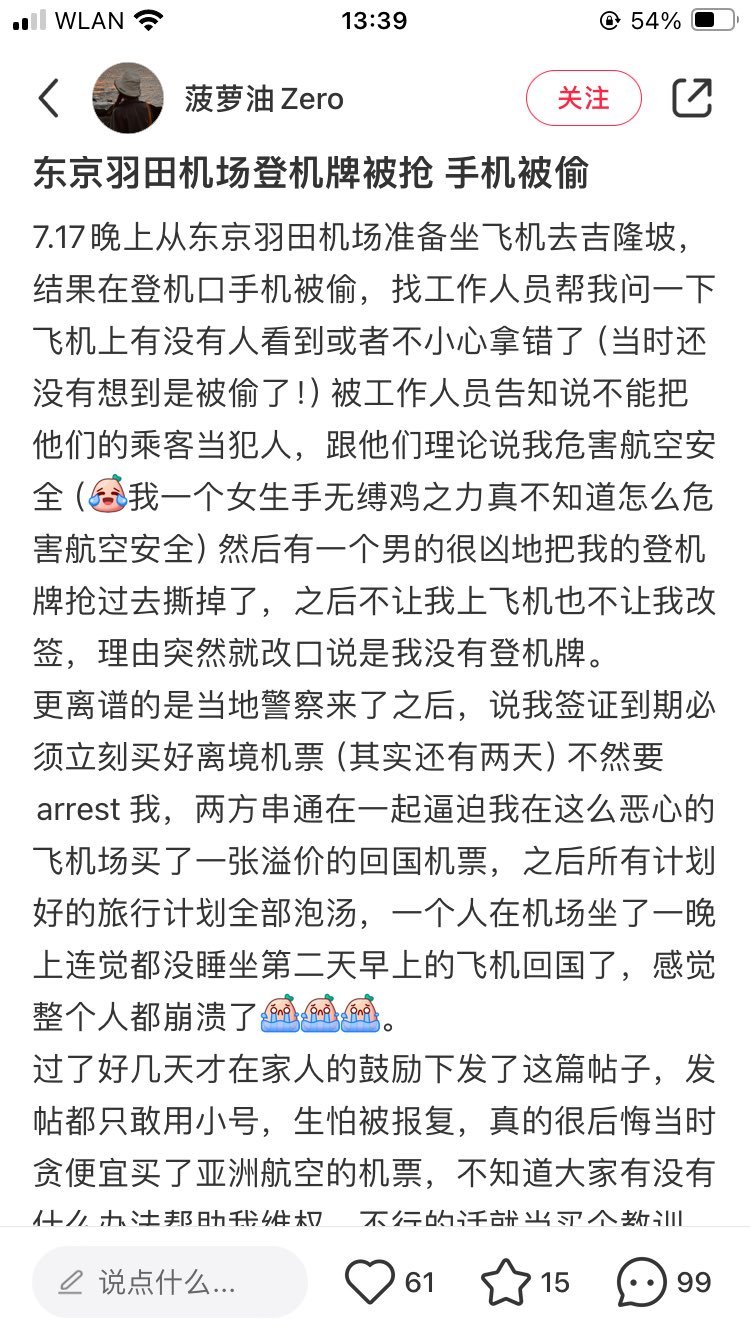
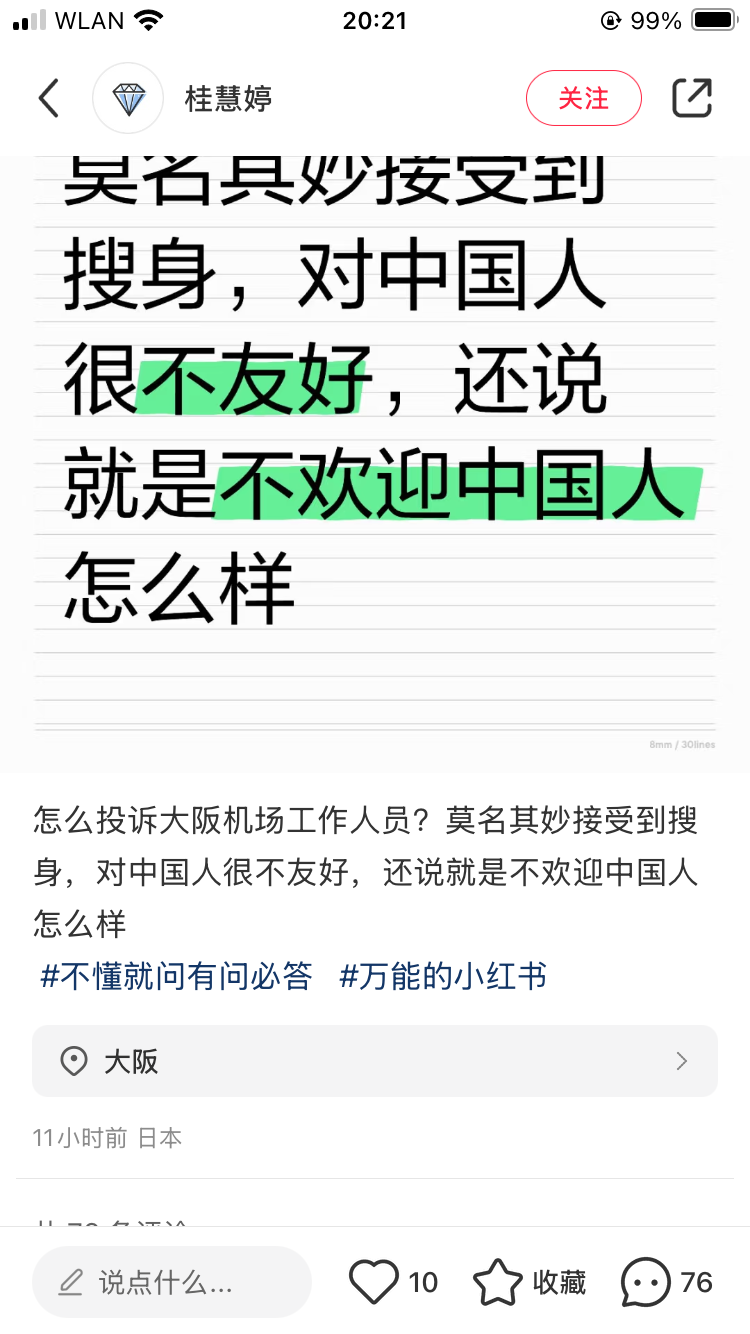
  除了历史问题、侵略问题,日本当下还广泛存在针对外国人、外族人尤其中国人的种族歧视和排斥。许多赴日旅游的中国人都在小红书等处诉说过在日本被日本人种族歧视的事件。还有不少日本人借助所谓“规矩”,如不能在地铁打电话、阻止客人在店内吃外带食物、把在公共场所为手机充电称为“偷电”等,来特意欺负外国人的情况。

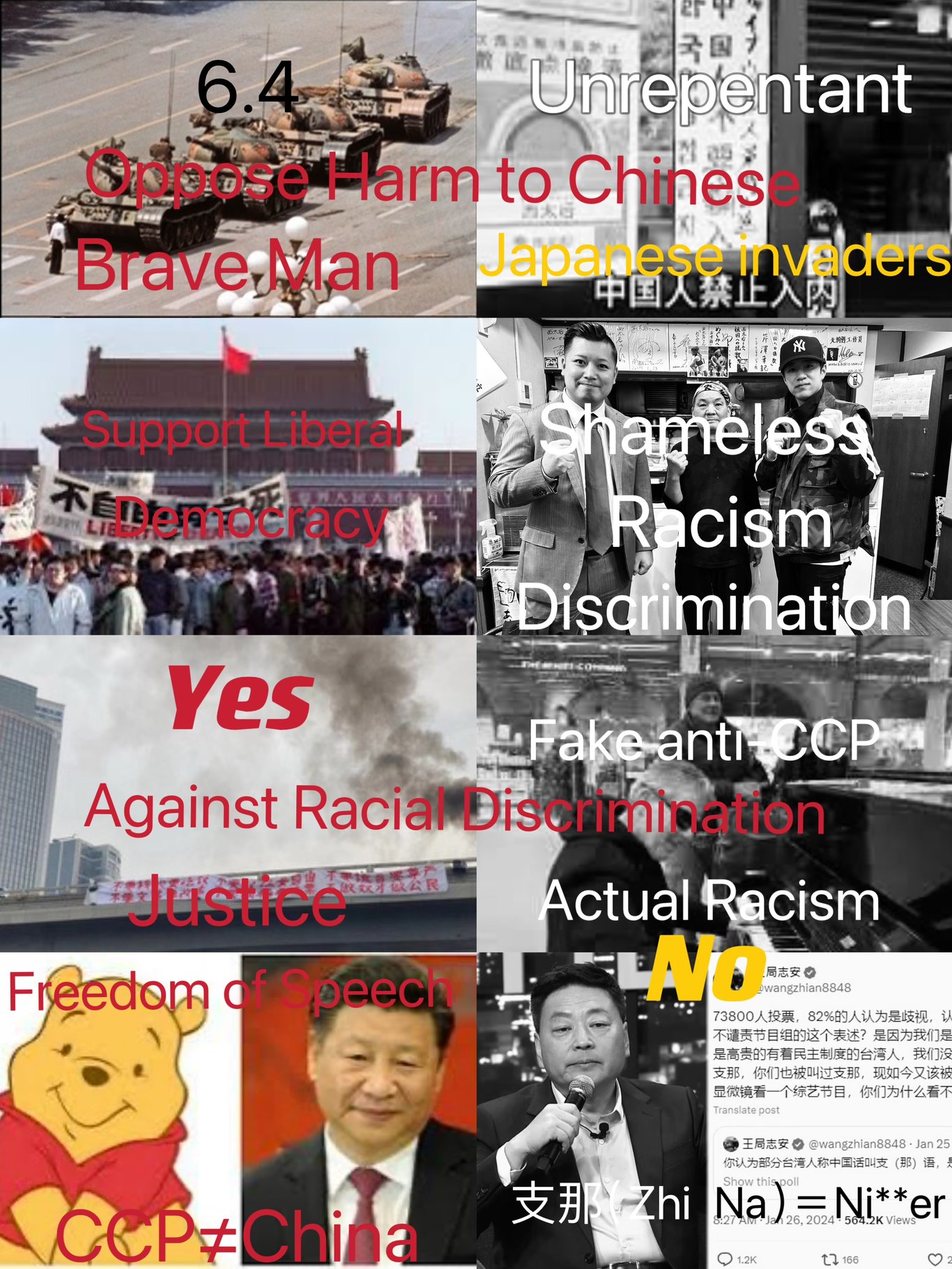
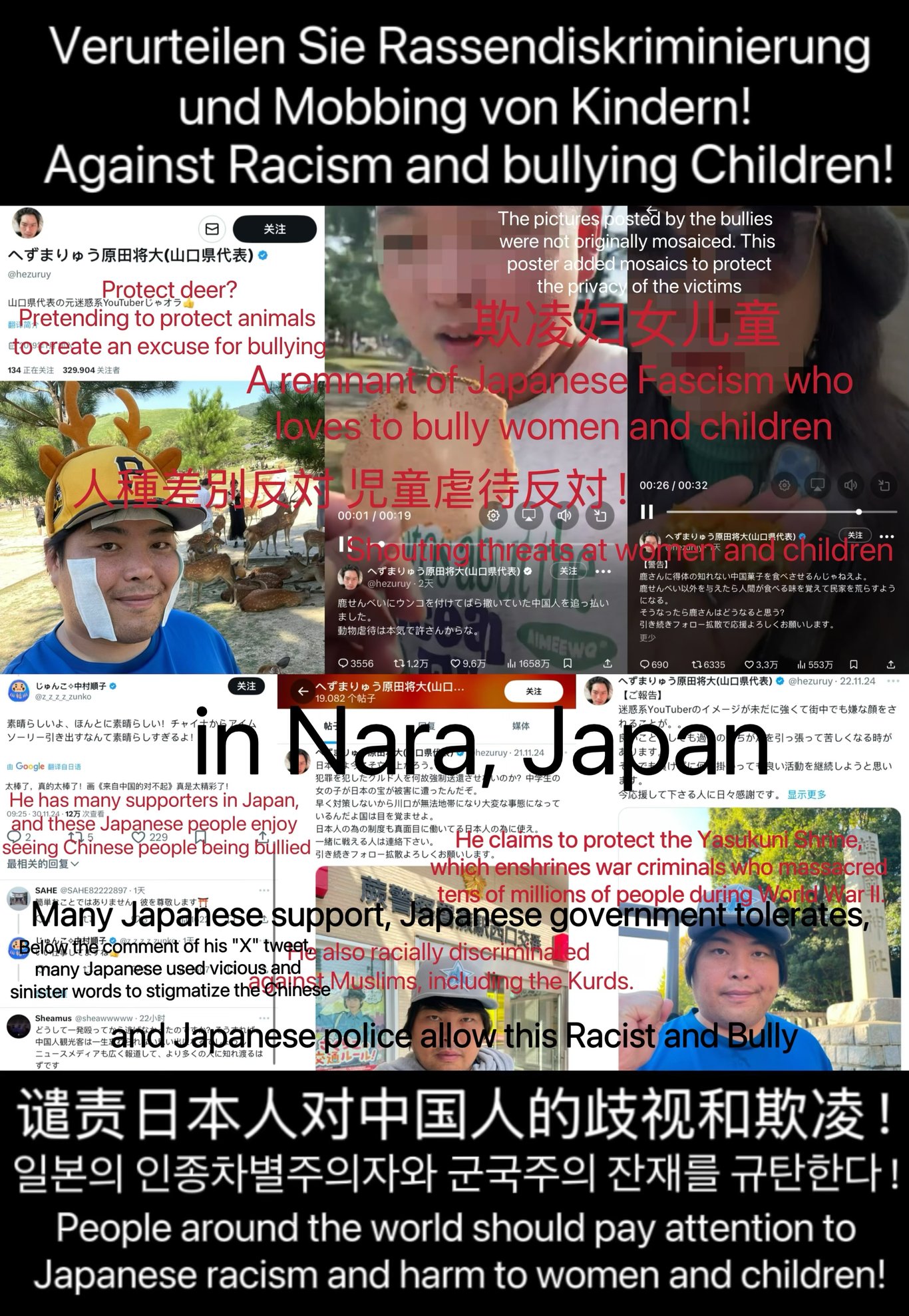
   还有一些更加突出的案例,如日本一家名为“中华西太后”饭店,打着“反共”旗号行种族歧视之实。一个日本网红“原田将大”长期在奈良鹿园以“保护鹿不被踢打”等名义骚扰和攻击中国游客,包括欺凌中国妇女儿童。而此人不仅未被日本警察和市民阻止,还有不少人在网上和现实中对其表达支持,今年7月他还选上了奈良市议员,可见其所作所为有深厚民意基础。

   而日本媒体往往也选择性报道中国籍等外籍人士犯罪行为、鼓动反中情绪,日本议会排外政党日益崛起、民众抗议外国人得到“特权”、政府取消外国人留学生奖学金等。日本的警察、政府人员、机场管理人员等,也有不少针对中国人的歧视、刁难、选择性执法、不作为等行为。这些都反映了日本的种族主义和排外的兴盛。

   这一切都证明,日本并未与1945年及之前法西斯主义、对外侵略扩张、军国主义和殖民主义真正切割,而是充分继承了1945年之前的邪恶。只是由于塑造国际形象、中韩美等国一些压力,用“和平”、“民主”、“人道”的表象掩盖住了其累累罪行和不悔改的立场。当日本不仅不切割、还公开继承1945年及之前历史遗产、主动将侵略时代与当代进行深度连接,中国及其他二战反法西斯国家更不应该将当今日本与历史上的日本当成两个完全不同的实体对待,而应正视并明确二战及战前日本与战后至今日本存在的继承性,包括其体制、成员、价值观、利益、责任的多重继承性。

  而日本的高度发达、文明、繁荣,既建立在1945年及之前数十年侵略和掠夺,又通过战后处于国力和经济的相对优势地位对弱势国家的剥削,才得到的,践踏、掠夺、剥削的是他国他族他人(虽然战后日本的对外经贸和援助,客观上对中国、韩国、东南亚经济发展也确有一些促进和贡献),发达、文明、繁荣,以及自由民主法治的得益者,是日本人自身。这样缘由促成的发达文明繁荣的日本,不仅不必赞美(当然可以就事论事技术性称赞,但不可从本质上崇拜尊奉之),还应当批判其殖民掠夺的罪恶、给其他国家人民带来的苦难。

   虽然目前日本没有对外军事扩张,但未来是否重现当年侵略朝鲜半岛、中国、亚洲,甚至试图“八纮一宇”征服世界的侵略行径,是不确定的。日本本土狭小、地震灾害频发,让其一直有侵略他国、占领本土之外区域的强烈企图。而随着世界各国右翼民粹主义、种族主义、极端民族主义兴起,全球重新走向丛林化,以及气候危机破坏生存环境,各国间战争增多,日本再次成为侵略扩张的帝国可能性很大。而且由于朝韩和东南亚国力较弱,难以抵抗日本,中国内部矛盾剧烈且很多亲日派、俄罗斯也在衰败、美国在收缩力量,都给日本再次扩张的机遇,且多数国家难以抵挡。这样情况下,中国在内曾受日本侵略和伤害的国家,更应对日保持警惕。

   第七,日本并不关心中国人权、并不积极支持中国自由民主,其反中反华反汉远胜于反共,以反中共为名掩饰反中之实,参与打压中国也并不能为中国带来自由民主,只是更加损害中国国家和人民利益,让中国人遭受多重压迫。中共反对派亲日不能换来日本有力支持中国民主事业,只是重演百年历史上日本操纵中国各党各派对立互害、内部互耗,被日本利用、让日本渔翁得利。中共和反对派对立、相互攻讦,不惜在抗战纪念上撕扯、以国家利益为代价牺牲,受害的是中国人民。

   许多中国人尤其自由派、政治反对派,之所以选择亲近日本、淡化甚至洗白日本侵华,并反对纪念抗日战争,还支持日本右翼及日本政府与民间的反中排华,其动机和理由是,中共专制压迫中国人民、危害亚太和平、侵略世界,而日本是民主国家、是“文明”和“正义”阵营,所以应该支持日本联合美国、欧盟、澳洲等民主国家打压中国,也就能推翻中共、让中国实现自由民主、捍卫世界和平。

    这又是从事实认知到价值判断的全面错误。首先,除了极少数真正在乎和致力人权事业、且不分族裔和国界博爱各族的日本人,包括日本官方、主流政党、主要政治人物、社会精英、庶民大众的绝大多数日本人,根本不关心中国人权问题、不在意中国人民的苦难。甚至在中日纷争下,许多日本人还对中国人的苦难幸灾乐祸。

  相对于美国、英法德、加澳新等西方国家经常就中国人权问题发声,包括营救和安置流亡政治犯、大使馆公开纪念六四事件、对中国人权问题发表声明、部分的将外交经贸等与人权挂钩,民间组织和新闻媒体也颇多对中国人权和民生有长期的报道、同情关怀、协助(虽然也都很有限),日本在这些方面长期是沉默的,或仅仅功利性而非真诚的关心的。

 而日本一些政党、少数名人、民间组织有时虽也提及中国人权,只是为了给中国施压、让中国减少对抗日战争的纪念和对日本战争罪行的谴责,以及分化中国人,让日本可以从中渔利。还有,日本较为强烈关注的“中国人权”,往往是新疆、西藏、内蒙古、香港、台湾等边缘地区、与中国汉族身份认同迥异区域的人权状况、族群关系情况,其目的是利用中国少数族群来瓦解中国、制衡主体人口汉族人,是非常功利的,而并非真心出于人道主义和正义感。

  这样的行为和目的,同样继承了1945年及之前日本对中政策,即发现和利用中国内部矛盾,有时还加以激化,让对立双方都有求于日本,相互冲突无法团结对抗日本等外敌,日本从中得利。如日本和满清爆发甲午战争(日本称“日清战争”),日本就利用汉族反满情绪和满清防汉心态,发布《告十八省豪杰书》等方式,迫使满清为统治稳定,对日妥协、割地赔款求和。晚清和民国初年,则同时和满洲贵族集团与汉人革命党保持合作关系。汉族主导的民国稳定后,日本又策动满蒙“自治”和独立,还渗入疆藏和回民区,以图打造对汉族民国的包围网。日本侵华和战后,日本又利用国共之间的矛盾,让国民党和共产党都对日妥协、拉拢,日本坐收渔利。

   日本也擅长打着一些虚假旗号,来行侵略破坏之实。如日本侵略中华民国,有时打着“打击共产党、防止共产主义渗透”的旗号,有时又声称为打击“鼓动反日排外、英美傀儡、腐败的国民政府(参与侵华的日本左派还声称打击蒋介石是为了“反法西斯”)”,以及说自己来建设“大东亚共荣圈”等掩饰真实目的。而日本无论打着什么旗号,本质都是为了侵略和殖民中国(包括直接殖民和间接控制)、剥削压迫中国人民、主导东亚和亚洲霸权、为日本掠取利益、让日本人享受侵略和殖民红利,且都伴随着对中国人的屠杀、压榨、奴役。

   而当今日本以“反中共”等名义的各种对抗、围堵、打压中国的主张和行为,与之前一百多年相比可谓“换汤不换药”,甚至“汤”都不换,仍旧以反共之名掩盖反中之实。日本利用自身在西方和自由民主阵营的立场优势,以“民主对抗专制”、“防止中国侵略扩张”为理由,来压制中国的发展、削弱中国影响力,以图维护日本在亚洲的主导地位和利益,也以此抵挡中国对于日本二战战争罪行的声讨和追责。

   笔者一直追求中国民主富强、国民幸福,并认为民族、民权、民生,缺一不可,且认为民族(汉民族主导的中华)议题方面要相对优先。但如果日本真的愿意努力结束中共极权暴政、促成中国民主自由,并在其中起到关键性作用,笔者也不反对在一定时期内降低或搁置对抗日的纪念。之前的1980-1990年代,中共政权/中国政府为中日经贸关系和日本经济技术援助,强烈压制抗战纪念和追责,笔者虽不乐见,但是能够理解和接受的。面对赤贫的人民,解决民生困苦,比历史责任和记忆更急迫。

  但关于中国民主化问题上,即便不纪念抗日战争,日本也不能且不会真正帮助中国全境实现自由民主。对中国的战略围堵、经济制裁,甚至军事攻击,还会让中国人民遭受中共之外又一层压迫,双重压迫、双重伤害。即便客观上打击了中共,但中国国家和人民更受损害,中共也不会因日本对中国的敌对和压力而垮台(即便未来垮台,也是其他原因促成)。

   既然如此,在无法实现中国民主化目标情况下,为什么还要舍弃对抗日战争的纪念、放弃对日本战争罪行的谴责呢?两件大事失去其一,就已经痛苦不堪,为何还要再弃另一者,如断一臂后再自斩另一臂?何况如前所述,正是日本摧毁中华民国,中共才能趁机夺权执政;日本和中共几十年狼狈为奸勾兑合作,才让中共不断续命。这就更多了(而非更少了)纪念抗日战争、谴责日本罪行的理由,批判中共的中国反对派,比一般人应该更积极、更投入纪念抗战和谴责日本才对。

  中国反对派人士如果对日本那些表面正义的伪诈口号信以为真,被日本右翼和伪左翼的政治狗哨迷惑,那就上当受骗了。虽然可悲的是,中国反对派中已经有许多人亲近日本、为日本侵华洗白、阻碍对抗日历史的纪念,已经上了“贼船”。

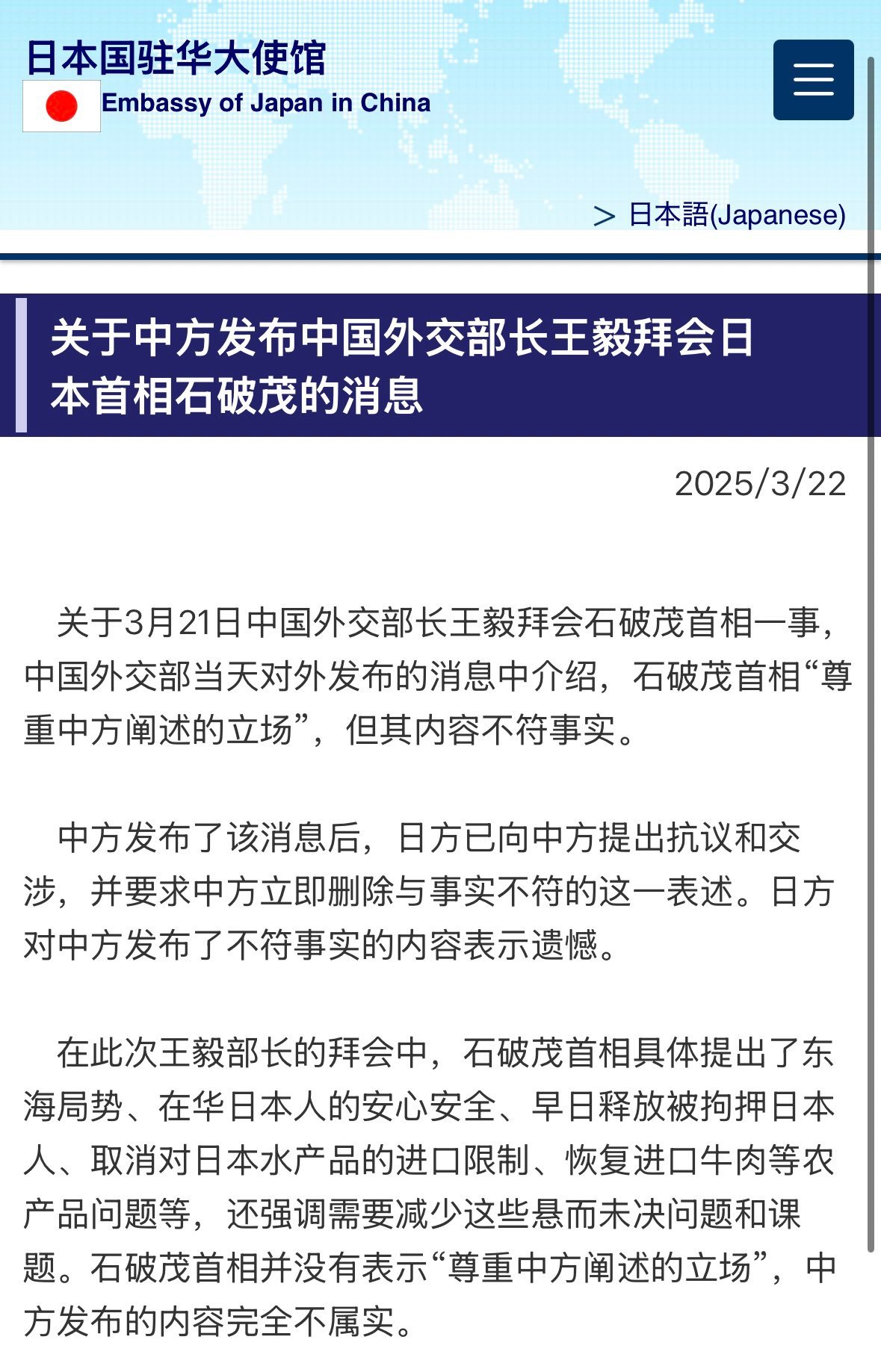
  当然,中共、中国建制派也一直与日本保持密切往来,并整体压制和限制抗日纪念与对日追责,以换取日方带来的经贸利益、文化资源、外交支持(尤其拉拢日本对抗美国)等。今年抗战胜利80周年,日本石破茂政府公开在国会质询中否认《中日联合声明》的法律效力,还否认在中日外长会谈中“尊重和理解”中国在抗日战争问题上的立场,而中国方面对此却异常低调,没有就这两件事加以批驳。显然,中共迄今仍然在对日妥协、软弱,以换取日本在内忧外患下仍然支持中共政权。

   现在的中国对日关系、日本对华策略、中国各派对日态度,和百年前及数十年前是相似的。无论执政者还是反对派,为了自己派别狭隘的目的、团体和个人的私利,都拉拢和讨好日本,且为此不惜放弃历史追责、压制或阻挠抗日纪念、有意边缘化甚至诋毁声讨日本罪行的人士、践踏民族尊严和国民情感、出卖国家和人民利益。这确实是悲哀的现实,也是中国一直无法正常纪念抗战、追责日本、为受难者讨还正义的重要原因。

  第八,中国国内矛盾激烈、充满不公平,许多国人遭受政权剥削压迫、蒙冤受屈,被国人同胞虐待、生活痛苦,国家政权利益与人民利益不一致且高度背离,国民身份认同混乱/缺失、民族意识淡漠或错位、价值观扭曲、思想迷惘、缺乏真实共同体和“共同底线”,不同身份、政治派别、立场、观念、利益取向者相互对立、社会高度撕裂,这些人发自内心抗拒纪念民族苦难与辉煌史,更多人缺乏自发、自觉、自主纪念抗战的意愿和勇气,是纪念抗日战争及其他许多事情上遭遇阻力、破坏、扭曲,无法团结同心记忆民族历史、缅怀受难同胞的深层原因。

  前面七部分,已经基本对于那些反对纪念抗日战争、质疑抗战纪念必要性、阻止宣传南京大屠杀和731、淡化和回避抗战及日本侵华罪行的各种说辞进行了批驳。其实,前面就事论事的批驳,并不能改变如今许多中国人无视或反对纪念抗战的态度和行为。因为他们中起码一部分人,是并不在乎事实本身,也不是就事论事来评价抗日战争及对待抗战相关问题,而是因为自身的身份、人生境遇、价值观念、其他诉求,以及社会现实情况和种种抗战问题之外的因素,让其被外部驱动、自身也半主动的如此态度和行为的。

  中共建政以来,长期实行严酷统治,毛时代杀害和致死几千万人,让大多数中国人处于赤贫和难以温饱状态,国人相互残酷斗争、互信和道德荡然无存,还破坏了中国人尤其汉族人的身份认同、文化传承、共同体秩序。而邓小平推动改革开放以来(包括胡耀邦-赵紫阳时期和江泽民-胡锦涛时期),虽然发展了中国的经济,但也造成了贫富悬殊、腐败堕落。人们普遍丧失信仰、没了良知,一心为了利益和肉欲,社会达尔文主义盛行。

   而习近平统治以来,结束了之前政治有所宽松的状态,进一步扼杀言论自由和新闻自由、政治改革停滞、分配改革有名无实,阶层固化越发严重。这些年中国社会充满不公平,但人们又没有正常有效渠道反抗,乃至发声都被禁制。而2020-2022年三年新冠“清零”政策更是极大侵害人权、民生凋敝,中国从国力上升转为经济下行,更多人感受到痛苦甚至绝望。即便不谈自由民主问题,“衡水模式”高压教育、“996”式的辛苦工作、“月入3000”的微薄收入、高昂的教育医疗住房开支,就已让大多数中国人辛苦又痛苦的活着。底层赤贫者更加糟糕,农民基本养老金仅120元人民币左右,许多老人在贫病交加中自杀。

  以上这些,也都反映出代表中国国家的中共政权/中国政府,与大多数中国人的利益并不一致,甚至是相背离的。中共政权的强大,并不能为中国人民带来好处,只是为中共权贵更加巧取豪夺提供保障。中共权贵与人民当然也是对立状态,而不是正常民族国家那样上中下阶级相对团结互通的情况。人民没有对国家的认同和归属,也对国家利益、民族叙事缺乏兴趣,连带对纪念抗日战争等有益事情也厌恶和否定(何况中共确实有利用纪念抗战为自身贴金的目的,更引发许多民众逆反)。

   而由于中共政权残酷统治,以及许多其他内外因素,中国国民之间(也包括海外国人和海外华人之间)存在严重的内部矛盾和互害,国人缺乏共同认可的道德准则和共同遵守的社会契约,在贫穷、无法治、残酷竞争中相互伤害,且往往不择手段、没有底线,到处是欺骗和背信。正常国家民族的同胞,本来应该互助大于冲突、爱大于恨、在共同体内感到家的温暖。但中国人之间则是冲突大于合作、仇恨超过亲爱、没有共同体或只有虚假共同体,饱受同胞的虐待。这样的情况下,许多国人当然不会对同胞有关爱,并发散到对所有中国人乃至历史上中国普通人的恨意,对外敌杀戮国人不仅不痛心疾首,还暗暗欢喜甚至公开拍手称快。

   中国许多民众都不满于中共政权、也痛恨既得利益者,那些过得幸福的国人不愿理解、更不关心不幸的那部分同胞,社会撕裂,不同阶层和身份的人们相互仇恨和对立。许多中国人从同胞那里,经历的不是帮助而是坑害,感到的不是温暖而是冷漠,国人之间也没有共同遵循的公序良俗,为私利坑害别人且没有底线,恶性循环下同胞之间隔阂与仇恨越来越深。那些失意者、绝望者,以及不认同如今官方“主旋律”的中国人,无法推翻政权和改变现实,也不能精准报复伤害自己的具体人,就逐渐转向对中国和中国人的无差别仇恨、对民族历史的否定和虚无化、玩弄民族伤痛和嘲笑死难同胞,以及与中共和政府故意唱反调(敌人支持的就反对、敌人反对的就支持)。

   还有一个非常重要也被普遍忽略的问题,即占中国人口90%的汉族人,大多数都没有清晰和坚定的身份认同,并没有与其他汉族同胞互相爱护、相互支援、同生共气,汉族人也没有真正的民族共同体。真正有民族认同和民族情感的人,一定会对民族是上的大事格外关心,也一定为历史上受难的同胞哀戚,也一定为反侵略英雄肃然起敬。但如今的许多汉族人,不在乎抗日战争牺牲者,即在于其没有民族的归属和情感。当这些人不愿意站在自己民族的立场,甚至有意站在敌对族群一边,那么对于抗日战争议题的任何讨论,即便看似就事论事,也会以各种理由反对和淡化纪念、以各种借口为日本洗白。

  当今的汉族中国人普遍没有共同的信仰和默契,对于当下同胞的情感和利益都不能尊重和互助,更不在乎历史上汉族同胞的苦难。多数汉族人一盘散沙、自私自利,还为私利坑害同胞。还有一些汉族人成为逆向民族主义者,亲近欧美、日本、满蒙港台疆藏等其他各国各地各族。这就不仅不能共情同胞、记忆历史,还站在对立面一边仇恨汉族、嘲讽汉族人历史上遭受的苦难、屠杀、抵抗。

  而汉族之外其他少数民族,除少部分民族(如朝鲜族)曾积极参与抗日战争,大多数非汉少数民族并未有汉族在日本侵华中的牺牲烈度、抗战中的出力程度,其中有些族群当年更多倒向日本(如满族、蒙古族、鄂伦春族等),有的族群还有很强反汉和对中国的离心倾向(如维藏族群),还有的曾在抗战中参与和贡献很大但当下处于被压迫状态(如回族),就更加不愿意纪念抗日战争,甚至有动机美化日本侵略。当然更多是对抗战无感,除被官方组织参与纪念抗战活动外,普遍没有自主积极的参与纪念抗战。

  至于“中华民族”,是基于国籍所构建的多民族联合体,缺乏真正的历史基础和共同体凝聚力,并不能让汉族及其他各民族有认同感、团结心、为此付出感情与血汗。而当今中国–中华人民共和国,也并不是汉族及其他许多少数民族真正的家园,中国大多数民族的多数成员,大多数民族的大多数人并没有对“中华人民共和国”、“中华民族”有真正的归属感、认同感。而“中华民族”内部各族群,相当一部分都有根深蒂固的历史仇怨和现实矛盾,不仅不能真正团结(只能在中共高压下表面和谐),还相互斗争,让中国内部更加撕裂和不安。

  不仅民族认同问题,中国各种政治派别和社会势力,不同政治立场的人,如中共政权支持者和反对派、建制派和民粹派、左派和右派、激进派和保守派、自由派和威权派、体制内与体制外、精英与草根、男性与女性,以及不同地域、不同行业、不同出身者,以及各派各行业各势力内部,都矛盾激烈、党同伐异、相互残酷斗争、你死我活,普遍将自身利益、派系立场、个人诉求,置于国家人民利益之上,并不惜勾结和依赖外敌、使用破坏性方式,损害和出卖民族共同体的整体存在、尊严、利益。

  而且因为中共政权的恶政,以及五毛粉红(中共支持者)无论是非的拥护,以及他们对西方/外国的无脑诋毁,也就催生了另一种与其立场相反、但本质相似的人,即凡是中共支持的就反对、凡是中共批判的就赞美,一切故意“反着来”。而事实本身则变得无关紧要。而随着中国社会矛盾激化、中共和五毛粉红有利于蛮横无理,反对派也越发极端化、“两个凡是”立场和言行的也越来越多。知乎上就有人评论到“如今中国,只有两种人,支持政府的,反对政府的”,而缺乏基于事实和是非本身评判事情、决定态度和如何对待的。而试图中立公允阐述事实、同时批判中共和日本的、基于事实调和争议的,越来越被排斥和边缘化。

  正是这样的历史和现实背景下,许多中国人不愿纪念抗日战争,因为他们要么自身生活痛苦、贫困、周遭充满冷漠,愤慨于无人关怀他们、无人照拂他们的权利和关切,无心也无力关心纪念80年前的抗战、日本侵华的死难者;

   要么自身及家人更多经历文革、六四、新冠清零等中共统治带来的创伤,更在意这些历史而非更遥远的抗战(毕竟中共迫害人权的事件相对较近,还活着的亲历者、幸存者更多);

   要么没有民族认同(尤其汉族人缺乏汉民族认同)和身份立场,自身价值观是反民族的自由主义者、醉心于“民主对抗专制”逻辑而不关心国家民族历史者,排斥民族叙事,也不关心80多年前“与自己无关”的人,无论具体事件正义与否、价值如何,以“反对仇恨”、“反对极端民族主义”来行精致利己之实;

   要么遭受政府和同胞伤害、四处求告无门,还遭到“维稳”和报复,忍气吞声苟且存活,内心充满怨恨,不仅不痛心于同胞被外敌杀戮,还幸灾乐祸赞美屠杀、伤口撒盐,以抒发愤懑和怨毒

   要么因为反感中共统治、宣传、内外政策,干脆对中共一切行为都条件反射式的、不分青红皂白的反对。既然中共纪念抗日战争、赞美抗战英烈、批判日本,那么就反对纪念抗战、诋毁抗战牺牲者、赞美日本……

   以及许多人同时有以上经历、价值观、立场,混合在一起更抗拒纪念抗日问题。

   所以说,许多中国人不愿纪念抗日战争,有着复杂和深层的原因/问题,这些问题不能解决,也就没有民族凝聚力,无法对历史上同胞的苦难与抗争产生真心的感情和铭记意愿。

  从一方面说,纪念抗日战争与当下人权民生问题是两码事,不应该因一者影响另一者,纪念民族英雄和罹难者也不应以绩效和功利态度看待。但另一方面,现实的种种不公义、生活的苦难、同胞带来的伤害,确实让许多国人丧失了记忆历史能力和同情抗战受难同胞的意愿。相对于日本人等外国人,当代中国人遭受的大多数伤害确实来自中国人。客观说,对于许多痛苦的尤其饱受迫害的中国人,也不应苛责。

   相对于抗日战争胜利60周年(2005年)、70周年纪念(2015年)时中共执政者、反对派、人民大众都较愿意纪念、态度冷淡者也较少阻止的情况,今年(2025年)的抗战胜利80周年纪念遭到更多中国政治反对派、自由派、反共人士的攻击,纪念更加受阻,也是中国社会矛盾激化下难以避免结果,是中国悲剧历史的延续。中国若不能实现自由民主,国家利益与人民利益不能相对一致、国民的民族民权民生的观念不能真心觉醒和实践中真正实现,纪念抗日战争及其他内外重大事务,都会广泛出现冷漠、阻力、破坏。

  不过,许多中国人不积极参与纪念抗战尚可理解,但若背叛汉民族、仇恨同胞、洗白侵华、侮辱抗战牺牲者,那无论如何也是不可接受、不能原谅的。他们这种恨国和泼污抗战牺牲者的行为,也并不会换来对中国人权的促进,更不能推翻中共专制和带来民主幸福,更增加了民族的苦难与同胞的离心,更不利于中国走出困境和人民自由解放。当然,对于没有任何民族意识甚至对本民族/汉族充满仇恨的一些中国人,他们也不考虑这些利弊,只是借解构抗日战争、嘲笑死难者,来发泄自身愤懑、抒发其邪恶情感,并不能通过规劝改变。

   第九,如今中国现实确实不利于纪念抗日战争,内忧外患、社会撕裂下必然诸多阻挠和种种离心。但纪念历史、铭记国殇、吊唁先人,是国人应有情感,也是应尽之责。作为中国人、汉族人、中华认同者一员,无论现实风向潮流如何,都应从心到行纪念抗战、告慰逝者。

  根据以上阐述分析,当今的中国确实面对诸多忧患,尤其内部矛盾剧烈、社会撕裂、国民身份认同混乱,思想潮流和舆论风向也是黑白混杂且不利于中国和人民,导致许多人不仅没有意愿纪念抗日战争,还以种种理由/借口阻挠和诋毁纪念抗战的行为乃至抗战本身,甚至洗白日本侵华。

  而如果中国社会矛盾不能得到有效缓解、中国没有根本性的有益变革、中国政府和人民利益不能一致、中国人尤其汉族人不能有清晰正常的身份认同、人民生活继续痛苦,那么无论现在还是未来纪念抗战,都必然面对诸多麻烦和阻力。这些麻烦和阻力有些来自日本等外部,更多则来自中国内部、全球华人内部,且内部破坏更加防不胜防、难以杜绝。

   而那些拒绝纪念抗战甚至破坏纪念、诋毁抗战的国人/华人,往往出于立场、经历、利益、被洗脑等,很难改变其对抗战的态度,不能指望通过讲道理说服和改变。

   在这样的情形下,正常的、有良知和正义感的、有民族情感的、在普世人权基本底线之上的中国人与海外华人,尤其汉族人民,要明晰身份认同、明辨是非、坚守良知,不应被各种干扰破坏而影响对抗日战争的认识和对抗战牺牲者的缅怀。

   在思想混乱、浊流遍地的现实下,人们更应该明辨是非、坚持原则,以各种方式坚定的纪念抗日战争,铭记中国国殇和亿万受难同胞。例如向国人和世界人民宣传抗日战争、宣讲中国人民在二战反法西斯战争中的巨大付出和卓绝贡献,让世人都知道二战后和平繁荣皆有当年中国抗战反法西斯者的功劳。

   即便做不到这些,哪怕只是在心中为抗战受难者和烈士们加以铭记、默默表达哀思,也尽了心,让烈士和死难者灵魂有所安慰。在民族继续处于苦难、内外交困状态下,每个成员/同胞/人都仍然传承民族历史、告慰逝者、守护正义。这样的纪念基于抗战本身的重要、对牺牲者理所应当的缅怀,并不是出于任何其他动机。

   这样的各自坚守和纪念,确实是不如没有破坏和歪风恶气影响情况下,万众同心的、极为隆重的、毫无保留的纪念抗日战争、缅怀抗战受难者和英雄烈士。在混乱、污浊、败坏的当今中国、当下世道,只能退而求其次,每个个人以光明的心地、最简单的善恶标准、朴素的感情,为那些在抗日战争中遭受巨大苦难的先人奉上真诚的哀悼、向牺牲的抗战英烈致以崇高敬意。这也是对抗战结束后数十年被抛弃、侮辱、践踏的抗战牺牲者与幸存者们微薄的弥补、迟来的告慰。

王庆民

2025.7.30(初稿)

2025.8(多次修订)

参考资料

参考书目:

《抗日战史》–中华民国国防部

《国殇–国民党正面抗战纪实》–张洪涛 

《抗日战争史料丛编》–中国社会科学院近代史研究所、中国抗日战争史学会

《不朽的光荣–第二次中日战争史》–郑浪平

《拉贝日记》–约翰·拉贝

《东京审判亲历记》–梅汝璈

《南京大屠杀:被遗忘的大屠杀》–张纯如

《剑桥中华民国史》、《剑桥中华人民共和国史》–费正清等

《中国的内战:1945-1949年的政治斗争》–苏珊·佩珀

《东北专电:大公报里的政声与民生》–张刃

《毛泽东–与日军共谋的男人》–远藤誉

《零年:1945》–伊恩·布鲁玛

参考文章与媒体报道:

《中日关系良好年代.中曾压制民间向日索偿》–星洲日报

《中国放弃日本战争赔款的来龙去脉》–抗日战争纪念网

《中共中央放弃日本国战争赔偿的背景与意义》–中华人民共和国国史网

http://hprc.cssn.cn/gsyj/wjs/wjzc/201210/P020180412605405108616.pdf

《新中国改造日本战犯纪实:从宽处理令顽石点头》–中国新闻网

《赵思乐:漂洋过海的妇女运动:日本战争性暴力反思在中国》–网易

《宋少鹏:媒体中的“慰安妇”话语 ——符号化的“慰安妇”和“慰安妇”叙事中的记忆/忘却机制》–“激流网”转自《开放时代》

《几经风雨 美南首座慰安妇铜像雨中揭幕》–美国之音

《菲律宾官方拆除“慰安妇”铜像引民众强烈抗议》–中国新闻网

《中国劳工对日诉讼再遭败诉》–网易

http://news.163.com/special/z/zhonguo040527.html

《日本最高法院裁定中国劳工对日索赔败诉》–凤凰网

《【社论】在没有明确指出强征劳工的情况下,就让佐渡金山成为世界遗产的韩政府》–韩民族新闻

china.hani.co.kr/art…

《前日本七三一部队老兵: 讲述真相代价沉重》–美国之音

《731部队少年兵揭露日本细菌部队罪恶》–新华网

http://www.news.cn/world/2023-08/15/c_1212256427.htm

《东京审判75年后,亚洲“二战”历史仍余音回荡》–纽约时报

《“绝不要为天皇或国家而死”:日本“二战”老兵最后的警告》–纽约时报

《外交文件解密:日本六四当天就决定反对制裁中国》–法国广播电台、自由亚洲电台、BBC、日本时报等

《杨奎松:新中国“镇压反革命”运动研究》-“爱思想”转自《史学月刊》

《抗日名将陈长捷1949年被俘,1959年被特赦,1968年杀死妻子后自杀》–网易

《没死于空战却死在文革的飞虎队英雄》–博谈网

《刘燕军:南京大屠杀的历史记忆(1937—1985)》–“独立中文笔会”转自《抗日战争研究》2009年第4期

《兰迪·霍普金斯:南京回声:《南京浩劫》辩论中的虚构、偏见与幕后推手“Nanjing Echo: Illusion, Subterfuge and Public Relations in the ‘Rape of Nanking’ Debate”》–《亚洲时报》

《二战日本从中国掠10万件文物 有的已成日本“国宝”》–新华网

http://www.xinhuanet.com/mil/2015-08/27/c_128172085.htm

抗日战争相关纪念馆、纪念网站致谢:

侵华日军南京大屠杀遇难同胞纪念馆

侵华日军第七三一部队罪证陈列馆

中国“慰安妇”历史博物馆

建川博物馆

各抗战历史遗迹纪念设施与机构

抗日战争纪念网

英文、中文维基百科与抗日战争相关的条目及参考来源(过于繁杂不便一一列举)


Living The Land (Stätte des Lebens und des Todes,Sheng Xi Zhi Di): Eine Alte, Verarmte, Verheerend, aber Widerstandsfähige Heimat

Im Februar, während der Internationalen Filmfestspiele Berlin, sah ich den Film Living The Land, unter der Regie von Huo Meng und produziert von Yao Chen. Erst beim Anschauen des Films wurde mir bewusst, dass er die Bräuche und Lebensweise meiner Heimat, Henan, darstellt. Der vertraute Dialekt, die tiefen familiären Bindungen voller Freude und Trauer, die Traditionen und zwischenmenschlichen Beziehungen – all dies weckte meine Erinnerungen an das Lachen und Weinen, die Geburten und Tode meiner Landsleute.

Die Farbgebung des Films ist gedämpft, so wie das Leben der Menschen in Henan, das lange Zeit von Entbehrung geprägt war. Die Geschichte spielt im Jahr 1991, als die Bewohner von Henan noch ums tägliche Überleben kämpften. Nach der Ernte mussten sie zuerst ihre Getreidesteuer (eine Art Naturalsteuer) an die Regierung abgeben. Um die Schule zu besuchen, mussten Familien hochwertiges Getreide als Schulgeld zahlen. Erst nachdem diese Verpflichtungen erfüllt waren, konnten sie einen begrenzten Teil der Ernte für den eigenen Gebrauch behalten. Die Menschen arbeiteten hart, pflanzten und ernteten, trockneten ihr Getreide unter freiem Himmel und fürchteten ständig, dass ein unerwarteter Sturm ihre mühsam erzielten Erträge zerstören könnte. Diese Lebensweise existierte auf diesem Land seit über tausend Jahren, ernährte unzählige Generationen und sicherte das Überleben von Millionen.

Aus dem Dorflautsprecher wurden internationale Nachrichten von Radio China übertragen – Meldungen wie „Iraks Invasion in Kuwait“ oder „der Sturz des Mengistu-Regimes in Äthiopien“. Doch die Sorgen der Dorfbewohner drehten sich um ganz andere Dinge: Hochzeiten, Beerdigungen, ob genug Reis für die nächste Mahlzeit vorhanden war und wie man die Schulgebühren für die Kinder aufbringen konnte.

„Rote Ereignisse“ (Hochzeiten, Geburten) und „weiße Ereignisse“ (Beerdigungen) hatten für die Menschen hier die höchste Bedeutung. Sie erforderten den größten Aufwand und waren tief in Henan und der zentralchinesischen Ebene verwurzelt. Solche Ereignisse markieren den grundlegenden Zyklus von Leben und Tod, stehen für die Kontinuität der Generationen, die Weitergabe von Erinnerungen, den Erhalt von Familien und Gemeinschaften sowie das Bewahren von Kultur und Tradition. Deshalb widmet Living The Land sowohl den Beerdigungen als auch den Feierlichkeiten besondere Aufmerksamkeit – und das vollkommen im Einklang mit seinem Titel und seinem übergreifenden Thema.

Die Charaktere im Film sind lebendig – gewöhnliche Menschen, aber voller Individualität.

Der Protagonist, der junge Xu Chuang, ist noch nicht von den Lasten des Lebens abgestumpft. Er ist unschuldig und voller Lebensfreude, geliebt von seiner ganzen Familie – ein Spiegelbild der traditionellen Vorliebe für das jüngste Kind und der tiefen familiären Zuneigung in der ländlichen Kultur Henans.

Die Tante, die einzige Figur im Film, die bunte Kleidung trägt, träumt von jugendlicher Liebe. Doch am Ende bleibt ihr, wie so vielen vor ihr, keine Wahl – sie muss „denjenigen heiraten, den das Schicksal bestimmt“, einen Mann, den sie nicht liebt, und ein unglückliches Eheleben führen. Sie steht für die zahllosen Menschen in meiner Heimat, die von jugendlichen Träumen zu widerwilliger Akzeptanz der Realität übergehen.

Die Großmutter, Li Wangshi (Frau Li, geborene Wang), hat Jahrzehnte voller Entbehrungen überstanden und lebt dennoch mit Widerstandskraft und Gelassenheit. Sie hat eine ganze Familie großgezogen, ohne dass ihr Name jemals in Bedeutung erstrahlte, doch ihre Tugend übertrifft die vieler Gelehrter. Ihr langes Leben fließt still dahin wie ein Bach, der Kämpfe in stumme Ausdauer verwandelt.

Die Schwägerin kratzt Geld aus ihrem bescheidenen Einkommen zusammen, um die Schulgebühren ihrer jüngeren Verwandten zu bezahlen. Viele Kinder in meiner Heimat haben solche Momente erlebt – in denen die Opfer der älteren Generation Hindernisse beseitigten, damit die jüngere voranschreiten und Licht hinter dem Sturm sehen konnte.

Die Figur Jihua steht für jene in jedem Dorf, die mit geistigen Behinderungen leben. Er wird verspottet, schikaniert und ausgenutzt, doch er bleibt herzensgut – rein und arglos, voller natürlicher Unschuld.

Die Charaktere und Geschichten dieses Films spiegeln Henan wider – ein Land mit einer glorreichen Vergangenheit, das jedoch immer wieder Niedergänge erleiden musste.Trotz aller Härten bringt dieses Land weiterhin Generationen hervor und verkörpert die Freuden und Leiden seiner Menschen.

Einige Kritiker behaupten, dass Living The Land „die hässlichen Seiten Chinas zeigt, um dem Westen zu gefallen“, doch das ist weit von der Wahrheit entfernt. Die Figuren und Geschichten des Films zeigen nicht nur Dunkelheit, sondern eine vielschichtige Realität. Die Erzählweise bleibt der Wahrheit treu und stellt das Leben und das Schicksal der Menschen in Henan eindrucksvoll dar – ihre Geschichte, ihre gegenwärtigen Kämpfe und zugleich eine tiefe, aufrichtige Liebe zu dieser Heimat. Viele Zuschauer aus Henan fühlten sich von dem Film zutiefst berührt, und er erhielt sowohl von gewöhnlichen Kinobesuchern als auch von internationalen Gästen große Anerkennung. Es geht nicht um „Elendsdarstellung“ oder „das Bedienen westlicher Klischees“.

Jahrelang wurden die Geschichte, die Erinnerungen und die Emotionen Henans unterdrückt und übersehen. International betrachtet hat diese Region – eine der Wiegen der chinesischen Zivilisation – billige Arbeitskräfte für den wirtschaftlichen Aufstieg Chinas gestellt und unermessliche Mengen an Schweiß und Mühe zur Produktion kostengünstiger Waren für die Welt beigetragen. Doch ihre historische Größe, ihre Leistungen und ihre bloße Bedeutung wurden nie angemessen gewürdigt. Ihr Leid und ihre Kämpfe wurden nicht übermäßig zur Schau gestellt – vielmehr wurden sie kaum wahrgenommen.

Viele Filme haben die sozialen, kulturellen und historischen Realitäten verschiedener Regionen Chinas dargestellt: Rotes Kornfeld für Shandong, Das Weiße Reh für Shaanxi und Mountains May Depart für Shanxi. Doch lange Zeit fehlte Henan ein vergleichbar repräsentatives und emotional kraftvolles Werk.

Die Vorführung von Living The Land und die Auszeichnung des Regisseurs haben zumindest dafür gesorgt, dass Menschen in aller Welt einen Blick auf dieses Land und seine Menschen werfen konnten. Der Film hat eine gewisse Aufmerksamkeit und Erinnerung an Henan hinterlassen und sichergestellt, dass seine Existenz auch in fernen Ländern anerkannt wird.

Vor einer Filmvorführung hatte ich auch eine kurze Unterhaltung mit dem Regisseur Huo Meng, einem Landsmann aus Henan. Ich dankte ihm dafür, dass er diesen Film gedreht und die Geschichten der Menschen aus Henan in die Welt getragen hat. Später, während einer Fragerunde, fragte ich Yao Chen, die aus Südchina stammt, nach ihrer Perspektive auf die kulturellen Unterschiede zwischen den Traditionen Nordchinas in Henan und denen ihrer eigenen südlichen Heimat.

Erwähnenswert ist, dass abgesehen von Zhang Chuwen, der Schauspielerin, die die Tante spielt, alle anderen Darsteller im Film einfache Dorfbewohner aus Henan waren – Menschen, die auf diesem Land geboren und aufgewachsen sind. Sie stellten den Großteil der Besetzung und brachten die bewegenden Geschichten des Landlebens auf die Leinwand, ähnlich einer filmischen Version des berühmten Gemäldes Am Fluss beim Qingming-Fest. Die lange Liste der Mitwirkenden im Abspann war eine Hommage an diese Menschen aus Henan, die sich selbst in Szene setzten.

Bei der Vorführung in Berlin sprach ich auch mit dem Vater von Wang Shang, dem jungen Laiendarsteller, der aus einer gewöhnlichen Schulklasse ausgewählt wurde, um die Hauptrolle zu spielen. Wir unterhielten uns über den immensen akademischen Druck, den Henans Schüler ertragen müssen, und den harten Wettbewerb, mit dem sie konfrontiert sind. Wangs Vater konnte meine Sorgen gut nachvollziehen. Wir sprachen auch darüber, dass viele Menschen aus Henan versuchen zu „fliehen“, um der brutalen Konkurrenz und dem Niedergang ihrer Heimat zu entkommen.

Für den jungen Wang Shang könnte die Hauptrolle sein Leben zum Besseren verändert haben. Doch für Millionen seiner Altersgenossen bleiben die Herausforderungen unverändert: Armut, Bildungsdruck, harte Arbeit mit niedrigem Lohn, unglückliche Ehen, die Last der Altenpflege, unvollendete Immobilienprojekte, Bankenkrisen, der Schmerz des Verlustes geliebter Menschen und chronische Krankheiten. Diese Kämpfe prägen Generation für Generation – sie verwandeln einst lebhafte, unschuldige Kinder in pragmatische, berechnende Erwachsene mittleren Alters und schließlich in erschöpfte, von Falten gezeichnete Greise, die ihr ganzes Leben lang unermüdlich schuften.

Die Menschen dieser Heimat haben die Grausamkeit des Widerstandskriegs gegen Japan, die Hungersnöte armer Zeiten und nun die Umwälzungen der Modernisierung überstanden. Viele sind zur Arbeit fortgezogen, während traditionelle Clanstrukturen und uralte kulturelle Erben allmählich verschwinden.

Aber egal, wie sich alles verändert, dieser Ort bleibt dennoch die Heimat der Henan-Leute, die Wurzel unzähliger Chinesen und Auslandschinesen. Er ist seit Tausenden von Jahren ein Ort, an dem das Leben weitergegeben, Zivilisation geschaffen, Leid getragen und durch Arbeit Neues erschaffen wird – gewöhnlich und doch großartig, alltäglich und doch feierlich. Hier ist ein Ort des Lebens, an dem unzählige Menschen geboren wurden, existierten und ihre letzte Ruhe fanden.

《生息之地》:古老、贫苦、多难又生机不绝的家乡

   2月,笔者在柏林电影节期间,观看了霍猛先生导演、姚晨女士监制的电影《生息之地》。笔者观影时才知,这部电影反映的正是我家乡河南的风土人情。剧中人物熟悉的乡音、亲情与哀愁、风俗习惯与人际关系,正唤醒了我对家乡父老喜怒哀乐、生老病死的记忆。

    电影的色调是灰暗的,家乡河南的人们常年的生活也是灰暗的。电影中的故事设定在1991年。那时的河南人还在为温饱挣扎,打下粮食后,首先要排队给政府交公粮(实物税),还要拿出好粮食给学校才能上学,剩下的才是有限的口粮和自由支配的部分。人们勤劳的播种收割,在打谷场辛苦的晒粮食,还要担心突如其来的暴风雨毁坏收成。这是这块土地上超过千年的生活方式,生育了无数代男男女女,养活了亿万个老老少少。

    村里的喇叭,传出中央广播电台播放的“伊拉克攻击科威特”、“埃塞俄比亚门格斯图政权垮台”等万里之外发生的国际要闻,而这里的人们操心的,是亲友的婚丧嫁娶、家里有无米下炊、孩子上学的学费。

   “红事(结婚、生子)”和“白事(亲人去世)”是这里的人们最看重、投入心血最多、礼仪最繁重的事宜,是古老的河南和中原地带每家每户的天大之事。这些红白事,正是连接着人的生与死,是这块土地及世界所有土地上人们繁衍生息、传递生命与记忆、维系家庭与聚落、传承民族与文化的关键过程。这也是《生息之地》浓墨重彩描绘几场丧事与喜事的原因,也正合了“生息之地”这一片名和它的主旨。

    影片中的人物,是鲜活的、平凡中有着个性的。主人公小孩子“徐闯”,尚未被现实生活的沉重抹煞灵性,天真而有活力,被全家宠爱也反映了传统家庭对幼子的偏爱、河南乡土文化真挚而浓厚的亲情;

   “小姨”作为影片中唯一鲜艳着装的主要角色,怀揣着少女的爱情,但最终却不得不像她的祖辈和许多亲友那样“嫁狗随狗”,与不喜欢的人结婚、在不幸福的婆家熬日子,是许多家乡人从怀有梦想到无奈接受现实的典型;

   “姥姥”李王氏经历数十年人生苦难,仍然坚韧恬淡的过日子,抚育了一大家子人,虽正式名字都无,德行却胜过许多饱读诗书的知识分子,漫长一生就像安静的溪水流过,多少艰难被雌性的柔和化作无形;

    “舅妈”从拮据的收入中拿出钱给后辈交学费,这一幕许多家乡的孩子恐怕都有经历,正是老一辈的付出为新一代撑起成长的空间,搬开障碍而雨过天晴;

    “计划”是每个乡村往往都有的智力障碍者,被戏弄、被欺凌、被利用,但本质是善良的,是最符合天性、没有心机的……

   这些影片中的形象、故事,正是河南这块古老的、有过辉煌灿烂历史、又几经沉沦、仍然在抚育人口、繁衍生息的土地上,形形色色人们的缩影、悲欢离合世事的再现。

    有批评者说,《生息之地》是“为取悦西方而展示中国丑陋一面”,这并不符合事实。影片中的人物和故事,并非“只有黑暗面”,而是多面的。影片演绎的内容,也是对事实忠实的呈现,生动展示了河南人民的生活与命运、历史与现实,抒发着对家乡深沉的爱的情感、让许多观影的河南人颇有共鸣,得到从普通观众到各国嘉宾的普遍好评。这当然不是“卖惨”、“取悦西方”。

   多年以来,河南的历史、河南人的记忆与情感,因种种因素被压抑,没有充分的表达和醒目的呈现,而为人忽视。在国际上,这块中华文明发源地、与周边各地为中国经济崛起提供廉价劳动力、为世界贡献物美价廉商品付出无法计数的血汗的区域,以及这里的亿万人民,从没得到与它的辉煌、贡献、体量匹配的关注与了解。这里的苦难与幽暗,曝光的不是过度而是太少。

  知名的反映了各地域社会、人文、历史的电影,河南周边的山东有《红高粱》、陕西有《白鹿原》、山西有《山河故人》,河南却长期没有这样具代表性、震撼人心的影视作品。

  《生息之地》的播映和导演的获奖,起码让世界各地的人们对于河南这块土地和它的人民,多了一些感知、有了一份记忆,让这块地域和人的存在得以延伸、在即便遥远的异国的人们脑海中也留下一些印象。

   笔者也与同样是河南人的导演霍猛先生,在一场见面会前简单交谈。我感谢他拍摄这部电影,让河南人的故事为世界所知。在稍后的提问会上,我还提问了姚晨女士作为中国南方人,拍摄影片中对北方的河南文化、与她家乡南方文化的差异的感受。

   值得一提的是,这部电影中,除了“小姨”扮演者张楚文女士是职业演员,其他演员都是由河南当地普通民众扮演,是土生土长的河南普通人,组成了这部关于河南的电影的绝大多数镜头、演绎了中原大地上的村落里动人的故事,展现了乡村版的《清明上河图》般的动态画卷。电影结束时超长的演员名单,也在致谢这些本色出演的河南乡亲。

  在柏林的影院,笔者与同样从普通孩子中选拔出的小演员汪尚的父亲交谈。我与他谈到河南中小学生沉重的学业、“内卷”的严重,汪父深有同感。我们也谈到,许多河南人通过“润(离开、跑)”逃避残酷的内卷和家乡的破败。

   小演员被选上主演,人生将变得光明。可数百万计他的同龄人,还仍然要经历许多河南人从出生到死亡的“九九八十一难”,贫困、学业压力、辛苦劳动却收入微薄、不幸福的婚姻、上有老下有小、“烂尾楼”、“银行暴雷”、老年丧亲和病痛折磨……许多困境缠绕着家乡的一代代人的整个人生,让本性善良的他们愁眉苦脸,从活泼灵动的青少年人变成圆滑功利的中年人、满脸皱纹被愁苦压弯腰的老年人,为生存而苦苦挣扎、忙碌而忧愁的度过一生。

    影片中的家乡同胞,经历抗日战争的残酷、贫困年代的饥馑,又在现代化大潮中遭受冲击,许多乡亲赴外地打工,传统的宗族社会、古老的历史文化在消亡中。但无论如何变化,这里仍然是河南人的家乡、是许许多多中国人和海外华人的根,是数千年来传承生命、缔造文明、承担苦难、劳动创造,平凡而伟大、琐碎又庄严,见证了一个个鲜活的生命诞生、存在、长眠的生息之地。

Living The Land(Sheng Xi Zhi Di): An Ancient, Impoverished, Calamitous Yet Resilient Homeland

In February, during the Berlin International Film Festival, I watched the film Living The Land, directed by Mr. Huo Meng and produced by Ms. Yao Chen. It was only upon watching the film that I realized it depicted the customs and way of life in my hometown, Henan. The familiar local dialect, the deep familial bonds mixed with sorrow and joy, the traditions and interpersonal relationships—all of these awakened my memories of the laughter and tears, births and deaths of my fellow countrymen.

The film’s color tone is muted, much like the lives of the people in Henan, which have long been shrouded in hardship. The story is set in 1991, a time when Henan residents were still struggling for basic sustenance. After harvesting their crops, they first had to line up to submit their grain tax (a form of in-kind taxation) to the government. To attend school, families had to offer good-quality grain as payment. Only after these obligations were met could they keep a limited portion for their own consumption and discretionary use. People labored diligently, planting and harvesting, drying their grain in the open, all the while fearing that an unexpected storm might destroy their hard-earned yield. This way of life had persisted on this land for over a thousand years, nurturing countless generations and sustaining millions of lives.

The village loudspeaker broadcasted international news from China National Radio, reporting on events such as “Iraq’s invasion of Kuwait” and “the collapse of Ethiopia’s Mengistu regime.” But the concerns of the villagers remained close to home—weddings, funerals, whether there was enough rice for the next meal, and how to afford school fees for their children.

“Red events” (weddings, childbirth) and “white events” (funerals) were of utmost importance to the people here. These occasions demanded the most effort and attention, with elaborate rituals deeply rooted in Henan and the broader Central Plains region. Such events mark the fundamental cycle of life and death, representing the continuity of generations, the transmission of memories, the preservation of families and communities, and the inheritance of culture and tradition. This is why Living The Land devotes significant attention to both funerals and celebrations, perfectly aligning with its title and overarching theme.

The characters in the film are vivid—ordinary yet full of individuality.

The protagonist, the young boy Xu Chuang, has not yet been dulled by the burdens of reality. He is innocent and full of vitality, cherished by his entire family—a reflection of the traditional preference for the youngest child and the deep familial affection found in Henan’s rural culture.

The Aunt, the only major character dressed in bright colors, harbors youthful dreams of love. Yet in the end, like many before her, she has no choice but to “marry whomever fate dictates,” settling for a husband she does not love and enduring an unhappy marriage. She represents countless people from my hometown—those who transition from youthful dreams to reluctant acceptance of reality.

The Grandmother,Li Wangshi (Madam Li, née Wang), has endured decades of hardship, yet she continues to live with resilience and calm. She has raised an entire family, without even a formal name, yet her virtue surpasses that of many well-educated scholars. Her long life flows quietly like a stream, transforming struggles into silent perseverance.

The Aunt-in-law scrapes together money from her meager income to pay for her younger relatives’ school fees. Many children in my hometown have experienced such moments—when the sacrifices of the older generation cleared obstacles for the younger ones, allowing them to move forward and see the light beyond the storm.

The character Jihua represents those in every rural village who suffer from intellectual disabilities. He is mocked, bullied, and exploited, yet he remains kind at heart—pure and guileless, embodying a natural innocence.

The characters and stories in this film are a reflection of Henan—a land with a glorious history, yet one that has faced repeated decline. Despite its hardships, it continues to nurture generations, embodying the joys and sorrows of its people.

Some critics claim that Living The Land “portrays China’s ugliness to please the West,” but this is far from the truth. The film’s characters and stories do not depict only darkness; rather, they present a multifaceted reality. The narrative remains faithful to the truth, vividly illustrating the lives and fates of the people of Henan, their history and present struggles, all while expressing a deep, heartfelt love for this homeland. Many Henan viewers resonated strongly with the film, and it received widespread acclaim from ordinary audiences and international guests alike. It is not about “selling misery” or “catering to the West.”

For years, Henan’s history, memories, and emotions have been suppressed and overlooked. Internationally, this land—one of the cradles of Chinese civilization—has provided cheap labor for China’s economic rise and contributed an incalculable amount of sweat and toil to the production of low-cost goods for the world. Yet, it has never received the attention and understanding proportionate to its historical glory, contributions, and sheer size. Its suffering and struggles have not been excessively exposed, but rather, barely acknowledged.

Many films have depicted the social, cultural, and historical realities of various regions in China: Red Sorghum for Shandong, White Deer Plain for Shaanxi, and Mountains May Depart for Shanxi. Yet, for a long time, Henan lacked a similarly representative and emotionally powerful cinematic work.

The screening of Living The Land and its director’s award have, at the very least, given people around the world a glimpse into this land and its people. It has imprinted some awareness and memory of Henan, ensuring that its existence is recognized, even in distant foreign lands.

I also had a brief conversation with director Huo Meng, a fellow Henan native, before a meet-and-greet event. I thanked him for making this film, for bringing the stories of Henan’s people to the world. Later, during a Q&A session, I asked Ms. Yao Chen, a native of southern China, about her perspective on the cultural differences between Henan’s northern traditions and her own southern upbringing.

It is worth mentioning that aside from Zhang Chuwen, the actress playing Aunt, all the other actors in the film were local Henan villagers—ordinary people born and raised in this land. They made up the majority of the film’s cast, portraying the touching stories of rural life and creating a dynamic cinematic rendition of Along the River During the Qingming Festival. The extensive list of cast members in the closing credits was a tribute to these Henan locals who played themselves on screen.

At the Berlin screening, I also spoke with the father of Wang Shang, the child actor chosen from among ordinary schoolchildren to play the protagonist. We discussed the intense academic pressure on Henan students and the overwhelming competition they face. Wang’s father deeply related to my concerns. We also talked about how many Henan residents seek to “run” (escape) to avoid the brutal competition and the decline of their hometown.

For young Wang Shang, landing a lead role may have changed his life for the better. But for millions of his peers, they must still endure the countless hardships of growing up in Henan—poverty, educational pressure, exhausting labor with meager pay, unhappy marriages, the burden of elderly care, unfinished real estate projects, banking crises, the pain of losing loved ones, and chronic illnesses. These struggles shape generation after generation, turning once bright and lively youths into shrewd, pragmatic middle-aged adults, and eventually into wrinkled, weary elders, struggling and toiling through their entire lives.

The people of this homeland have endured the brutality of the War of Resistance against Japan, the famines of impoverished eras, and now the upheavals of modernization. Many have migrated for work, while traditional clan societies and ancient cultural heritage fade away. 

Yet, no matter how things change, this land remains the home of Henan’s people—the root of countless Chinese and overseas Chinese alike. For thousands of years, it has carried the weight of life, civilization, suffering, and labor. It is ordinary yet profound, mundane yet solemn, witnessing the birth, existence, and eternal rest of one generation after another—this enduring Land of Life and Breath.

Trump’s Disruption of the World Order and Different Historical Phases of “American Imperialism”

Recently, American scholar Francis Fukuyama published an article titled The New American Imperialism, expressing deep concerns about the expansionist policies of Trump’s second administration. Fukuyama argues that Trump is leading the United States back to a 19th-century style of territorial expansion and militaristic empire-building.

Such concerns are justified. However, “American imperialism” has existed since the early 19th century and has never disappeared. It has merely taken different forms and characteristics in different historical periods.

The term imperialism in political and international relations refers to a powerful and aggressive country that expands its territory, oppresses other nations, and dominates regional or global order as a means of survival and growth. From ancient empires like Rome, Qin, and the Mongol Empire to modern imperial powers such as Britain, France, Germany, the United States, Russia, and Japan, all have exhibited these traits.

The United States embarked on the path of imperialism only decades after its independence. With no rivaling forces nearby and vast lands unclaimed by European powers, American expansion was relatively easy and involved little bloodshed. The nearly century-long Westward Expansion transformed the U.S. from its original thirteen states into the vast territory it occupies today. Some of this land was acquired through purchase (e.g., the Louisiana Purchase), while others were annexed through coercion and force (e.g., Texas). The land, resources, and population gained from this expansion laid the foundation for America’s eventual global dominance.

At the time, the U.S. justified its expansion with the ideology of Manifest Destiny, rooted in racial superiority and religious beliefs. In reality, the true motivation was territorial conquest and North American dominance. The enormous benefits for the nation and its citizens provided a powerful incentive for expansion. By purchasing European colonial lands at low prices, seizing Native American lands, and occupying foreign territories, the predominantly European-descended U.S. population dramatically increased its living space and accumulated vast resources and wealth. This early phase of American imperialism exhibited classic imperialist characteristics.

During this period, American imperialism primarily focused on establishing hegemony over North America. By the 1820s, the U.S. had begun to exert influence in South America, gradually turning Latin America—including the remaining parts of North America outside the U.S. and Canada, Central America (e.g., El Salvador), and South America (e.g., Brazil)—into its “backyard,” a source of raw materials and a market for American goods. While Canada never became a de facto colony, it remained in America’s shadow, with its foreign policies often aligning with those of the U.S., whether by choice or necessity.
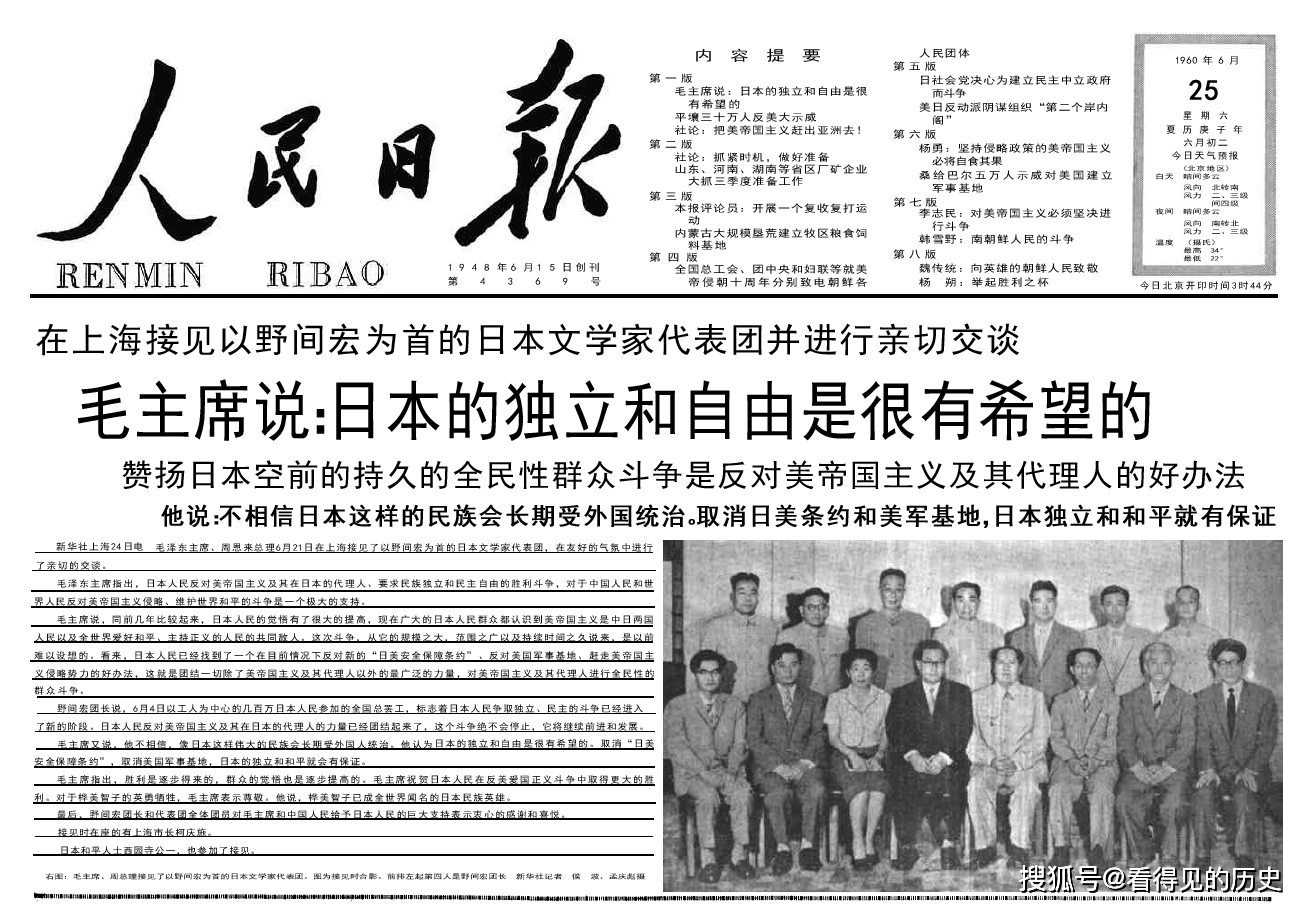
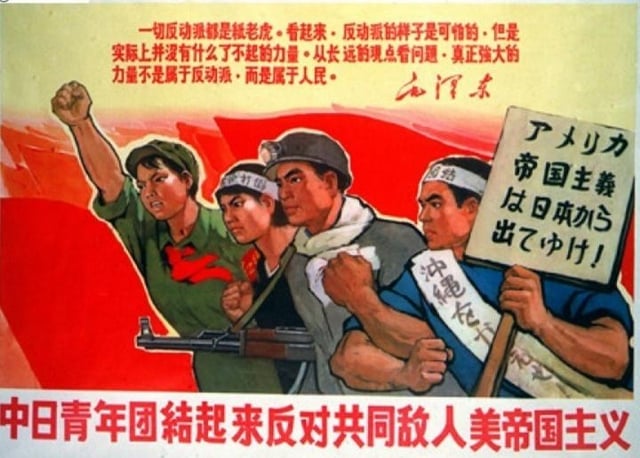
However, outside the Americas, in regions such as Europe and Africa, the U.S. adopted a non-interventionist stance, securing British, French, and German recognition of its monopoly over the Western Hemisphere. In Asia, America sought a share of the spoils, participating in attacks on the isolationist Qing Empire alongside Britain, France, Germany, and Japan. This forced China to open its doors under the Open Door Policy and ensured equal opportunities for foreign powers. Nonetheless, America still largely adhered to isolationism, with most politicians and citizens preferring to stay out of global conflicts and maintain their affluent, self-sufficient homeland.
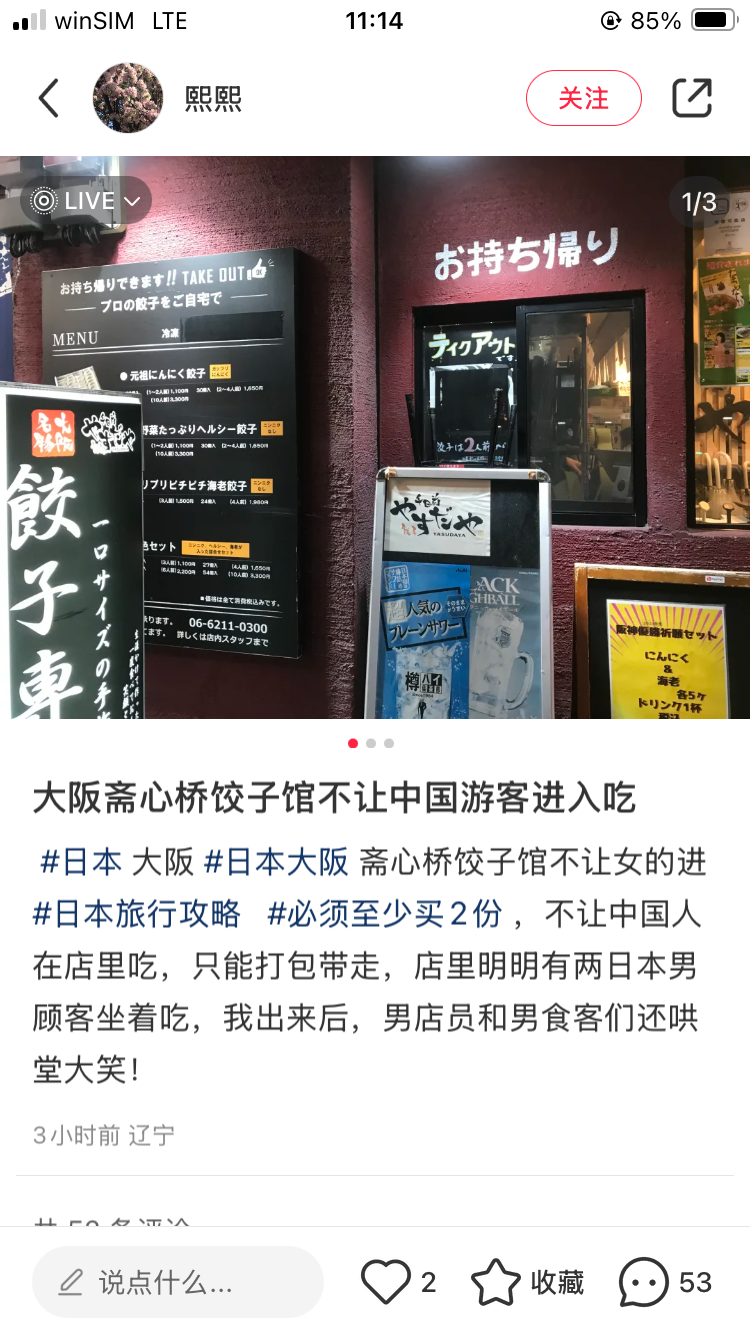
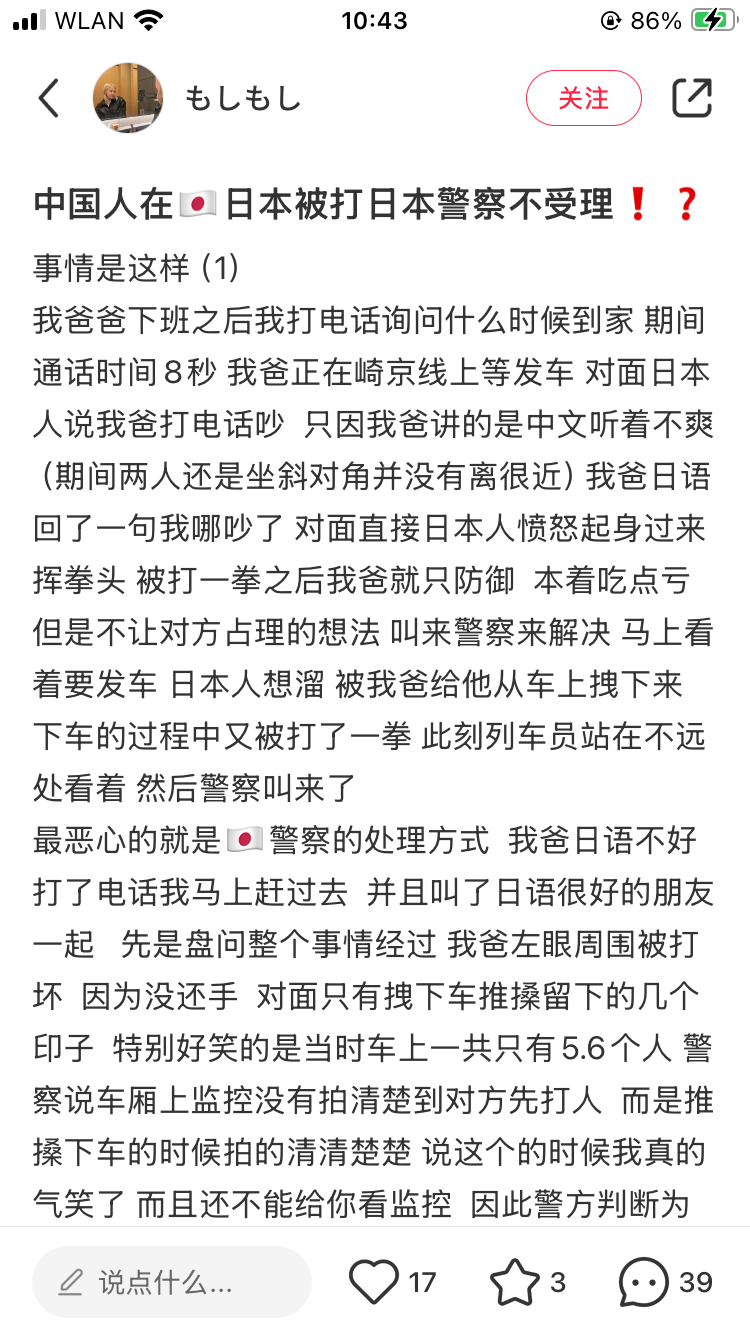
The shift from isolationism to interventionist imperialism began with the Spanish-American War and World War I. The U.S. occupied the Philippines, participated in World War I as a victorious power, and became one of the four dominant nations at the Paris Peace Conference. However, even in the interwar period and the early years of World War II, American public opinion largely favored isolationism. President Woodrow Wilson pushed for the creation of the League of Nations, but domestic opposition prevented the U.S. from joining. During the early years of World War II, despite ongoing conflicts in Europe and between China and Japan, the U.S. remained neutral, with significant domestic resistance to joining the war.

It was only after the attack on Pearl Harbor in 1941 that the U.S. fully engaged in World War II. The post-war period saw the U.S. and the Soviet Union emerge as the two global superpowers under the Yalta System, transforming America from a regional imperialist power into an interventionist global imperialist state. The immense benefits gained from participating in and winning both world wars strengthened American support for international engagement and global leadership. The Cold War and the perceived threat of communism further made isolationism untenable, solidifying America’s interventionist imperialism.

During the Cold War, American imperialism exhibited a dual nature. On one hand, it positioned itself as the beacon of the free world, using its economic and military strength to counter the Soviet-led Eastern Bloc, protecting capitalist economies, democratic institutions, and free societies in Western Europe, Japan, South Korea, and non-communist nations. On the other hand, it exploited the Cold War and anti-communism to interfere in global affairs, propping up pro-American regimes and proxy governments that served U.S. interests. American foreign aid generated far greater returns than its costs, making imperialism highly profitable.

Furthermore, the U.S. showed little hesitation in supporting war criminals, dictators, and authoritarian regimes when it suited its interests. Whether it was sheltering Japanese war criminals after World War II, backing military dictatorships in South Korea (e.g., Park Chung-hee and Chun Doo-hwan), supporting right-wing military governments in Latin America (e.g., Pinochet in Chile), propping up African dictators (e.g., Mobutu in the Congo), or appeasing human rights-abusing allies like Saudi Arabia and interventionist allies like Israel, the U.S. consistently prioritized pragmatism over democracy and human rights.

From the end of the Cold War until the early 2010s, as the uncontested global hegemon, the U.S.—especially under Clinton and Obama—had more leeway to promote democratic values. Its advocacy for “democracy” and “human rights” carried more sincerity than before. However, even during this period, U.S. foreign policy remained primarily interest-driven. The wars in Afghanistan and Iraq under Bush Jr. highlighted America’s continued imperialist nature and its reliance on military force to maintain global dominance.

Since Obama’s later years, with the rise of China and other emerging powers, the U.S. has increasingly focused on countering China and Russia. The once-sincere emphasis on human rights has once again been overshadowed by pragmatism. Trump’s first term revealed a more blatant prioritization of American interests in the Middle East, Asia-Pacific, and Latin America, with his administration openly embracing hegemony. Biden, while more focused on human rights, has largely continued Trump’s policies, preferring alliances with like-minded nations over unilateralism. The “universalist” aspect of American imperialism is fading, while its imperial nature becomes more pronounced.

In reality, the U.S. has never been the best model of political morality, social justice, or universal human rights. Compared to Norway and Sweden, it lags in social welfare and human rights. Compared to revolutionary France, it has done less to promote global equality and justice. Compared to the U.K., it has a weaker record on racial harmony. Compared to Germany, it has not confronted its historical injustices as thoroughly.

The perception of the U.S. as a beacon of freedom stems from its size, historical positioning on the relatively “right side” in key conflicts, and military-economic dominance—not from an inherent moral superiority. This empire, like all others, is a mix of noble ideals and dark realities.

Now, with Trump’s return in 2025, his actions indeed resemble 19th-century American imperialism, as Fukuyama warns. His aggressive territorial demands on Greenland, Panama, and Canada, his pressure on Mexico, and his support for right-wing regimes in Latin America mirror early American expansionism. Unlike past imperialists who used religion and “progress” as justification, Trump openly prioritizes raw power and self-interest.

If Trump follows through with his imperialist ambitions, the post-World War II international order will collapse, paving the way for greater aggression from other powers like Russia. Weak nations will become pawns and spoils of empire once more, plunging the world into a pre-WWI era of great power competition.

American imperialism is shifting toward its darker side, abandoning its former glory. This is painful to witness, yet it is the outcome of democratic choice, backed by American power, and thus difficult to resist or reverse.

评特朗普马斯克裁撤USAID:对官僚体系利弊权衡(以欧盟建制官僚体系、中共毛时代民粹政权为例)

近日,美国总统特朗普及亿万富豪马斯克,掀起一股撤废美国政府机构、解雇公务员、停止资助NGO的浪潮。其中对全世界进行人道援助和人权关怀的美国国际开发署(USAID)成为首当其冲裁减对象,由1万多人裁减到290人。同时美国也停止了许多对亚非拉国家的人道主义援助项目和人权议题的经费支出。

其理由是,许多美国政府机构及其资助的NGO腐败、浪费、低效,消耗大量纳税人的税款。马斯克强烈贬低这些机构和人员,还派出一些类似于“红卫兵”那样的年轻人负责查核机构、裁减公务员。

笔者并不赞同其行为。这些政府机构和NGO及其人员,确实存在一些腐败、浪费、低效,但贡献远大于损耗,整体还是利远大于弊的。如USAID就救助非洲饥荒、帮助东南亚妇女儿童健康、促进专制国家人权力量壮大,对于世界和平发展、人道人权贡献卓著。如任何体制和机构都有各种问题,不能因噎废食。

民众厌恶繁琐的官僚程序、反感打官腔的官员和公务员,认为官僚主义、形式主义不办事、吸食纳税人税款。所以他们也渴望特朗普这种民粹人物,打破旧制度。情感上其实可以理解。但去除官僚程序、解雇公务员,结果会对民众更糟。

笔者数年前写过一篇关于匈牙利及欧盟的文章,以欧盟为例,谈了官僚主义的利弊得失,摘录于此。

各国反欧盟的反建制民粹主义者,同样有些看似合理也应理解的动机。欧盟作为一个庞然大物,可谓世界上最大的官僚机构之一(规模和复杂程度只有中国和印度可比),的确有一定的官僚主义问题,其人员组成不尽公平合理(大国主导着各机构、精英掌握话语权)、其运作并不顺利、其决策和影响当然也是有利有弊。

    但即便如此,欧盟仍然是世界上最为成功的官僚机构之一,让欧洲各国尤其落后国家的经济社会水准得到了极大提高。至于那些缺点和问题,任何机构都免不了出现,但是不能因噎废食、“把孩子和水一起泼出去”。而反欧盟的民粹主义者,就像鲁迅《拿破仑与隋那》的文章批评的那样,只敏感于动荡和破坏乃至恭维强凶霸道的恶人,对默默建设和奉献者却忽视乃至指摘。

    有一个相关例子值得对比,即维基百科。我曾经参与过中文维基百科的编辑,但因为被政治立场和利益有冲突的管理员选择性执法、多次封禁,而退出维基百科。而维基百科也的确存在各种弊端,尤其中文维基百科管理员的滥权、欺压编辑者,乃至管理员存在内斗和各种勾兑。维基百科管理员和编辑者往往也代表各种价值观和利益群体,其编辑和管理显然并不公平,争议条目往往更是充满各种基于价值观和利益的编辑与删改。维基百科的规则尤其删除和封禁规则本身,也并不完全合情合理,甚至有许多不足和漏洞。但即便如此,维基百科仍然是了解各种基础知识、查阅资料、寻找线索的重要参考。

   而欧盟机构的组成、运作、监督,都远比维基百科这样的平台系统透明、优良、公正。欧盟在机构的成员组成上,充分考虑到了弱国小国的利益,也更重视对女性及其他弱势群体代表性和参与度的保障,在强调一体化同时也尊重多元(如欧盟格言即是“多元一体”)。欧盟最高决策机构欧洲议会,其议员皆有各国全民普选产生。欧盟的所有运作和决策,除极少数涉及重大机密外,都完全向外界公开,接受批评监督。而在效率方面,欧盟也并不差,这些年欧盟各国经济发展成果就是例证。而且,相对于其他绝大多数国家,欧盟官员和公务员都是非常清廉的,清廉程度与新加坡及西北欧发达国家基本在同一水平。这是非常难能可贵的,也证明官僚主义、集权、管制,未必就一定导致腐败。

    至于官僚主义本身,任何机构都会存在,那些批评官僚主义的民粹主义者上台也会如此。而且官僚主义的重要体现如复杂繁琐的程序,往往是必要的,没有相关程序和规则更会导致无序、混乱、随意性,乃至发生重大事故和悲剧。而由专业精英决策,也总是比“外行领导内行”要好,即便具体一些政策有问题,但基本原则和大的方向不会出错,也能维持体制和社会正常运转。至于精英相对冷漠和不接地气,其实并不是大问题,每个人都有自私一面,只要本职工作做好就好。

    而那些看似亲和的民粹主义者,上台后更加手段残酷,其无情无义没有虚伪遮掩更加露骨。多为“泥腿子”出身的毛泽东领导的中共势力,取代了代表资本主义精英的蒋介石国民党政权,然后让中国陷入数十年的灾难深渊,就是非常典型的前车之鉴。虽然中共也有一些高级知识分子,但是绝大多数中共干部包括建国后担任各地大员、中央部委领导的,都缺乏正规教育和专业知识。相比民国那些或高傲或死板或自利的欧美名校留学生、技术官僚,他们一开始的确看起来“接地气”,在掌权前和执政初期对百姓和蔼,作风民主、做事务实。

    但他们掌权后不到几年,其官僚作风、自私倾向、冷酷程度,大多数都远超国民政府的官员。更恶劣的是,在这些素质差劣的领导干部阶层带领下,中国发生了许多反智主义悲剧,鼓吹“大炼钢铁”和“亩产万斤”导致的经济崩溃和大饥荒,就是最突出的例证。作为民粹和反建制的领军者毛泽东自不必说,其他中共干部普遍也都如此。如1959-1962年期间那些“大名鼎鼎”的地方大员如曾希圣、李井泉、吴芝圃、舒同、张仲良等人,以及他们许多担任市县领导的下属,皆是农家出身,好像应该颇晓农事、体恤下情。可他们却直接造成了自己省份数十万至数百万人死亡的饥荒,即便不是第一责任人,也极大加剧了灾荒。如果是有良好学识的人,尤其有一定的通识知识和经济专业知识,即便面对政治压力,也不至于将经济尤其农业完全搞砸。

    民粹人物即便有一些亮点,其治国理政整体上都是非科学的,往往拒绝听从专业意见,也不会考虑全局与长远,发生各种悲剧几乎是必然。

    而不公正问题,没有任何人和制度能够做到一毫不差的完全公平,人与人之间也不可能完全平等,相对的和最大限度的公平、人与人相对的平等(法律意义上平等、贫富差距的缩小),就可以接受了。那些亲欧盟的精英人士,的确得到了不少利益,但基本和其贡献是匹配的。何况,体制并不是不可以修正和改变的,官僚和精英也不是终身不变的,以上问题都可以通过公众监督、媒体批评、制度改革、人员更新来解决或缓解。

    因此,欧洲各国人民包括反建制民粹主义者,应珍惜欧洲一体化的成果和现状,全面客观认识欧盟的作用,不要忽视默默无闻的建设和静悄悄的对秩序的维护。欧盟在欧洲乃至世界范围内维护和平与促进发展上的成就,远比反法西斯战争中美苏几百次大型战役的胜利还要耀眼,只不过因为前者是在阳光下,不似后者在暗夜闪光,就被忽视了。这是不应该的。

正如鲁迅《拿破仑与隋那》一文所说的:
“(一位医生)自解自叹道:要得称赞,最好是杀人,你把拿破仑和隋那去比比看……甚而至于自己的祖宗做了蒙古人的奴隶,我们却还恭维成吉思;从现在的卐字眼睛看来,黄人已经是劣种了,我们却还夸耀希特拉。因为他们三个,都是杀人不眨眼的大灾星。但我们有谁记得这(摆脱天花病的牛痘)发明者隋那的名字呢?

  杀人者在毁坏世界,救人者在修补它,而炮灰资格的诸公,却总在恭维杀人者。

  这看法倘不改变,我想,世界是还要毁坏,人们也还要吃苦的。”

而包括美国国际开发署(USAID)在内的美国政府机构和相关NGO的存废,也是同样的道理。腐败、低效、浪费、尸位素餐等问题,是需要整顿,包括解雇一些不称职的官员和职员,以及更加透明和接受监督,但不是以民粹方式彻底污名化、摧毁、废除机构,对其负责的人权人道问题放任不管的方式“解决问题”。这只会在美国及亚非拉各地造成更多更大的人道人权悲剧。

Evaluating Trump and Musk’s Cuts to USAID: Weighing the Pros and Cons of Bureaucratic Systems

(Using the EU’s Established Bureaucracy and Mao-Era Populist Regime as Examples)

Recently, U.S. President Donald Trump and billionaire Elon Musk have launched a wave of dismantling government agencies, firing civil servants, and cutting funding for NGOs. 

Among the first to be targeted is the United States Agency for International Development (USAID), which provides humanitarian aid and human rights support worldwide. The agency is set to be downsized from over 10,000 employees to just 290. At the same time, the United States also halted funding for many humanitarian aid programs and human rights initiatives in Asian, African, and Latin American countries.

The justification for these cuts is that many U.S. government agencies and the NGOs they fund are corrupt, wasteful, and inefficient, consuming large amounts of taxpayer money. Musk has strongly criticized these institutions and their personnel, even sending out young investigators—reminiscent of China’s “Red Guards”—to inspect agencies and lay off civil servants.

I do not support these actions. While these agencies, NGOs, and their personnel do have issues such as corruption, waste, and inefficiency, their contributions far outweigh their shortcomings. Overall, their benefits greatly surpass their drawbacks. 

USAID, for example, has played a crucial role in alleviating famine in Africa, improving the health of women and children in Southeast Asia, and strengthening human rights movements in authoritarian countries. These efforts have made significant contributions to global peace, development, and humanitarian progress. As with any system or institution, problems are inevitable, but they should not be a reason to dismantle the entire structure.

The public detests cumbersome bureaucratic procedures and dislikes officials and civil servants who speak in bureaucratic jargon. They believe that bureaucracy and formalism are ineffective and merely siphon off taxpayers’ money. This is why they are drawn to populist figures like Trump, who promise to break the old system. Emotionally, this sentiment is understandable. However, eliminating bureaucratic procedures and dismissing civil servants would ultimately have even worse consequences for the public.

A few years ago, I wrote an article on Hungary and the European Union (EU), using the EU as an example to discuss the pros and cons of bureaucratic systems. Here is an excerpt:

Opponents of the EU, particularly anti-establishment populists, do have some seemingly reasonable and understandable motives. The EU, as a massive institution—arguably one of the largest bureaucratic systems in the world, comparable in scale and complexity only to China and India—indeed faces some bureaucratic issues. Its composition is not entirely fair or reasonable (larger countries dominate institutions, and elites hold most of the decision-making power), and its operations are not always smooth. Naturally, its policies and influence have both positive and negative effects.

However, despite these flaws, the EU remains one of the most successful bureaucratic institutions in the world. It has significantly improved the economic and social standards of European nations, particularly less developed ones. While every institution has its shortcomings, they do not justify dismantling the entire system—one should not “throw the baby out with the bathwater.” Yet, anti-EU populists, much like the figures criticized in Lu Xun’s essay Napoleon and China’s Sui Dynasty, are only sensitive to disruption and destruction. They even flatter the strong and ruthless while ignoring or even attacking those who quietly work to build and sustain order.

A relevant comparison is Wikipedia. I once contributed to Chinese Wikipedia but eventually left due to selective enforcement by politically biased administrators, repeated bans, and internal power struggles. Indeed, Wikipedia has many issues, especially within its Chinese-language branch, where administrators abuse their authority, oppress editors, and engage in internal conflicts and collusion. Wikipedia’s editors and administrators represent different values and interest groups, meaning that its content moderation is often biased, and controversial topics are subject to frequent ideological and interest-driven edits. Wikipedia’s rules—especially regarding deletions and bans—are also flawed, with numerous loopholes and inconsistencies.

Yet, despite all these shortcomings, Wikipedia remains an essential resource for basic knowledge, reference materials, and research leads. The EU’s institutions, in terms of composition, operations, and oversight, are far more transparent, well-structured, and fair than platforms like Wikipedia. The EU considers the interests of smaller and weaker nations in its institutional framework and actively promotes the representation and participation of women and other marginalized groups. While emphasizing integration, it also respects diversity—its motto is United in Diversity.

The EU’s highest decision-making body, the European Parliament, consists of members elected by the citizens of each member state through universal suffrage. Apart from a few highly classified matters, all EU operations and decisions are fully transparent and open to external scrutiny and criticism. In terms of efficiency, the EU performs well, as evidenced by the economic growth of its member states over the years. Moreover, EU officials and civil servants are among the cleanest in the world, with levels of integrity comparable to those in Singapore and Northern Europe. This is a remarkable achievement, demonstrating that bureaucracy, centralization, and regulation do not necessarily lead to corruption.

Bureaucracy exists in every institution. Even populists who criticize bureaucracy will inevitably adopt bureaucratic structures once in power. Moreover, bureaucratic features such as complex procedures and formal regulations are often necessary. The absence of such rules leads to disorder, chaos, arbitrariness, and even major disasters. Decisions made by professional elites are generally more reliable than those made by unqualified leaders. While individual policies may be flawed, the overarching principles and long-term direction remain stable, ensuring the proper functioning of institutions and society. The relative detachment of elites from the general public is not a major problem—everyone has self-interest, but as long as they perform their duties competently, the system can still function effectively.

In contrast, populist leaders often turn out to be even more ruthless and cruel once they gain power. Their lack of pretense in masking their callousness makes them even more dangerous. Mao Zedong’s rise to power, replacing Chiang Kai-shek’s Nationalist government—which represented capitalist elites—only to plunge China into decades of disaster, is a prime historical example.

Although the Chinese Communist Party (CCP) had some highly educated intellectuals, most of its cadres—including those who later became senior government and ministry officials—lacked formal education and professional expertise. Compared to the Western-educated technocrats of the Republic of China, they initially appeared more “down-to-earth” and sympathetic to the common people. Before and shortly after coming to power, they exhibited democratic tendencies and pragmatic governance.

However, within just a few years, their bureaucratic tendencies, selfishness, and ruthlessness far exceeded those of Nationalist officials. Worse still, under their incompetent leadership, China experienced numerous anti-intellectual disasters. The Great Leap Forward’s campaigns to produce backyard steel and the exaggerated grain yield reports—both of which led to economic collapse and massive famines—are prime examples. Mao Zedong, as the figurehead of populist and anti-establishment movements, was the worst offender. But other CCP leaders followed the same pattern.

For instance, during the Great Chinese Famine (1959–1962), provincial leaders such as Zeng Xisheng, Li Jingquan, Wu Zhipu, Shu Tong, and Zhang Zhongliang, along with many local officials, were all from humble farming backgrounds. One might expect them to understand agricultural realities and empathize with the suffering of the people. Instead, they presided over policies that led to the deaths of hundreds of thousands to millions in their respective provinces. Even if they were not the primary culprits, their actions exacerbated the crisis. Had they possessed a solid education and basic economic knowledge, they might have resisted disastrous policies instead of blindly enforcing them.

Populist leaders, despite occasional successes, govern in an unscientific manner. They often reject expert advice and fail to consider long-term consequences, making disasters almost inevitable.

As for issues of fairness, no person or system can achieve absolute justice or complete equality. True fairness lies in relative equality—legal equality and reduced wealth disparities. Pro-EU elites have indeed gained certain benefits, but their contributions generally match their rewards. Moreover, institutions can be reformed and improved. Bureaucracies and elites are not immutable; they can be subjected to public scrutiny, media criticism, systemic reforms, and personnel changes.

Thus, the people of Europe—including anti-establishment populists—should cherish the achievements of European integration and objectively recognize the EU’s role. They should not overlook the silent contributions that sustain order and stability. The EU’s accomplishments in maintaining peace and fostering development in Europe and beyond are even more remarkable than the victories of World War II’s countless battles. The difference is that the EU’s success shines in the daylight, rather than flashing momentarily in the darkness of war. It should not be ignored.

The same logic applies to USAID and other U.S. government agencies and related NGOs. Issues like corruption, inefficiency, and waste must be addressed through reforms, firings of incompetent officials, increased transparency, and stronger oversight. However, completely dismantling these institutions in a populist manner—stigmatizing, destroying, and abandoning their human rights and humanitarian missions—will only lead to greater tragedies in the U.S. and across Africa, Asia, and Latin America.

通过 WordPress.com 设计一个这样的站点
从这里开始